Australia's transport safety regulator has initiated a formal investigation into three separate runway incidents at Sydney Airport that occurred over a fortnight, raising serious questions about operational safety at one of the country's busiest aviation hubs. The three near-misses, which included two occurring on the same day in early August, have triggered immediate scrutiny from both regulatory authorities and political leadership, with Prime Minister Anthony Albanese calling for a comprehensive examination of what allowed such critical errors to occur.
The most recent incident unfolded on the morning of August 9, when a Virgin Australia 737 that had already received clearance for take-off suddenly encountered an unexpected hazard on the runway. As the aircraft began its take-off roll, crew members spotted a Qantas plane crossing directly in front of them on the same runway. The Virgin Australia pilots executed an emergency stop procedure, bringing the large aircraft to a halt approximately one kilometre away from the other aircraft, which had itself been authorised to taxi across the runway by air traffic control. The scenario highlights a fundamental breakdown in the separation protocols that should prevent such simultaneous runway use.
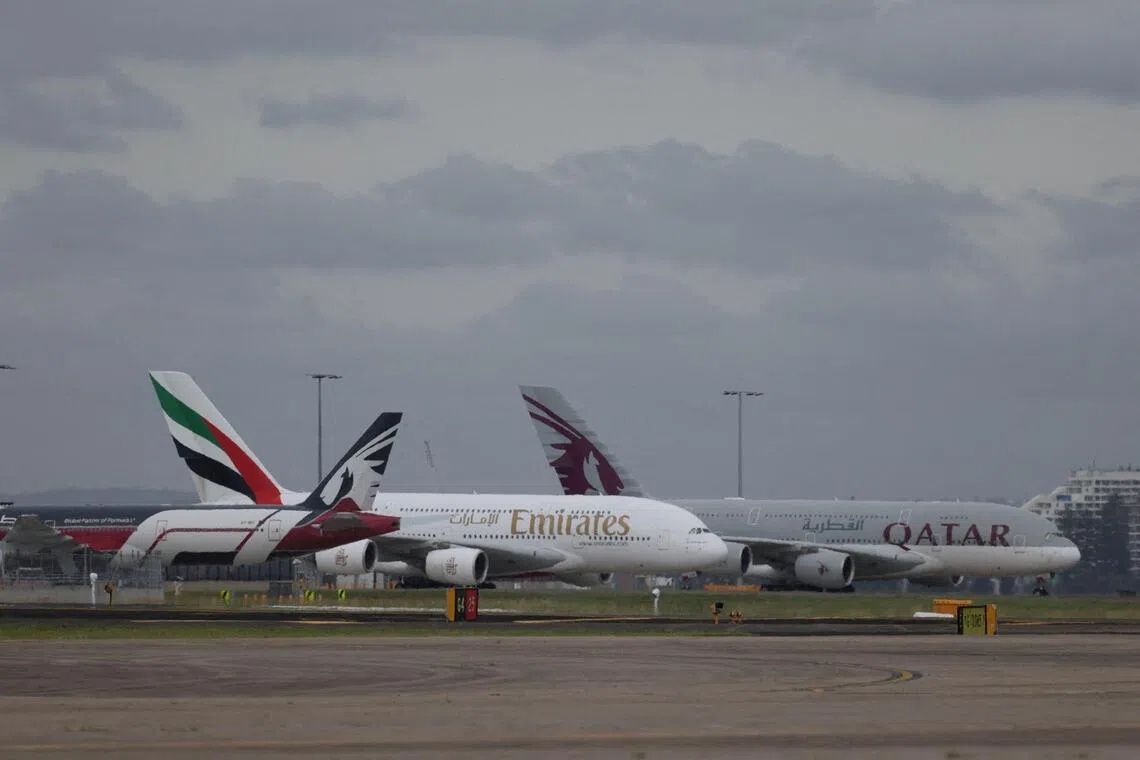
The same day proved particularly dangerous for air safety operations, as an earlier incident nearly resulted in catastrophe when a Jetstar pilot was compelled to apply emergency braking to avoid a collision with a Qatar Airways aircraft. The rapid-fire succession of these incidents underscores systemic vulnerabilities rather than isolated human error. A third serious near-miss had occurred just two weeks earlier on July 27, when two Qantas aircraft were simultaneously cleared for take-off and nearly collided, demonstrating that the August incidents were not anomalous occurrences but rather symptomatic of wider procedural weaknesses.
Angus Mitchell, Chief Commissioner of Australia's Transport Safety Bureau, addressed the seriousness of the findings during a statement on August 14, emphasising the regulator's commitment to examining not merely the immediate circumstances but the underlying organisational and systemic factors. Mitchell noted that investigators would meticulously review multiple variables including air traffic volume, staffing levels in the control tower during each incident, and the training and experience profiles of personnel on duty. His remarks suggested that the investigation would extend beyond assigning blame to individual controllers and would instead examine how procedural, resource, and training deficiencies had compounded to create dangerous conditions.
Additional scrutiny has emerged regarding the timeline of incident reporting, with questions raised about why authorities took considerable time to publicly disclose and investigate these occurrences. Mitchell disclosed that a supervisory training exercise was underway at Sydney Airport on August 9, potentially providing context for the control tower environment at the time of the near-misses. This revelation raises further questions about whether training activities and operational safety protocols were adequately segregated, or whether overlapping supervisory and training functions may have contributed to the breakdowns in communication and procedure adherence.
Mitchell acknowledged that Australia's aviation sector is currently experiencing a significant expansion period characterised by accelerated recruitment, intensive training programmes, and rapid qualification of new air traffic controllers. This staffing transition, while necessary to meet growing demand and replace retiring personnel, creates inherent vulnerabilities as less experienced controllers integrate into high-stress operational environments. The regulator's emphasis on this recruitment phase suggests that the incidents may reflect broader capacity pressures within Australia's air traffic management system rather than fundamental flaws in established procedures.
For Malaysian and Southeast Asian readers, these incidents carry particular relevance given the region's rapidly expanding aviation sector and shared reliance on increasingly congested airspace. Australia's experience highlights the critical importance of maintaining rigorous safety standards during periods of infrastructure expansion and workforce growth, challenges that developing regional aviation markets also face. The incidents demonstrate that near-miss prevention systems, while effective, require constant vigilance and cannot substitute for robust primary separation procedures.
The investigation's findings will likely influence not only Australian aviation policy but potentially regional safety standards across Southeast Asia, where many nations operate similar control systems and face comparable staffing pressures. The focus on systemic rather than purely individual factors suggests that future recommendations may address training integration, supervisor-to-controller ratios, and procedural redundancies in runway management protocols. These safety measures have direct implications for Malaysian airports including Kuala Lumpur International Airport, which similarly manages substantial international traffic and undergoes periodic capacity expansion.
The Prime Minister's involvement signals the political significance these incidents have assumed in public discourse, reflecting community concerns about aviation safety during a period when passenger numbers continue recovering toward pre-pandemic levels. Mitchell's commitment to comprehensive examination addresses public expectations that such dangerous proximity should trigger not merely corrective action but fundamental reassessment of control tower operations. The investigation's scope and conclusions will shape air traffic management practices throughout Australia and potentially influence regulatory thinking across the Asia-Pacific region, where safety standards are increasingly harmonised through international frameworks and peer-learning mechanisms.

