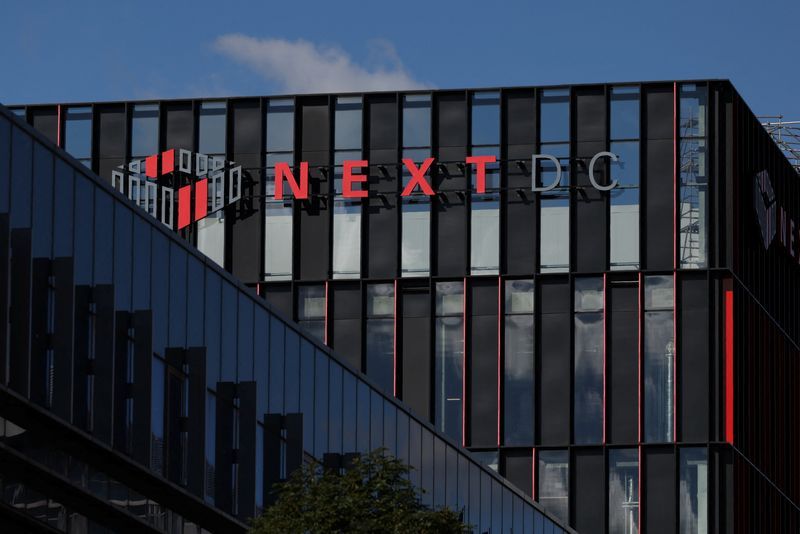
Australia's largest data centre operator, NextDC, is grappling with a mounting sustainability challenge as soaring demand for computing infrastructure drives up consumption of two of the country's most precious resources—water and electricity. The company's latest financial results, released late Thursday, reveal that both water usage effectiveness and power usage effectiveness metrics worsened in the year to June, signalling that the explosive growth in artificial intelligence and cloud computing services comes at an increasingly steep environmental cost.
The deterioration in efficiency is becoming harder to ignore. NextDC's water usage effectiveness ratio climbed to 2.40 litres per kilowatt-hour from 2.25 in the previous year, whilst its power usage effectiveness ratio rose to 1.49 from 1.44. What makes this trend particularly concerning for policymakers and environmental advocates is that these metrics have been moving in the wrong direction for three years running, suggesting that efficiency gains are not keeping pace with capacity expansion across the company's portfolio.
The company attributed the rising consumption partly to newly built facilities that are running their cooling infrastructure before server deployment reaches full capacity, creating temporary inefficiencies. Additionally, NextDC undertook substantial reconciliation work on its water data during the year, uncovering previously unaccounted-for losses including isolated leaks and discrepancies between its own measurement records and utility company readings. The company acknowledged that this validation exercise, whilst explaining some of the deterioration, also highlights gaps in operational oversight that existed prior to this audit.
These efficiency metrics have become a focal point for political debate and regulatory scrutiny far beyond Australia's borders. Governments, city administrators, and environmental bodies worldwide are increasingly scrutinising the resource demands of data centre expansion, recognising that artificial intelligence advancement comes with tangible costs to communities. The visibility of these ratios means that NextDC's performance figures will likely feature in broader policy conversations about whether and where data centre development should be permitted.
The regulatory environment is shifting rapidly across multiple jurisdictions. Canberra is currently developing mandatory, nationally consistent standards that would govern how data centres manage their energy consumption, water usage, and location decisions. In a particularly significant regulatory move, Australian policymakers recently proposed that new data centres should be required to construct or secure new renewable energy sources rather than drawing power from existing electrical grids, fundamentally changing the industry's growth model.
These policy developments reflect growing political pressure from communities affected by data centre expansion. A expanding roster of governments, municipal authorities, and regulators globally are implementing freezes on new data centre construction, tightening restrictions on their development, or introducing outright bans. The drivers behind these measures encompass concerns about escalating electricity costs for consumers, depletion of water resources in drought-prone regions, consumption of valuable land that could serve other purposes, and broader disruption to local communities.
Yet NextDC's financial performance demonstrates why the industry's growth momentum remains difficult to arrest. The company reported revenue growth of 16 per cent and swung into profitability with an accounting gain of A$82.1 million (approximately US$59.14 million) for the year ending June, compared with a A$60.5 million loss in the prior year. The turnaround benefited from a change in accounting treatment that recognised an increase in its property values. More importantly, underlying EBITDA—the measure that excludes non-recurring items—expanded 15 per cent to A$248.8 million, surpassing the average forecasts compiled by analyst consensus platforms.
The market's response was positive, with NextDC shares advancing 3.3 per cent by mid-session on Friday, reflecting investor confidence in the company's trajectory despite the environmental headwinds. This dynamic encapsulates the central tension driving data centre policy debates: strong commercial growth and profit expansion sit uncomfortably alongside deteriorating environmental metrics, creating pressure on governments to balance economic benefits against resource sustainability.
NextDC operates in a competitive landscape that includes major rivals such as Blackstone-backed AirTrunk and Infratil-owned CDC, both of which are similarly expanding capacity to meet artificial intelligence and cloud computing demand. As these operators race to provision computing infrastructure across the Asia-Pacific region, including potential expansion into Southeast Asia, questions about resource efficiency and environmental limits will likely intensify. The company's disclosure of worsening efficiency metrics comes at a moment when Australian regulators and neighbouring governments are actively reconsidering how to manage the data centre sector's growth.
For Malaysia and other Southeast Asian nations watching these developments, NextDC's experience offers important lessons. Many countries in the region are being courted by international data centre operators seeking to establish facilities, attracted by lower costs and geographic proximity to growing Asian markets. However, Australia's regulatory response and the emerging tensions between profit growth and resource efficiency suggest that Southeast Asian governments should carefully evaluate the long-term infrastructure and environmental implications before welcoming rapid data centre expansion. The experience of NextDC indicates that efficiency improvements do not automatically follow capacity growth, potentially creating stranded assets or communities burdened by resource constraints.

