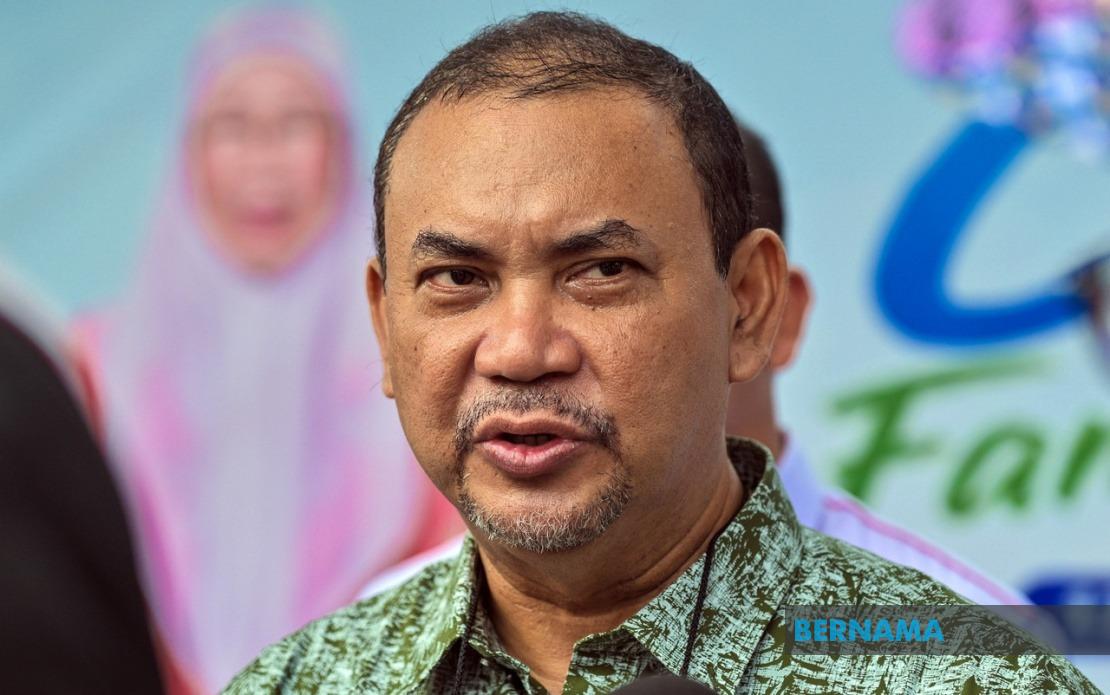
Datuk Azman Abidin, who recently assumed the role of Ampang Parliamentary Constituency Coordinator and Prime Minister's Political Secretary, has made public his commitment to overhaul the delivery mechanisms of welfare assistance within the constituency. The appointment, made by Prime Minister Datuk Seri Anwar Ibrahim, marks a strategic push to improve how government support reaches residents in the urban Kuala Lumpur electorate. Azman's pledge signals recognition that despite existing welfare programmes, gaps remain in the coordination and efficiency of their implementation at the grassroots level.
The coordinator outlined an integrated approach that leverages multiple institutional channels to ensure assistance flows smoothly to those in need. Central to this strategy is the coordination with the Implementation Coordination Unit (ICU) of the Prime Minister's Department (JPM), which serves as a critical nexus between political leadership and administrative machinery. By formalising this link, Azman seeks to eliminate the bureaucratic fragmentation that often characterises welfare delivery, where residents may struggle to navigate multiple agencies or find their applications delayed due to poor inter-agency communication.
A key practical measure introduced is the direct submission pathway for welfare applications. Residents of Ampang can now channel requests through the Office of the Prime Minister's Political Secretary, which will facilitate the necessary coordination with relevant government bodies. This centralised entry point aims to simplify the process for constituents, reducing the friction commonly experienced when seeking government assistance. The move reflects contemporary governance trends emphasising accessibility and citizen-centric service design, particularly important in urban constituencies where populations are large and diverse.
Azman has explicitly committed to working alongside state assemblymen representing areas within the Ampang parliamentary constituency, recognising that effective welfare delivery requires vertical coordination across federal and state levels of government. This collaborative framework extends to community leaders and other stakeholders, acknowledging that local civic organisations often possess ground-level intelligence about which residents require support. The inclusion of these actors in the coordination structure demonstrates an understanding that governmental structures alone cannot adequately identify vulnerability without community input.
The emphasis on structural efficiency and professionalism reflects broader concerns within Malaysia's administrative apparatus about service delivery standards. For Ampang residents, particularly those in lower-income groups, clearer channels and faster processing times directly translate to tangible improvements in their access to healthcare subsidies, education assistance, housing support, and other welfare benefits. The constituency, comprising both urban core areas and suburban extensions, encompasses significant economic diversity, making responsive welfare coordination particularly crucial.
From a political perspective, Azman's appointment and public commitment serve multiple functions. The formalisation of a dedicated coordinator role signals Prime Minister Anwar Ibrahim's attention to constituency-level governance and his administration's intention to tighten links between federal resources and local needs. For the Prime Minister's office, centralising welfare applications through the Political Secretary's office provides valuable data on constituent demands and concerns, informing future policy adjustments. This intelligence-gathering dimension, while serving administrative purposes, also enables politically responsive governance.
The commitment to accountability and integrity carries particular weight given ongoing national discourse about governance standards. Azman's explicit reference to these principles suggests awareness that welfare delivery systems are vulnerable to patronage and misallocation if not properly supervised. Transparency in how assistance is distributed and accountability for outcomes become especially important in constituencies with politically mixed demographics, where perceptions of unfair or biased resource allocation can quickly erode public confidence.
For Southeast Asian observers, Malaysia's approach to welfare coordination offers instructive lessons. Urban centres across the region face similar challenges in delivering social protection efficiently, with large populations, multiple administrative layers, and diverse needs creating coordination challenges. Ampang's experience, should the new system succeed, could inform approaches elsewhere in the region. The emphasis on integrating federal machinery, local representation, and community organisations reflects a pragmatic understanding that modern welfare delivery requires institutional sophistication beyond traditional departmental structures.
The timing of this initiative coincides with broader economic pressures affecting Malaysian households, including inflation and cost-of-living challenges. Enhanced welfare delivery mechanisms become increasingly important when household incomes face strain and vulnerable populations expand. Ampang, as a constituency encompassing both relatively affluent and lower-income areas, faces particular demand for targeted assistance. A more efficient system promises to direct limited resources where they generate greatest impact, addressing poverty more effectively than ad-hoc or poorly coordinated approaches.
Azman's team will face practical tests in implementing this vision. Workflow integration across agencies, training of staff handling applications, and actual reduction in processing times represent measurable indicators of success. The political credibility of the new coordinator role depends substantially on whether residents experience genuine improvement in service access rather than merely encountering rebranded bureaucracy. Early implementation will be closely watched by other constituency coordinators and federal agencies exploring similar reforms.

