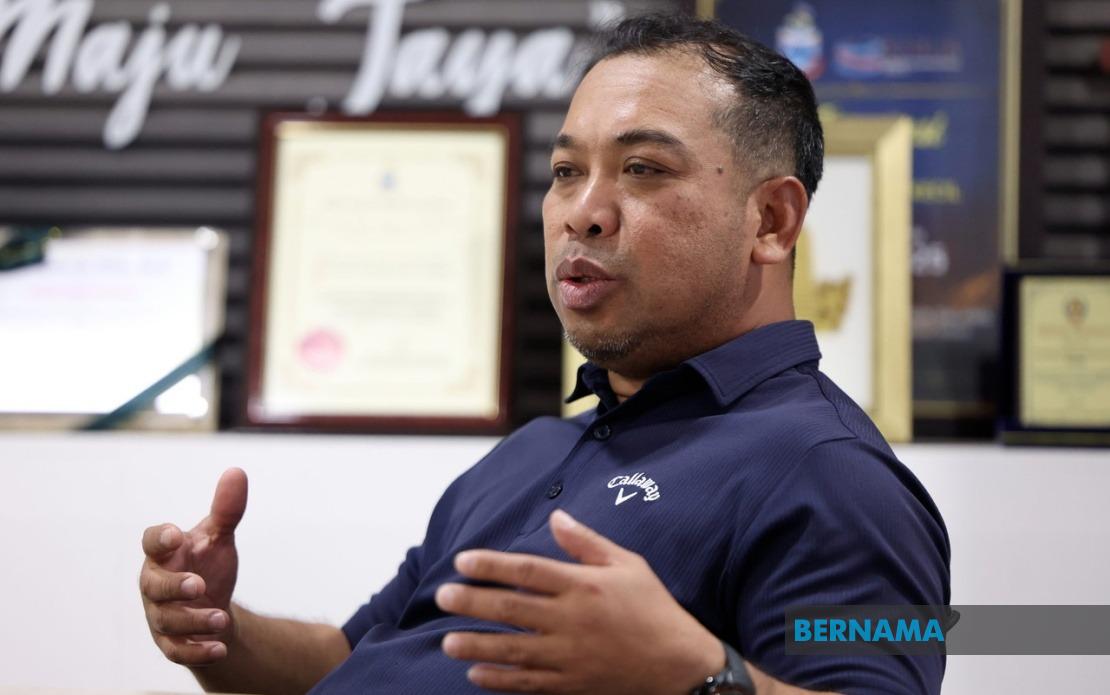
Datuk Mohamad Mohamarin, the Member of Parliament for Banggi, has called on the federal government to give serious consideration to a major infrastructure initiative on Pulau Banggi. The proposal centres on constructing a paved or concrete thoroughfare spanning approximately 37 kilometres from Kampung Meliu to Kampung Dogoton, with a projected budget exceeding RM300 million. The representative presented this request to Prime Minister Datuk Seri Anwar Ibrahim during a visit to the island on May 9, framing it as a structured development plan that would unfold across three implementation phases.
The urgency of this project becomes apparent when examining the current state of road infrastructure on Pulau Banggi. Despite possessing roughly 81 kilometres of main roads, the island's connectivity remains severely compromised. Only 14 kilometres of this network has been paved, and even this limited paved stretch is deteriorating rapidly. The deterioration has created serious safety concerns, with the damaged roadway having become the site of multiple fatal accidents. This disparity between total road length and usable infrastructure underscores a fundamental gap between basic road coverage and actual transportation utility for the island's residents.
Raising these issues during the Sabah State Legislative Assembly's debate on the Supplementary Supply Bill 2026, Mohamad pressed the state's Works Ministry for clarity on whether the rehabilitation of the existing 14-kilometre paved section featured in current budget allocations or implementation schedules. The distinction matters significantly for residents, as addressing the immediate safety hazards on existing roads could provide quicker relief than waiting for a multi-phase major construction project. The accumulation of potholes and the history of serious accidents have transformed what should be a basic transport route into a hazardous stretch requiring urgent attention.
The challenges facing Pulau Banggi's infrastructure extend beyond what the headline figure suggests. The 81-kilometre road network assessment excludes separate islands within the same constituency, including Pulau Balambangan, Tanjung Manawali, Pulau Sibogo, and Pulau Tigabu. This broader geographic scope reveals that road connectivity deficits are not limited to the main island but represent a systemic infrastructure challenge across the entire Banggi parliamentary area. The fragmented island geography makes comprehensive connectivity even more challenging to achieve.
Despite receiving visits from Chief Minister Datuk Seri Hajiji Noor and Prime Minister Anwar Ibrahim, during which various development initiatives were announced, the constituency continues grappling with longstanding infrastructure shortcomings. The pattern of political visits followed by modest progress suggests a recurring mismatch between rhetorical commitments and resource allocation. Mohamad's parliamentary intervention indicates frustration with this cycle and a determination to translate political attention into concrete investment.
Beyond road connectivity, the MP is advocating for diversified infrastructure development on the island. He has proposed the federal and state governments explore establishing a wind energy facility with generating capacity between 15 and 50 megawatts. Such a renewable energy project could address another critical island constraint—reliable electricity supply—while simultaneously catalysing broader economic development. Islands like Pulau Banggi often face disproportionately high electricity costs due to reliance on diesel generation or limited grid connectivity, making renewable energy solutions particularly attractive for improving both operational efficiency and business competitiveness.
The proposed wind energy project represents sophisticated thinking about infrastructure needs beyond immediate transport concerns. Improving electrical supply and reducing energy costs could attract investment in downstream industries, support tourism development, and improve quality of life for residents. The synergy between road infrastructure improvements and energy reliability projects would create multiplier effects, making the island more accessible and economically viable simultaneously.
For Malaysian policymakers, the Banggi case illustrates persistent regional development challenges in East Malaysia. Sabah's island communities often rank among the nation's most underserved areas, suffering compounded disadvantages from geographic isolation, small population bases, and limited economic scale. Federal development frameworks frequently prioritise larger urban centres or heavily populated regions where infrastructure investments yield faster returns and benefit larger constituencies.
The RM300 million price tag for the Banggi road project, while substantial, appears proportionate to the scale of development required. Spread across three phases and benefiting the constituency's dispersed population, the per-capita investment cost reflects realistic requirements for island infrastructure rather than inflated claims. Similar projects elsewhere in Southeast Asia confirm that comprehensive road networks on remote islands typically command comparable outlays when accounting for geographical challenges and construction logistics.
Implementing the three-phase road project would fundamentally reshape Pulau Banggi's development trajectory. Improved connectivity traditionally enables agricultural productivity gains, facilitates tourist access, and improves government service delivery across health, education, and administrative functions. The 37-kilometre paved corridor would create a backbone network allowing secondary road branches to connect more efficiently to commercial and residential hubs. This network effect amplifies the strategic value of the primary investment.
The parliamentary intervention by Datuk Mohamad Mohamarin serves multiple purposes beyond securing funding approval. By raising these issues during budget debates and specifically requesting ministry responses, he creates documentary evidence of infrastructure needs and accountability mechanisms. Future budget cycles and development plans will be measured against these stated priorities, making it politically and administratively more difficult to ignore the Banggi constituency without explicit justification.
For Malaysian readers following East Malaysian development, the Banggi road proposal encapsulates broader questions about equitable regional development and infrastructure prioritisation. Whether the federal government commits substantial funding to this project will signal the government's genuine commitment to reducing development disparities between Peninsular Malaysia and Sabah-Sarawak. The visibility and viability of such remote island projects often depend on sustained political pressure and clear articulation of development linkages, as Mohamad has now demonstrated through his legislative efforts.

