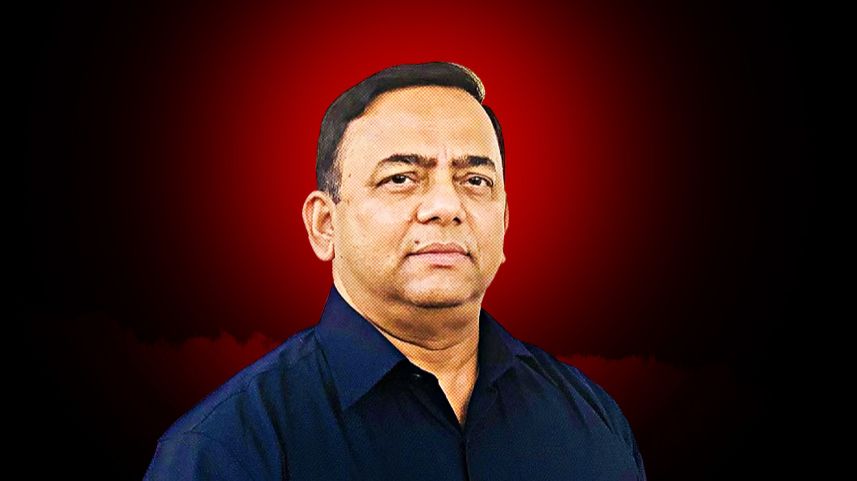
Bangladesh's government is moving to overturn the conditional bail granted to former police chief Benazir Ahmed in the United Arab Emirates, citing suspicions that he may hold passports from multiple countries. Home Minister Salahuddin Ahmed made the disclosure during a press briefing at Bangladesh Secretariat, revealing that the administration has already engaged its legal representatives in the UAE to mount a challenge against the controversial bail decision.
The bail granted to Benazir Ahmed in the Emirates represents a significant setback for Bangladesh's extradition efforts against one of its most wanted fugitives. The former inspector general of police, who previously held one of the country's most sensitive law enforcement positions, fled the country amid corruption and human rights allegations. Benazir's flight and subsequent protection abroad has become a symbol of the challenges Bangladesh faces in pursuing high-ranking officials accused of abusing state authority, particularly those with access to resources and international networks that enable them to evade justice.
Salahuddin Ahmad indicated that the apparent existence of multiple passports under Benazir's name could explain how he managed to secure freedom in the UAE despite Bangladesh's formal objections to the bail hearing. "We have instructed our law firm to file a petition seeking cancellation of his bail because we suspect he may have passports from other countries as well," the minister explained to assembled journalists. The suggestion of multiple travel documents implies sophisticated preparation for flight and raises questions about assistance Benazir may have received in establishing different identities across jurisdictions.
The Bangladesh government has taken several coordinated steps to address the bail outcome, demonstrating institutional coordination across multiple channels. The Home Ministry has contacted its designated law firm representing national interests in the UAE, while simultaneously the home secretary has engaged directly with the Emirati ambassador to Bangladesh. This diplomatic parallel track reflects recognition that legal and political pressure operating simultaneously may prove more effective than either avenue alone. However, the minister acknowledged the government's limited immediate knowledge of the bail conditions imposed by the UAE court, hampering efforts to formulate a comprehensive response.
Obtaining certified copies of the bail order from the UAE judicial system presents an immediate obstacle. Salahuddin noted that Bangladesh remains in the process of securing authenticated documentation of the judicial decision, a preliminary step necessary before mounting substantive legal challenges. This administrative delay underscores the friction that can emerge when pursuing legal remedies across borders with different procedural requirements and institutional practices. The minister indicated that legal teams are simultaneously preparing extradition-related documents for submission to the UAE court, attempting to establish grounds for reconsidering the bail determination.
The question of why the UAE court granted bail despite Bangladesh's representations remains unresolved. When pressed on this matter, Salahuddin declined to speculate about judicial reasoning without examining the full order, a cautious stance that reflects diplomatic sensitivity around criticising another nation's court decisions. The restraint suggests awareness that public criticism of UAE judicial decisions could complicate future cooperation on enforcement matters. Nonetheless, the bail grant itself represents a notable divergence from what Bangladesh had presumably sought during extradition proceedings.
Benazir Ahmed's case reflects broader governance challenges in South Asia around accountability for senior officials. High-ranking police and military figures who accumulate power often simultaneously accumulate resources and international connections that facilitate escape when they face investigation. The accusation of holding multiple passports suggests planning that extended beyond immediate flight, instead contemplating long-term relocation and maintenance of alternative identities. Such sophistication typically requires support from networks extending beyond the individual's personal resources.
The Bangladesh government's multi-pronged response—combining legal action, diplomatic engagement, and document preparation—demonstrates institutional learning about transnational accountability. However, the delay in obtaining court documents and uncertainty about bail conditions reveal the asymmetric information challenges that plague cross-border enforcement. Bangladesh operates from a position of disadvantage, attempting to influence outcomes in another country's legal system without complete visibility into decision-making processes or the specific factual findings that guided judicial determination.
Beyond the Benazir Ahmed matter, Salahuddin addressed unrelated security incidents involving discovery of bomb-like objects in Kamalapur and Ashulia. The minister characterised the discoveries as isolated incidents reflecting efforts by unspecified "vested quarters" to foment communal disorder, while commending law enforcement agencies and bomb disposal units for their response. He urged the public against disproportionate concern, framing the incidents as contained rather than systemic threats. Authorities maintained they were conducting ongoing investigations while monitoring the situation, suggesting vigilance without indicating imminent major security developments.

