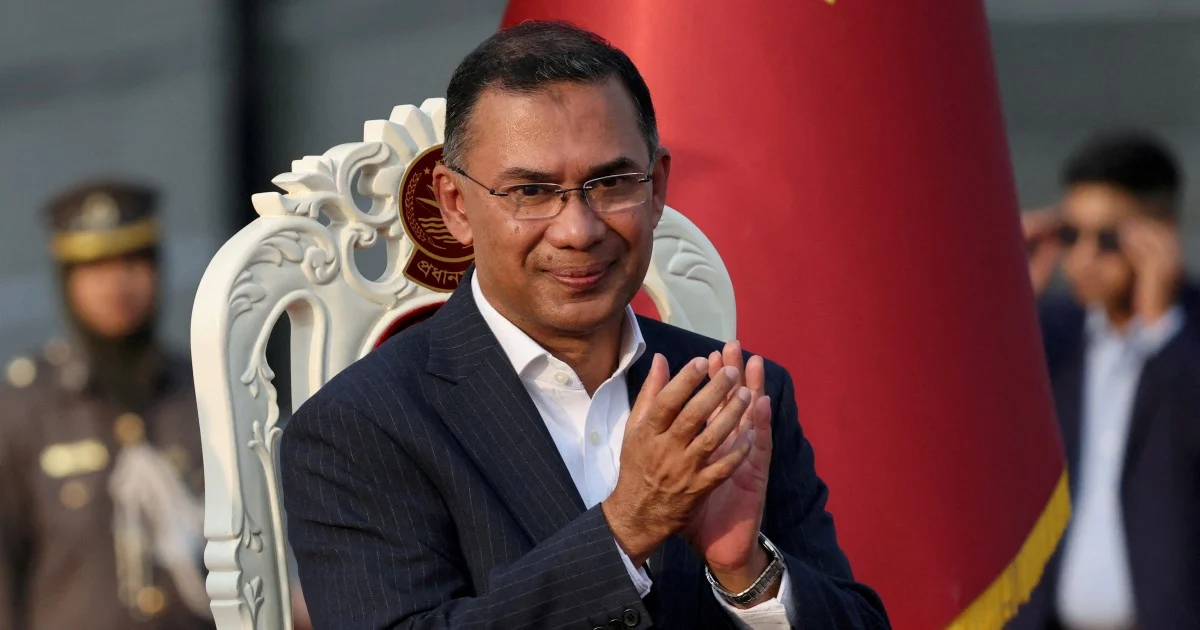
Bangladesh Prime Minister Tarique Rahman touched down in Malaysia today, marking the beginning of a significant diplomatic engagement that reflects the growing importance both nations place on their relationship. The visit, which commenced with the PM's arrival at Sepang, represents a carefully timed opportunity to elevate interactions between Dhaka and Kuala Lumpur at a moment when regional dynamics in South and Southeast Asia are shifting meaningfully.
The timing of Rahman's visit carries particular significance for the broader geopolitical landscape of the region. Bangladesh, as South Asia's gateway to Southeast Asia, has been seeking to deepen its footprint in ASEAN and associated regional forums. Malaysia, positioned as a leading voice within ASEAN and maintaining substantial economic and cultural ties throughout South Asia, stands as an ideal partner for Bangladesh to strengthen its regional position. This visit provides both capitals with an opportunity to operationalize existing frameworks and chart new avenues for cooperation that benefit citizens on both sides.
Trade and investment form the cornerstone of what both governments expect to emerge from this engagement. Bangladesh has developed into a significant manufacturing hub, particularly in ready-made garments, pharmaceuticals, and light engineering sectors. Malaysian investors and businesses have established footholds in these industries, while Bangladeshi enterprises seek greater access to Malaysian markets and investment capital. The visit offers a platform to discuss trade agreements, investment promotion initiatives, and commercial partnerships that could unlock mutual economic gains. Beyond traditional commerce, both nations recognize opportunities in emerging sectors such as renewable energy, digital economy services, and infrastructure development.
Connectivity and transportation infrastructure represent another critical dimension of the bilateral agenda. Malaysia's experience in developing port infrastructure, industrial corridors, and logistics networks holds valuable lessons for Bangladesh as it pursues its own development ambitions. Discussions during this visit are likely to encompass rail links, maritime routes, and air connectivity that would facilitate movement of goods and people between the two nations. Enhanced connectivity would position Bangladesh more favorably as a transit point for regional trade flowing between South Asia and Southeast Asia.
Cultural and people-to-people exchanges have historically formed the foundation of Malaysia-Bangladesh relations, and this visit is expected to reinforce those bonds. The sizeable Bangladeshi community in Malaysia, estimated in the hundreds of thousands, creates natural constituencies for deepening ties. Educational collaborations, tourism promotion, and cultural events serve as soft power instruments that both governments leverage to build public support for official policies. Universities in both countries have opportunities to expand student exchange programmes and joint research initiatives, fostering the next generation of bilateral partnerships.
Regional security cooperation represents an area where Malaysia and Bangladesh increasingly find common ground. Both nations face transnational challenges including human trafficking, drug smuggling, maritime piracy, and terrorism. Intelligence sharing, law enforcement collaboration, and joint capacity-building exercises can address these shared threats more effectively than unilateral approaches. The visit provides occasions for bilateral security agencies to deepen coordination mechanisms and explore additional areas where coordinated responses would prove beneficial.
Bangladesh's strategic position along major sea lanes and its role as a bridge between South Asia and ASEAN make it an increasingly important player in regional affairs. Malaysia, as a significant economic and political power within ASEAN, recognizes the value of strengthening relations with its southwestern neighbor. This visit signals mutual recognition of these strategic realities and a commitment to translating that recognition into concrete cooperation frameworks.
The visit also occurs within the context of broader Malaysian diplomatic outreach in South Asia. As ASEAN seeks to strengthen ties with major Asian powers, member states including Malaysia are independently cultivating relationships with South Asian nations. Bangladesh, given its economic dynamism and geopolitical significance, features prominently in these calculations. Rahman's visit presents an opportunity for Malaysia to demonstrate its commitment to balanced regional engagement that spans both Southeast and South Asia.
Expected outcomes from the visit likely include joint statements reaffirming shared values and cooperation commitments, potentially new bilateral agreements in priority sectors, and announcements regarding high-level dialogue mechanisms. Both nations may announce initiatives on specific issues such as labour mobility, technical cooperation, or sectoral partnerships that address identified needs. The visit serves as a checkpoint for evaluating previous commitments and recalibrating future cooperation pathways based on changing circumstances and emerging opportunities.
For Malaysian observers, this visit underscores the importance of active regional diplomacy and the dividends that accrue from maintaining robust relationships across traditional geographic boundaries. As regional competition intensifies and global powers compete for influence, countries like Malaysia benefit from cultivating partnerships with emerging economies like Bangladesh that offer complementary strengths and shared interests. The visit, though focused on bilateral matters, contributes to the broader regional architecture that Southeast Asia is continuously constructing and refining.

