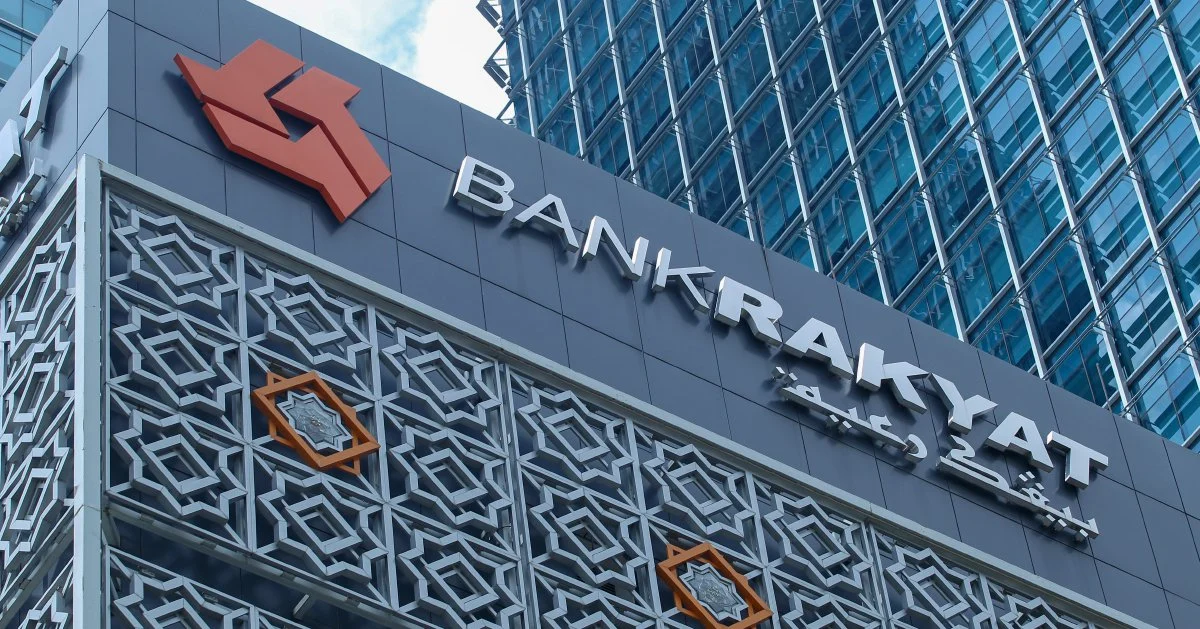
Bank Rakyat has mobilised RM300 million through a fresh sukuk issuance, drawing from its RM5 billion subordinated sukuk Murabahah programme as it moves to reinforce its capital base for anticipated growth initiatives. The financial institution, which serves a significant portion of Malaysia's underbanked population, is leveraging the country's deep Islamic bond markets to secure funds in a manner consistent with Shariah principles.
The use of a subordinated sukuk structure signals the bank's confidence in its medium-term financial trajectory. Subordinated instruments sit lower in the pecking order of repayment during insolvency, which means investors accept additional risk in exchange for potentially higher yields. For Bank Rakyat, this approach proves cost-effective compared to raising primary capital, while simultaneously preserving the bank's equity base for strategic deployment in business expansion and operational improvements.
Sukuk, often described as Islamic bonds, have become a cornerstone of Malaysia's domestic capital markets. Unlike conventional bonds that generate returns through interest payments prohibited under Islamic law, sukuk structures embed returns into asset-linked arrangements where investors hold beneficial ownership stakes in underlying assets or receivables. The Murabahah format employed by Bank Rakyat is one of the most widely utilised sukuk structures, mimicking cost-plus sale transactions that comply with Islamic financial jurisprudence while delivering predictable periodic distributions to bondholders.
Bank Rakyat's decision to access the sukuk market reflects broader trends within Malaysian financial institutions. The country has positioned itself as a global hub for Islamic finance, and major banks regularly tap sukuk programmes to diversify funding sources and optimise their capital structures. This particular issuance comes at a time when banking regulations globally continue to demand stronger buffers against potential downturns, making subordinated capital increasingly crucial for institutions seeking to maintain competitive leverage ratios.
The RM5 billion sukuk Murabahah programme underpinning this issuance provides Bank Rakyat with a flexible funding framework. Rather than seeking regulatory approval for each individual raise, the bank operates under an established programme that allows sequential issuances up to the authorised ceiling. This arrangement streamlines access to capital markets and reduces transaction costs, enabling management to move swiftly when market conditions prove favourable. The current RM300 million tranche represents one portion of this broader facility.
For Bank Rakyat specifically, strengthening capital positions carries particular significance given its mandate to serve low and middle-income Malaysians. The bank operates at the intersection of financial inclusion and prudent banking, requiring sufficient capital buffers to absorb any unexpected losses while continuing to provide affordable credit to segments that mainstream banks sometimes underserve. Enhanced capital positions directly translate into expanded lending capacity without proportionally increasing risk profiles.
The Islamic finance sector across Southeast Asia continues expanding rapidly, with Malaysia remaining the undisputed regional leader. Neighbouring economies including Indonesia, Singapore, and Brunei increasingly recognise sukuk instruments as legitimate capital-raising tools, and Malaysia's mature issuance infrastructure provides a template that other countries are gradually replicating. Bank Rakyat's utilisation of this market thus positions it competitively within an evolving regional financial ecosystem.
Capital adequacy remains persistently relevant for banking institutions as economic conditions remain unpredictable. Beyond regulatory minimum requirements, banks maintain capital reserves to absorb unexpected shocks from loan defaults, market disruptions, or operational failures. Subordinated sukuk issuances allow institutions to meet heightened capital demands without diluting existing shareholder equity unduly. This distinction matters particularly for government-linked financial institutions like Bank Rakyat, where maintaining state ownership stakes alongside prudential capital ratios requires careful calibration.
Market observers suggest that Bank Rakyat's issuance timing reflects confidence in Malaysia's macroeconomic outlook and sustained investor appetite for Islamic financial instruments. Throughout Southeast Asia, domestic institutional investors including pension funds, insurance companies, and unit trust managers consistently allocate capital toward sukuk vehicles, creating reliable demand for quality issuers. This domestic investor base reduces Bank Rakyat's reliance on external markets and currency fluctuations, enhancing funding stability.
The proceeds from this RM300 million sukuk tranche will facilitate Bank Rakyat's operational expansion and technology investments. As competition intensifies across Malaysia's banking landscape, institutions increasingly require capital for digital transformation, expanded branch networks, and enhanced credit delivery systems. Stronger capital underpinnings enable management to pursue growth strategies while maintaining appropriate prudential safeguards that protect depositor interests.
Moving forward, Bank Rakyat's sukuk programme capability suggests potential for additional issuances should market conditions remain supportive. The institution's access to relatively affordable Islamic financing aligns with its foundational purpose of extending banking services to underserved populations. By leveraging capital market innovations in an Islamic framework, Bank Rakyat demonstrates how development finance objectives can integrate seamlessly with sophisticated funding mechanisms.
The issuance underscores Malaysia's continued primacy in Islamic finance innovation and execution. Global investors increasingly view Malaysian sukuk instruments as reliable, transparent vehicles offering Shariah-compliant returns within established regulatory frameworks. Bank Rakyat's participation in this market not only addresses immediate capital requirements but also reinforces Malaysia's position as the world's preferred jurisdiction for Islamic finance transactions.

