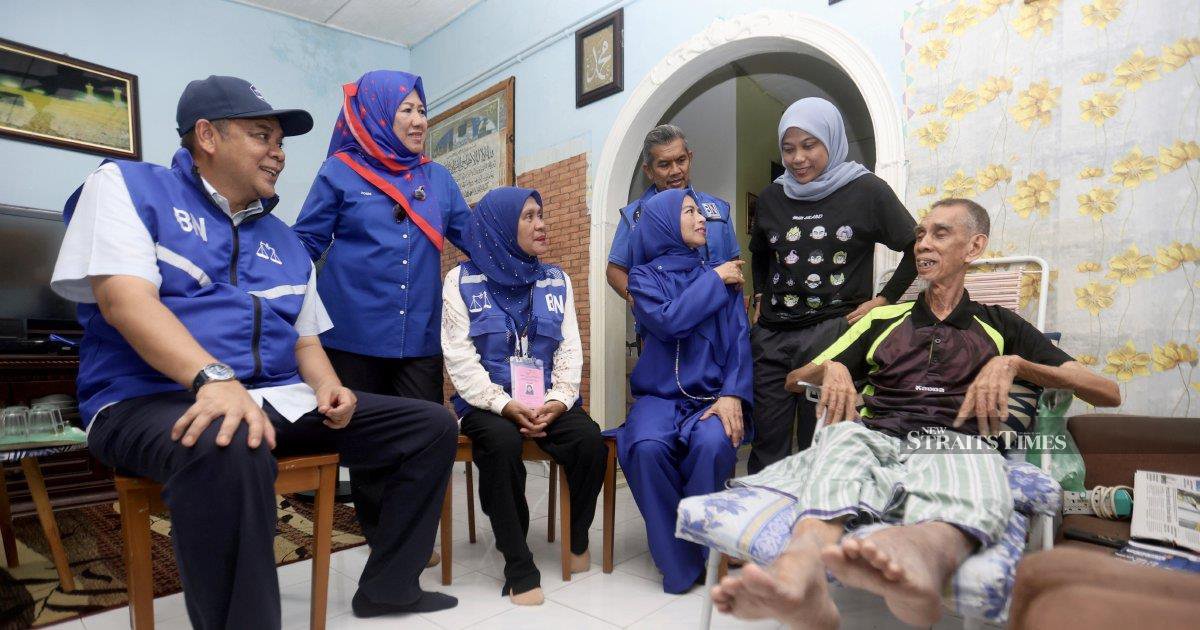
Barisan Nasional is strategically positioning itself to replicate the political success achieved in neighbouring Johor, hoping this momentum will translate into victory in the Negri Sembilan state election. The coalition's female leadership wing is spearheading efforts to energize voters with what officials term the "Johor aura" — a reference to the southern state's recent electoral triumph that delivered strong results for the BN-led government.
Wanita Umno chief Datuk Seri Dr Noraini Ahmad made these remarks while campaigning in Kuala Pilah, highlighting how the coalition intends to harness positive sentiment from neighbouring Johor to influence voter sentiment across Negri Sembilan. The strategy reflects a broader tactical approach within BN circles to create a narrative of resurgent coalition strength across the peninsula's western flank.
Johor's political landscape shifted significantly in recent electoral contests, with BN demonstrating substantial appeal among diverse voter demographics. This reconfiguration of the state's political dynamics has not gone unnoticed by opposition parties or the federal-level coalition machinery. The apparent ability to rebuild voter confidence in Johor provides BN strategists with a template they believe can be adapted for deployment in other state-level contests, particularly in Negri Sembilan where coalition fortunes have faced greater fluctuations.
The emphasis on Johor's performance carries particular significance for Malaysian electoral dynamics. Johor represents one of the peninsula's most politically diverse and economically significant regions, with a population that spans urban and rural constituencies across various demographic profiles. When BN demonstrates strength in such a varied landscape, it sends signals that resonate throughout the broader political establishment regarding voter appetite for coalition policies and governance approaches.
Negri Sembilan presents a distinct challenge and opportunity for BN operatives. The state occupies a middle ground between the solidly urban Federal Territories and the more rural eastern peninsular states. Voter concerns in the state reflect this positioning — a blend of urban development anxieties, rural agricultural interests, and small-town commercial preoccupations. By invoking Johor's success, BN messaging attempts to position the coalition as capable of addressing this heterogeneous range of constituent interests.
The mobilization of Wanita Umno in this campaign phase underscores recognition that female voters and women's organizational networks represent crucial vectors for political messaging in contemporary Malaysian elections. The women's wing brings distinctive campaign strengths, including community-level organizing capacity and messaging approaches that can resonate with household-level decision-making dynamics. Their deployment in frontline campaigning suggests BN recognizes the need for intensive grassroots engagement rather than relying solely on broader media narratives.
For Southeast Asian political observers, Malaysia's state-level electoral dynamics offer insight into how coalition politics operate within a federal democratic framework. The attempt to transfer political momentum across state boundaries reflects sophisticated campaign infrastructure and messaging coordination. It also demonstrates how successful governance performance in one jurisdiction can become a political asset in neighboring regions, particularly when voter sentiment proves volatile across the broader political landscape.
The Johor reference carries economic implications as well. The southern state's development trajectory and economic management record have become elements of political narrative construction. By associating themselves with Johor's development achievements, BN candidates in Negri Sembilan implicitly promise similar approaches to economic governance and public infrastructure development. This connects voter concerns about employment, business opportunities, and community development to broader statements about coalition competence.
Negeri Sembilan voters will ultimately evaluate BN's campaign messaging against incumbent governance records, opposition party platforms, and their own material circumstances. The "Johor aura" represents an attempt to establish psychological and narrative conditions favorable to BN performance, but it operates within a complex electoral environment where local issues, personality dynamics, and institutional trust factors also shape voter behavior significantly.
The coalition's reliance on neighboring-state success narratives reflects both confidence in its direction and recognition that electoral persuasion increasingly requires multidimensional messaging strategies. As Malaysia's political landscape continues evolving with greater voter volatility and competitive intensity, campaigns that leverage successful outcomes from adjacent jurisdictions may become standard practice across all political formations seeking to maximize electoral returns across multiple state contests.

