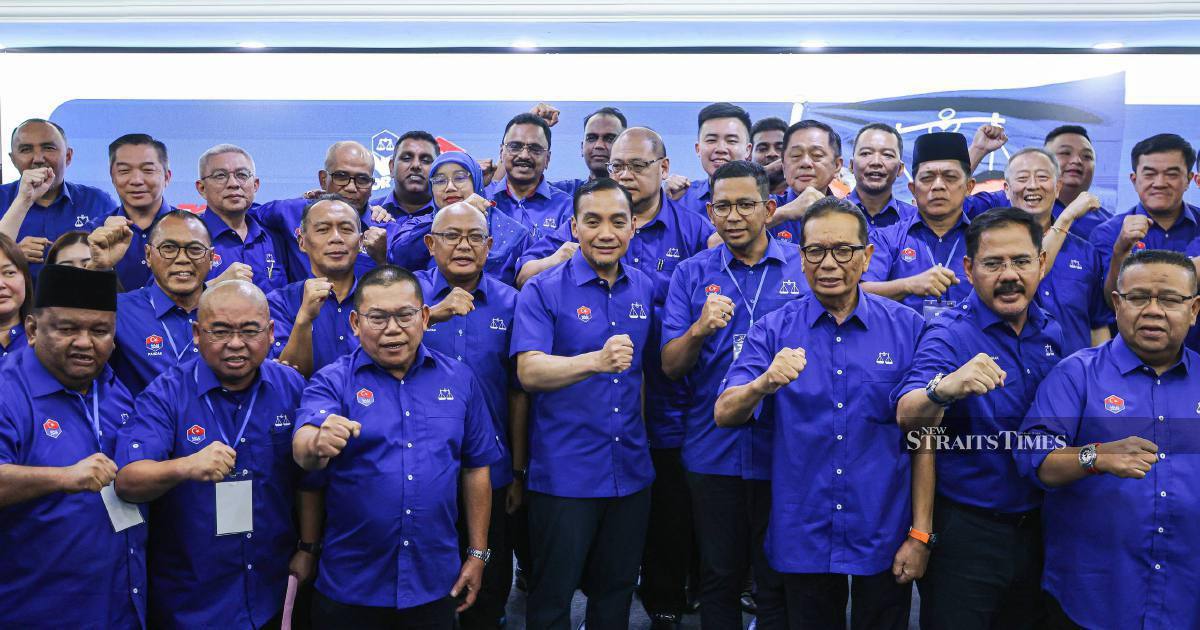
Barisan Nasional's Johor leadership has drawn a firm line in the sand ahead of the state election, declaring unequivocally that it will pursue a solo governing mandate rather than enter into power-sharing arrangements with competing political forces. In a statement that underscores the party's confidence—or perhaps its hardened negotiating stance—officials have characterised the position as immutable, leaving little room for the political manoeuvring that has become commonplace in Malaysia's fractious multiparty landscape.
The declaration represents a significant strategic posture in the context of contemporary Malaysian politics, where coalition governments have emerged as a pragmatic response to increasingly fragmented electorates. Rather than hedging bets through pre-election alliances, BN is betting that voter preference will deliver sufficient seats to govern without accommodating smaller parties or rival coalitions. This approach contrasts sharply with recent precedent, where political actors have routinely cobbled together post-election arrangements to claim a working majority.
Johor's political terrain has shifted considerably since the last major electoral contest, with multiple factions vying for influence and voter attention. The decision to pursue solo governance speaks to BN's assessment of the current climate and its belief that outright victory remains achievable. By pre-emptively closing the coalition door, party strategists may be attempting to crystallise support among their core base—voters who prefer uncomplicated governance and view coalition arrangements as signs of political weakness or opportunism.
This positioning also carries implications for rival groupings seeking to consolidate opposition support. If BN projects confidence in its electoral prospects, it may inadvertently galvanise opponents to sharpen their messaging and coordinate more effectively. Conversely, some opposition figures might interpret the stance as overconfidence, presenting an opening to mobilise undecided voters around a change narrative.
For Malaysian observers accustomed to fluid political alignments, BN's uncompromising rhetoric signals a departure from the consensus-building approach that characterised earlier governance models. The party has clearly calculated that presenting a unified, independent vision will resonate more powerfully with Johor voters than signals of flexibility or openness to post-election negotiations. Whether this reflects genuine confidence in electoral mathematics or a strategic communication exercise remains to be seen.
The broader Southeast Asian context adds another dimension to this local contest. Across the region, incumbent parties and coalitions have sought to reinforce their legitimacy through decisive electoral mandates rather than fractious power-sharing. BN may be signalling alignment with this trend, particularly as several regional governments have faced instability or legitimacy questions following coalition arrangements that appeared mercenary or unprincipled to voters.
Johor's particular importance within Malaysia's political ecosystem cannot be overstated. As the largest state by population and historically a BN stronghold, outcomes here influence perceptions of the coalition's national viability. By insisting on solo governance, BN stakes higher claims on its electoral strength and reinforces its image as a formidable political force capable of winning outright rather than depending on coalition partners.
The timing of such declarations also merits scrutiny. Election campaigns operate as periods of maximum rhetorical intensity, when parties articulate their most ambitious visions and strongest positions. Statements made in campaign mode often require recalibration once votes are counted and reality sets in. Political observers will likely view this pronouncement as negotiating theatre—a way to demonstrate strength and rally supporters—while remaining attuned to how circumstances might shift once electoral results become apparent.
Should BN achieve the overwhelming majority required for solo governance, the party's credibility on other campaign pledges would receive substantial reinforcement. Conversely, if results force compromise or coalition formation despite current rhetoric, the reversal could damage party credibility and embolden opposition narratives about campaign disingenuousness. These high stakes explain why BN is projecting such absolute certainty rather than hedging language.
The declaration carries practical implications for party members and affiliated organisations preparing for campaign work. By committing publicly to solo governance, BN leadership has given its machinery a clear, unambiguous mandate—mobilise supporters around a message of independent, decisive government rather than suggesting coalition openness. This clarity can enhance campaign coherence and prevent mixed messaging at ground level.
From an electoral strategy perspective, the position reflects confidence in BN's ability to win sufficient seats in Johor's state assembly. Party analysts have evidently concluded that the organisation, its machinery, and voter sentiment combine favourably enough to justify this ambitious framing. Yet political upheavals across Malaysia in recent years demonstrate how quickly calculations can shift, and how campaigns can produce surprises that defy pre-election expectations.
As the Johor campaign unfolds, this declaration will serve as a touchstone—whether BN's confident assertions hold up as votes are cast remains the ultimate test of strategic judgement and political acumen. For Malaysian political watchers, the contrast between today's rhetoric and whatever governing arrangements eventually emerge will prove telling about the state of party confidence, voter sentiment, and the enduring dynamics of Malaysia's evolving democratic system.

