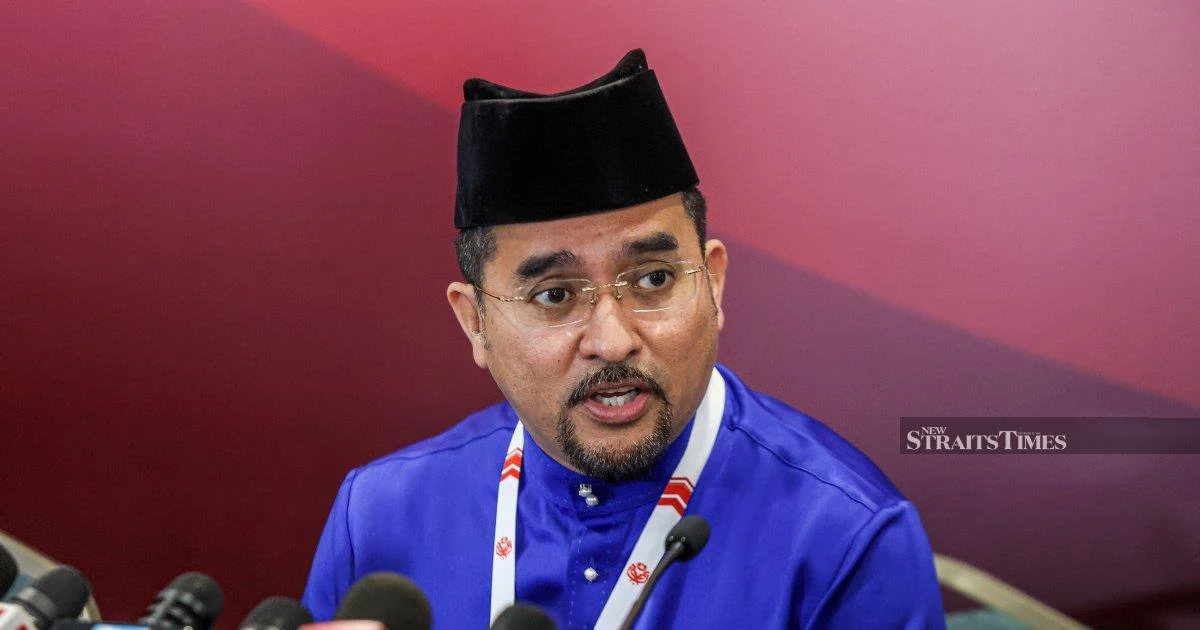
Barisan Nasional's postponed unveiling of its Johor election slate was the result of a comprehensive candidate vetting procedure, Umno secretary-general Datuk Dr Asyraf Wajdi Dusuki revealed, signalling that the coalition prioritised thoroughness over timeline adherence in its selection process.
The delay in announcing the coalition's candidates for the Johor state election reflects an intensified scrutiny mechanism that BN implemented to evaluate potential contenders across multiple dimensions. Rather than rushing to present its roster, the coalition chose to conduct what party officials characterised as a rigorous assessment, examining factors ranging from candidates' track records and credibility to their grassroots support and community standing.
This approach underscores a strategic recalibration within BN as it prepares for electoral contests following the coalition's mixed performance in recent nationwide polls. The comprehensive vetting framework suggests the coalition is attempting to rebuild public confidence by fielding candidates who can withstand closer scrutiny and demonstrate genuine capability to serve their constituencies effectively.
For Malaysian observers, BN's emphasis on candidate quality carries particular significance given the electoral landscape's evolution over the past decade. The coalition, which once dominated Malaysian politics through its extensive grassroots machinery and state resources, has faced increasing voter accountability demands. By publicly attributing the delay to stringent screening, BN leadership signals to constituents that the coalition takes candidate selection seriously rather than distributing tickets based on patronage or factional considerations alone.
The Johor state election carries outsized importance within Malaysia's broader political framework. As the nation's second-most populous state and a traditional BN stronghold, electoral outcomes in Johor often foreshadow trends in subsequent national contests. The coalition's methodical approach to candidate selection in the state therefore carries implications extending beyond Johor's borders, potentially influencing how other BN component parties and state chapters structure their own candidate nomination processes.
Datuk Dr Asyraf's explanation addresses criticism that emerged during the announcement delay period, when political observers and media outlets questioned whether internal disagreements or logistical shortcomings had disrupted the timeline. By framing the postponement as a deliberate quality-assurance measure rather than a procedural mishap, the Umno leadership sought to transform a potential vulnerability into a narrative about institutional diligence and responsible governance.
The vetting mechanism reportedly evaluated numerous dimensions beyond basic eligibility criteria. Candidates underwent assessments of their financial integrity, community engagement records, and alignment with party principles. This multi-layered evaluation process, whilst designed to ensure candidate calibre, inevitably consumed additional time and coordination across BN's various component parties, which needed to reconcile their own slate preferences within the broader coalition framework.
Such rigorous candidate selection processes have become increasingly important in Southeast Asian democracies, where voters increasingly expect transparency regarding how political parties choose their representatives. Malaysia's experience, particularly following the 2018 general election's dramatic outcome, demonstrated that voter appetite for accountability extends to candidate quality and background verification. BN's emphasis on vetting may reflect institutional learning from previous electoral setbacks.
The timing of the Johor election announcement delay also occurred within a broader context of Malaysian political flux, characterised by coalition negotiations, defections, and realignments. BN's deliberate approach to candidate selection provided time for party leadership to assess evolving political alignments and ensure that nominated candidates remained viable given shifting electoral dynamics within the state and nationally.
Looking forward, the candidate announcement process and its accompanying vetting framework may establish expectations for how Malaysian political coalitions approach future elections. If BN's Johor candidates subsequently perform well, the coalition will likely reinforce public messaging about its disciplined selection methodology. Conversely, any candidate-related controversies could undermine the legitimacy of the vetting process itself, potentially prompting questioning about whether the screening mechanisms were genuinely comprehensive or merely performative.
For voters and political analysts monitoring BN's trajectory, the stringency with which the coalition evaluated its Johor candidates will ultimately be measured against electoral outcomes and the subsequent performance of nominated representatives. This creates accountability pressure on both the vetting process designers and the selected candidates themselves, establishing a public benchmark against which the coalition's quality-assurance claims can be assessed.
Regionally, Malaysia's experience with candidate vetting processes carries relevance for other Southeast Asian democracies grappling with similar questions about political party accountability and institutional credibility. BN's explicit commitment to thorough candidate evaluation signals broader shifts within the region's political landscape toward greater voter expectations regarding transparency and candidate qualification standards.

