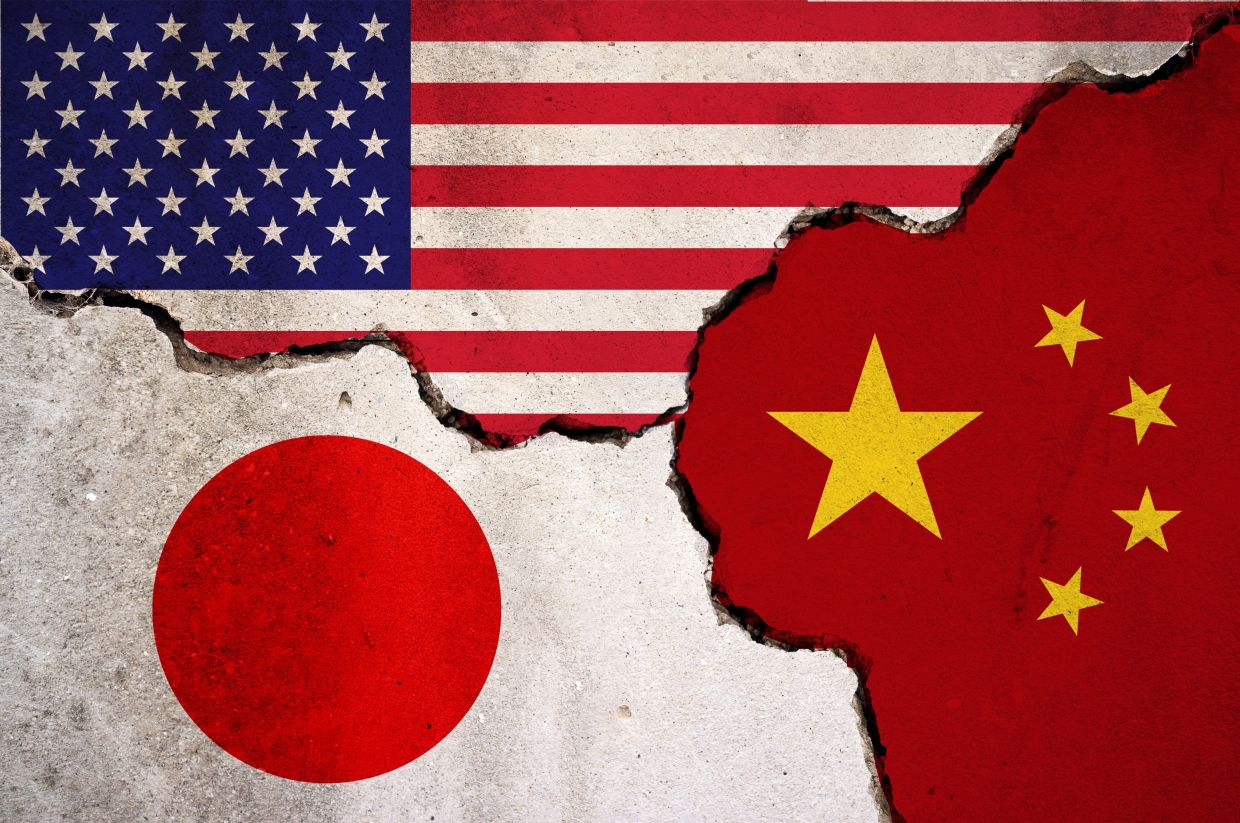
The relationship binding the United States and Japan, long regarded as a cornerstone of regional stability in East Asia, faces mounting strain as Beijing systematically punishes Tokyo with economic coercion while Washington offers only lukewarm diplomatic backing to its treaty ally. Over the past seven months, the situation has deteriorated markedly, leaving analysts and former US government officials alarmed at what they characterise as a dangerous opening in the alliance at a moment when regional tensions are already severely heightened.
The crisis originated in November when Prime Minister Sanae Takaichi, Japan's newly elected leader at the time, made explicitly clear that any Chinese military assault on Taiwan would constitute a direct threat to Japan's own survival. Speaking before Japanese lawmakers, the hardline politician asserted that should Beijing deploy warships and conduct military operations against the island, such action would fundamentally endanger Japan's security interests. Takaichi refused to retreat from this position despite international sensitivities surrounding Taiwan, signalling Tokyo's strategic calculations about its own vulnerability in such a scenario.
Beijing's retaliatory measures came swiftly and severe. China imposed restrictions on rare earth exports—materials critical to advanced manufacturing—among other punitive economic measures beginning in January. Such restrictions directly target Japan's industrial base and represented a direct rebuke to Takaichi's remarks. Analysts anticipated Beijing's response given that Taiwan represents a core strategic interest for Chinese leadership, yet the broader diplomatic landscape has revealed unexpected complications within the Washington-Tokyo partnership.
What distinguishes this episode is Washington's muted reaction to Chinese pressure on its closest Asian ally. Japanese officials have privately escalated their appeals to the Trump administration with increasing urgency, expanding from singular requests to frequent discussions at both cabinet and legislative levels, according to sources with direct knowledge of these interactions. Despite these pleas, White House officials have consistently treated the matter with minimal priority, with one frustrated source characterising the administration's approach as dismissive: "It's been a case of 'Japan wants this ... Next subject.'" Trump himself raised the rare earth restrictions during discussions with Chinese President Xi Jinping, but observers note the conversation lacked the forceful advocacy Tokyo expected from Washington.
Analysts attribute this tepidness partially to Trump's personality and transactional approach to foreign policy, which differs fundamentally from the traditional US commitment to collective security arrangements. The president has long viewed alliances through the lens of cost-benefit analysis, frequently characterising allied nations as free riders despite Japan's substantial defence spending increases and demonstrated commitment to strengthening deterrence capabilities against China. Tokyo's frustrated response reflects genuine bewilderment that Washington would provide inadequate support even as Japan has emphatically answered American calls to increase military investment and modernise its defence infrastructure.
Regional preoccupations also factor into Washington's distracted posture. The Trump administration's deep involvement in Middle Eastern affairs, particularly the conflict with Iran alongside Israeli Prime Minister Benjamin Netanyahu, has diverted significant military and diplomatic resources from East Asia. The administration has shifted substantial anti-missile systems and force deployments from the Pacific region to the Persian Gulf, thereby reducing its immediate capacity to project reassurance in Asia. However, analysts note this explanation carries limitations since Takaichi's provocative comments predated the Middle East conflict's February escalation, suggesting strategic choice rather than mere circumstantial distraction.
Political calculations at home appear to influence Trump's stance toward regional security matters. Facing declining popularity domestically and economic pressures linked to Middle Eastern military commitments before crucial midterm elections, the president may view distance from Japan and relative silence about Chinese coercion as bargaining tools to improve relations with Xi Jinping. Whether positioning for a potential Washington summit this autumn or manoeuvring within ongoing trade negotiations, Trump seemingly treats regional security frameworks as negotiating chips rather than foundational commitments. Jeffrey Moon, formerly of the National Security Council and now leading China Moon Strategies, observes that Trump appears convinced he can leverage Taiwan ambiguity and studied silence regarding Japanese concerns as strategic advantages.
Compounding these calculations is Trump's well-documented skepticism toward traditional alliance structures and historical suspicion of allied contributions. His notable disappointment that Japan, NATO members, and other partners refused to provide naval assistance or military support in the Persian Gulf reveals the transactional framework through which he evaluates alliance relationships. During a March White House meeting with Takaichi, when a Japanese reporter questioned why the president had not consulted allies before implementing war plans, Trump responded dismissively, stating that "it's appropriate that people step up" before paradoxically denying he required assistance whatsoever.
Analysts identify an additional dimension to Trump's divided attention from geopolitical concerns. The president has increasingly focused his second-term efforts on personal matters including family property holdings and cryptocurrency ventures, alongside managing personal grievances and determining whom to favour in various contexts. This internward focus, observers suggest, further deprioritises regional alliance management and collective security frameworks. Moon notes with evident reluctance that gender dynamics may also subtly influence Trump's approach, adding another layer to an already complex diplomatic picture.
The cumulative effect of these multiple pressures has generated palpable dissatisfaction among Japanese officials, manifesting as what observers describe as "simmering dissatisfaction" within Tokyo's government circles. Japan finds itself in an awkward position: the nation desires more vigorous public support from Washington against Chinese economic coercion yet simultaneously fears that openly requesting such backing could project weakness internationally and invite further Chinese pressure. Jeremy Chan of Eurasia Group explains that Tokyo's reluctance to publicly complain about Chinese measures reflects sophisticated calculation about how such complaints might be weaponised.
Some analysts contend that Takaichi herself overreached by explicitly articulating the strategic ambiguity that has underwritten the Taiwan Strait's precarious stability for half a century. By openly stating that Japanese security depends on Taiwan's status, she potentially destabilised the careful diplomatic choreography surrounding the island. Others counter that Takaichi merely voiced truths long understood given Japan's geographic position and massive American military presence on its soil, rendering her statements more honest acknowledgement than dangerous revelation of heretofore-hidden calculations.
The broader implications for the Indo-Pacific region remain concerning. The visible fissuring of the US-Japan alliance at a moment when China demonstrates willingness to deploy economic coercion against regional partners sends troubling signals to other democracies concerned about Beijing's assertiveness. Taiwan, South Korea, and the Philippines all watch closely as Washington's commitment to its most strategically vital Asian ally appears to waver under transactional presidential leadership. Whether the Trump administration can repair the evident damage to Japanese confidence and demonstrate sustained commitment to collective security frameworks will significantly influence East Asian stability for years ahead.

