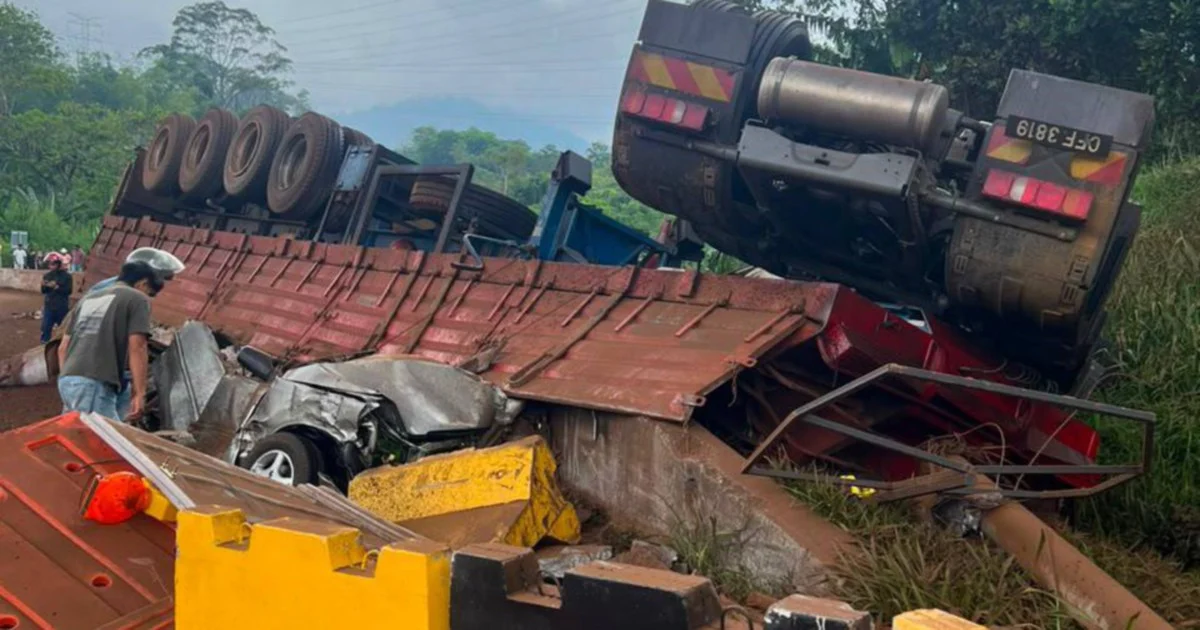
A trailer operator charged in connection with a fatal vehicular accident on the Karak Expressway that claimed the lives of four individuals has secured his release through police bail arrangements, as the judicial process unfolds pending formal charges. The driver, whose identity remains linked to the June 14 incident in the Bentong area, was granted conditional release while state authorities and traffic enforcement divisions conduct a thorough examination of events leading to the multi-vehicle collision.
The decision to release the driver on bail represents a procedural stage in the investigation rather than a conclusion regarding culpability. Police bail conditions typically require the accused to remain available for questioning, maintain regular reporting at designated stations, and adhere to specific travel restrictions as determined by investigating officers. The granting of bail suggests investigators have secured sufficient preliminary evidence to proceed with their inquiry without requiring continued custody.
Fatalities resulting from expressway accidents in Malaysia frequently expose systemic vulnerabilities within the nation's highway safety framework. The Karak Expressway, a major arterial route connecting Kuala Lumpur to the east coast through Pahang state, experiences consistent traffic volume that creates compounded risks during peak periods. Understanding the specific dynamics of this June incident becomes crucial for highway authorities evaluating safety protocols along this corridor and similar routes nationally.
The investigation into the Bentong crash will likely examine multiple contributing factors including vehicle mechanical condition, driver alertness, road infrastructure visibility, weather circumstances at the time of impact, and compliance with traffic regulations. Malaysian Road Transport Department and police traffic investigation units employ standardized forensic methodologies to reconstruct accident sequences, determining whether driver error, mechanical failure, or environmental conditions precipitated the collision. Such comprehensive analysis forms the evidentiary foundation upon which prosecutorial decisions rest.
Malaysian traffic fatalities have prompted ongoing dialogue regarding enforcement intensity, driver licensing standards, and vehicle safety requirements. The country has consistently ranked among nations with elevated road mortality rates relative to motorization levels, reflecting challenges in driver behaviour, vehicle maintenance standards, and infrastructure conditions. Individual tragedies like the Bentong incident underscore broader policy questions about balancing commercial transport demands with public safety imperatives on shared expressway networks.
For the families of the four victims, the bail decision marks an extended period of uncertainty regarding justice outcomes. Malaysian courts typically require completed police investigations before determining appropriate charges, which may range from negligence-based offences to more serious culpability classifications depending on established facts. The timeline from bail release through formal charge sheets and subsequent trial proceedings extends across months, during which investigative findings accumulate and evidentiary frameworks solidify.
The trailer driver's release reflects established Malaysian criminal procedure principles distinguishing between detention necessity and bail eligibility. Courts and police officials assess flight risk, community ties, evidence strength, and public safety implications when determining pretrial release conditions. The fact that bail was granted rather than custody remanded suggests investigating officers determined sufficient safeguards existed to permit freedom while maintaining investigative access.
Commercial transport operators and logistics companies across Malaysia have increasingly scrutinized safety cultures within their organizations following high-profile accident incidents. Industry associations have promoted driver training enhancements, fatigue management protocols, and vehicle maintenance regimens as proactive measures addressing preventable collisions. The Bentong incident reinforces commercial imperatives for fleet operators to prioritize safety systems alongside operational efficiency.
The Karak Expressway crash investigation will contribute to the broader Malaysian traffic safety evidence base. Road safety specialists, highway engineers, and transport regulators utilize data from significant accidents to identify patterns, refine protective measures, and strengthen regulatory frameworks. Individual cases frequently catalyze policy discussions regarding speed limits, vehicle standards, driver qualifications, and infrastructure improvements affecting expressway safety outcomes.
As investigations proceed, authorities will coordinate between multiple agencies including the Federal Road Transport Department, Royal Malaysia Police Traffic Investigation and Enforcement Division, and potentially highway concessionaire operators responsible for Karak Expressway maintenance and management. This multi-stakeholder approach ensures comprehensive examination of human, mechanical, and infrastructural dimensions contributing to the fatal collision. The resulting investigative report will establish the factual foundation for legal proceedings while informing future accident prevention initiatives across Malaysia's expressway network.
The bail decision does not conclude the judicial process but initiates a phase requiring sustained investigative effort and evidence compilation. Prosecutors will eventually determine whether charges proceed based on accumulated findings, potential outcomes ranging from traffic-related offences to more serious criminal classifications. For families of victims and broader public safety advocates, the investigation's conclusions carry significance extending beyond individual accountability to influence future highway safety interventions affecting millions of Malaysian road users.

