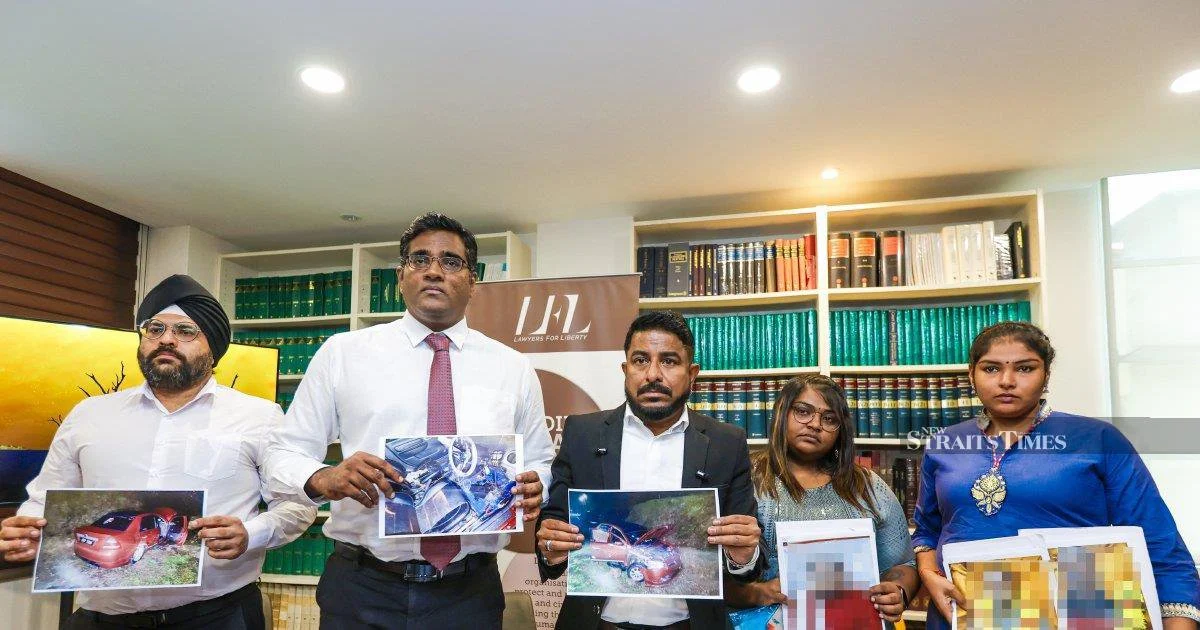
The relatives of three men who lost their lives in a police operation in Durian Tunggal, Melaka, on November 24 have escalated their demands for accountability by calling on the Malaysian Anti-Corruption Commission to launch an investigation into the policemen involved. The families' push for a graft inquiry signals deepening concerns about the circumstances that led to the fatal shooting and points to broader questions about police conduct during the incident.
The incident in Durian Tunggal resulted in the deaths of three individuals during what authorities described as a police operation, though specific details about the nature of the operation and the justification for the use of lethal force remain contested. The families' decision to pursue an anti-corruption angle suggests they harbour suspicions about potential misconduct or impropriety beyond the shooting itself, encompassing concerns that may relate to the investigation, circumstances leading up to the operation, or possible cover-ups.
Involving MACC in the matter represents a significant escalation in the families' quest for justice. Rather than confining their complaints to police internal mechanisms or the police conduct board, the relatives are seeking intervention from an independent anti-corruption agency, underscoring their apparent lack of confidence in police self-regulation processes. This move reflects a pattern increasingly seen in Malaysian cases where victims' families pursue multi-agency investigations to ensure thorough scrutiny.
The Malaysian Anti-Corruption Commission operates independently of police and has the authority to investigate allegations of corruption, abuse of power, and misconduct by public officials, including police personnel. An MACC investigation could potentially uncover matters that conventional police inquiries might overlook or downplay, such as falsification of reports, unlawful enrichment, or conspiracy among officers involved in the operation.
Police shootings resulting in civilian deaths typically trigger internal affairs investigations and reviews by the police force hierarchy, but these mechanisms have faced criticism from human rights advocates and bereaved families who argue that internal investigations lack true independence and rarely result in criminal charges against officers. The families' appeal to MACC suggests they view external oversight as essential to uncovering the truth about what occurred in Durian Tunggal.
The case arrives amid broader discussions in Malaysia about police accountability and the use of force. Fatal police shootings, whether justified or controversial, have increasingly become subjects of public scrutiny and legal challenge. Families of deceased persons have explored various avenues to seek accountability, including civil lawsuits, criminal referrals, and requests for independent inquiries. The move to involve MACC adds another layer to these efforts.
From a procedural standpoint, MACC investigators would need to establish whether any of the officers involved engaged in corruption, abuse of authority, or other misconduct as defined under the Malaysian Anti-Corruption Commission Act 2009. This could potentially extend beyond the shooting itself to encompass the planning of the operation, decisions made beforehand, actions taken immediately after the incident, and conduct during subsequent investigations or public statements.
The families' willingness to pursue this avenue also highlights growing awareness among Malaysian citizens about the range of agencies available to lodge complaints and seek investigations. While MACC is primarily known for investigating financial corruption, its mandate under the law covers a broader spectrum of official misconduct, including abuse of power by public servants including law enforcement personnel.
The November 24 incident in Durian Tunggal has not generated the same level of sustained media attention as some other controversial police shootings in Malaysia, yet it clearly matters deeply to the families affected. Their determination to push for an anti-corruption investigation demonstrates resolve to obtain answers and accountability despite the initial police narrative of events. Whether MACC ultimately decides to investigate, and if so what such an investigation might uncover, could have implications for how Malaysian authorities handle similar cases in future and for public confidence in police operations.
The case underscores ongoing tensions surrounding police use of lethal force in Malaysia and the adequacy of existing accountability mechanisms. As families continue to demand justice through available legal and investigative channels, the outcome of their appeals to MACC may influence how other bereaved relatives of shooting victims approach seeking truth and accountability in coming years. The willingness of authorities to grant such investigations, or alternatively to resist them, will send important signals about the government's commitment to independent oversight of police conduct.