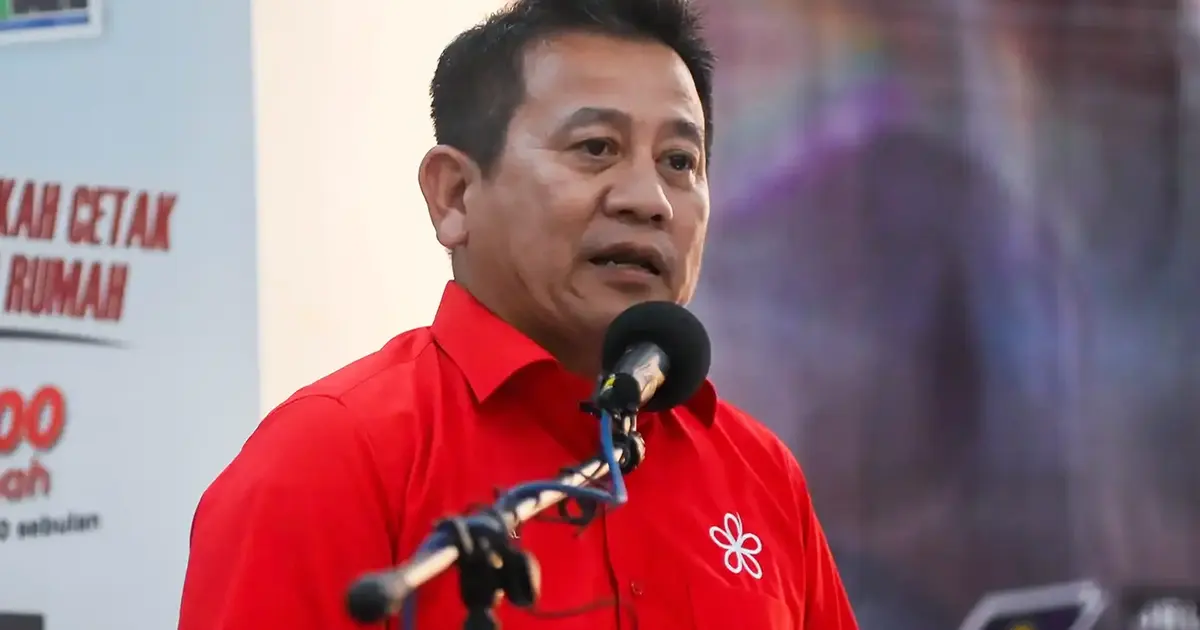
Tensions within Malaysia's opposition Perikatan Nasional coalition have surfaced publicly, with Bersatu's information chief Tun Faisal Ismail Aziz levelling accusations that PAS is systematically consolidating control through recent leadership reorganisations. The allegation signals deepening friction within the bloc, which has positioned itself as an alternative to the Pakatan Harapan government but has struggled to maintain unified messaging and strategy.
Tun Faisal's criticism specifically targets what he characterises as the Islamist party's increasingly authoritarian operational style, suggesting that internal power dynamics within Perikatan Nasional are shifting in ways that disadvantage other coalition members. His public airing of grievances reflects growing frustration among Bersatu leadership over decision-making processes within the alliance, particularly regarding the distribution of roles and responsibilities following recent structural changes announced by the coalition.
The reshuffle under scrutiny appears to have benefited PAS disproportionately, according to Bersatu's assessment, while potentially marginalising the influence of other component parties. This imbalance touches on fundamental questions about whether Perikatan Nasional functions as a genuine multiparty coalition or increasingly operates as a PAS-dominated vehicle with supporting cast members. The distinction matters considerably for Malaysian politics, as it determines whether the opposition can credibly present itself as a balanced alternative capable of governing with input from diverse stakeholder interests.
PAS, as the numerically largest party in Perikatan Nasional and holder of significant state-level power through Kelantan and Terengganu, possesses inherent structural advantages within any coalition framework. However, the tension erupting now suggests that Bersatu and potentially other partners feel these advantages are being weaponised to override collective decision-making norms. Such complaints typically emerge when smaller coalition members believe their contributions and perspectives are being dismissed or overridden by the dominant partner.
Bersatu's position within Perikatan Nasional has itself been precarious, particularly following the party's return to the coalition after an earlier departure. The party under former Prime Minister Muhyiddin Yassin originally founded the bloc but subsequently exited, creating uncertainties about its long-term commitment and role. Recent manoeuvres by PAS leadership may be interpreted as efforts to consolidate power precisely because Bersatu's allegiance remains somewhat conditional and negotiable, requiring PAS to establish undisputed authority rather than relying on consensus-based governance.
The theological and ideological dimensions of PAS also colour these internal dynamics. As an explicitly Islamist party with a specific vision for Malaysia's religious and political trajectory, PAS may view coalition leadership as essential for steering national direction toward its principles. Other coalition members, including Bersatu, operate from different ideological frameworks, creating inherent tensions over policy priorities and coalition strategy that reshuffle disputes often reflect in coded language about "authoritarianism" and "consolidation."
For Malaysian voters and political observers, these internal coalition tensions carry significant implications. A Perikatan Nasional weakened by internal suspicion and unequal power dynamics presents a less credible alternative government. Voters considering supporting the opposition bloc may hesitate if they perceive it as an unstable arrangement likely to fracture under governing pressures. Conversely, the ruling Pakatan Harapan administration benefits from opposition disarray, allowing it to govern with less effective scrutiny and political pressure.
The accusations also intersect with broader concerns about democratic norms within Malaysian political parties themselves. Even in opposition coalitions, smaller members typically expect to influence strategy and policy direction proportionally to their contributions. When larger partners unilaterally reorganise structures without adequate consultation, it signals that internal coalition democracy is compromised. This pattern, if it becomes established practice, would undermine trust among coalition partners and complicate efforts to forge unified campaigns during election periods.
Regionally, Perikatan Nasional's stability matters beyond Malaysia's borders. The coalition's positioning on foreign policy, regional integration, and bilateral relationships influences Southeast Asian diplomatic calculations. A coalition riven by internal power struggles may prove less reliable for neighbouring countries seeking predictable engagement with Malaysian political leadership, whether in opposition or government.
The path forward for Bersatu and other Perikatan Nasional components will likely involve either accepting PAS dominance within negotiated parameters, or reconsidering their coalition commitments. History suggests Malaysian coalitions often reorganise around informal agreements where dominant partners grant concessions on specific matters to junior partners in exchange for loyalty. Whether current grievances can be resolved through such negotiation or represent a more fundamental breakdown in coalition viability remains uncertain.
Tun Faisal's public statements suggest Bersatu has decided confrontation over discretion is the appropriate response to what it perceives as PAS overreach. This strategic choice indicates that internal resolution efforts may have already been exhausted, or that Bersatu leadership believes public pressure on PAS leadership offers a better path to securing its interests than private negotiations. How PAS responds to this challenge will shape Perikatan Nasional's trajectory and potentially influence Malaysian electoral politics heading toward future general elections.