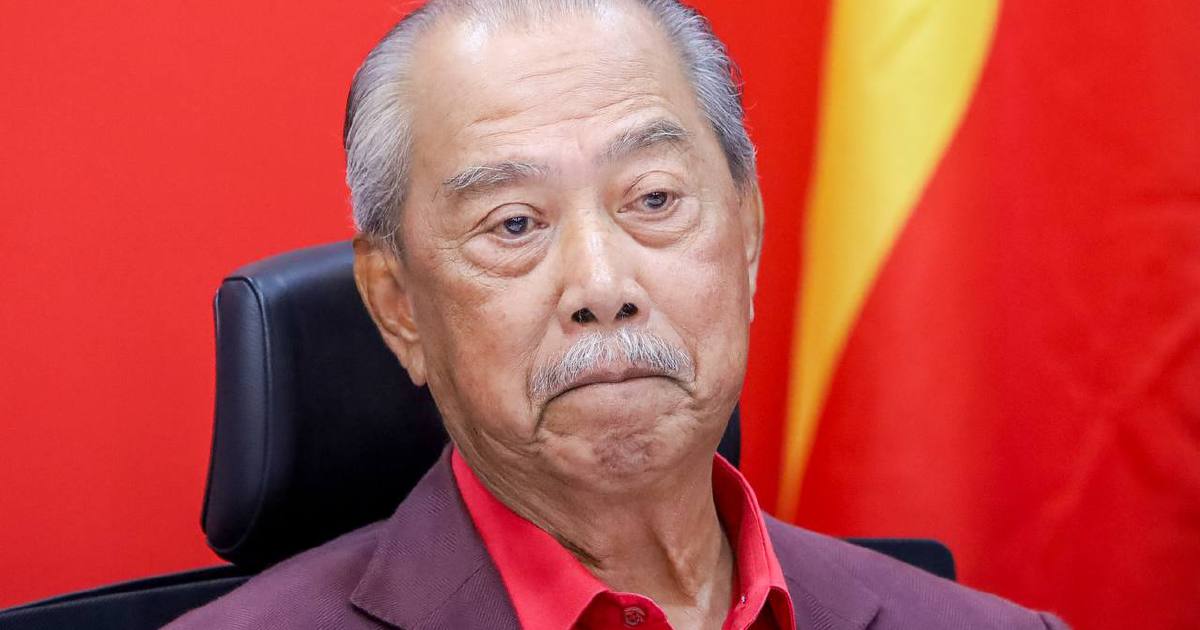
Parti Pribumi Bersatu Malaysia has reaffirmed its commitment to Perikatan Nasional ahead of upcoming state elections, with party president Tan Sri Muhyiddin Yassin confirming that the organisation will contest in Johor and Negri Sembilan using the coalition's centralised electoral branding. The declaration carries significance for Malaysia's fractious political landscape, where coalition unity has often proved elusive and opportunistic defections between blocs have disrupted electoral calculations.
Muhyiddin's announcement addresses mounting speculation about whether Bersatu might pursue independent candidacies or form alternative electoral arrangements in the two states. Such uncertainty has periodically destabilised Perikatan Nasional's political standing since its formation in 2020, particularly as party leaders have navigated the complex dynamics of working alongside PAS and smaller coalition partners. The commitment to contest under a unified logo signals an effort to project a cohesive political force capable of challenging competing coalitions in critical peninsular territories.
For Malaysian observers tracking the broader political realignment, this development underscores Bersatu's strategic calculation that remaining embedded within Perikatan Nasional offers greater electoral viability than pursuing splinter strategies. The decision reflects lessons learned from previous state-level contests where divided opposition has benefited incumbent administrations. Both Johor and Negri Sembilan represent contested political terrain where different blocs hold meaningful support bases, making coordinated campaigning potentially advantageous for Bersatu's parliamentary and legislative ambitions.
The coalition logo strategy also carries practical implications for voter recognition and campaign resource allocation. Using a unified symbol allows Perikatan Nasional to consolidate messaging and concentrate financial expenditure on battleground constituencies rather than fragmenting efforts across competing party infrastructures. For Bersatu specifically, this approach minimises the risk of cannibalising votes through internal competition with coalition partners while maintaining organisational autonomy and individual party identity within the broader political structure.
Bersatu's trajectory since its establishment in 2016 has been characterised by volatile electoral partnerships and shifting alliances. The party's initial emergence as a reformist vehicle, its role in toppling Barisan Nasional in 2018, and its subsequent pivot toward collaboration with PAS in Perikatan Nasional demonstrate the organisational flexibility that Muhyiddin has prioritised. This latest confirmation of coalition loyalty, while perhaps appearing routine, actually represents a significant positioning decision in an environment where party leaders frequently exploit electoral junctures to renegotiate terms or extract concessions.
For Perikatan Nasional as a whole, Bersatu's continued participation represents a stabilising force. The coalition's electoral prospects depend substantially on projecting unified political intent across diverse voter demographics and regional strongholds. Bersatu's presence, particularly its capacity to mobilise Bumiputera constituencies and maintain organisational reach in several states, contributes meaningfully to the coalition's competitive positioning against both Barisan Nasional and Pakatan Harapan blocs. Muhyiddin's emphasis on unified branding thus serves a reassurance function for coalition partners and supporters concerned about potential fragmentation.
The significance of Johor and Negri Sembilan as electoral battlegrounds cannot be understated within Malaysia's federal structure. Johor remains one of the nation's most consequential states, with substantial population, economic resources, and parliamentary seat allocation. Negri Sembilan, though smaller, occupies strategic importance as a historically competitive territory where multiple political forces maintain viable support bases. Contesting both states under unified coalition branding positions Perikatan Nasional to potentially expand its territorial influence and strengthen its national bargaining position in any future federal administration.
Muhyiddin's statement also implicitly addresses internal party concerns about electoral seat allocations and candidate selection procedures. Maintaining unity within a multi-party coalition requires continuous management of resource distribution and representational fairness. By framing the contest as fundamentally a coalition endeavour rather than individual party competition, the party president provides ideological justification for accommodating partner organisations in seat negotiations and campaign strategy discussions. This framing reduces incentives for dissidents within Bersatu to pursue parallel candidacies or cross-electoral alliances.
The timing of this affirmation reflects broader political calendar considerations. State elections in Johor and Negri Sembilan will occur within Malaysia's general electoral cycle, with implications for federal-level political positioning. Parties across the spectrum use state contests to test messaging, mobilise grassroots organisations, and signal commitment to regional strongholds. For Bersatu, demonstrating reliable coalition partnership ahead of these contests establishes credibility with potential federal government partners and consolidates internal party discipline around Muhyiddin's strategic vision.
Malaysian political analysts will likely scrutinise implementation of this commitment during the actual campaign period. Coalition unity remains perpetually vulnerable to tactical divergences, candidate disputes, and leadership tensions. Whether Bersatu maintains unified branding throughout the contest period, or whether internal pressures produce modifications to this declared strategy, will provide important indicators about the coalition's structural durability. Such observations carry implications for investors, civil society organisations, and regional observers assessing Malaysia's political trajectory and stability.
The declaration also carries significance for PAS and other coalition partners, who presumably receive confirmation that Bersatu will not pursue aggressive independent expansion strategies that could marginalise smaller coalition members. This reassurance function helps maintain the cooperative framework necessary for Perikatan Nasional to function as an effective political force. Conversely, Bersatu gains implicit recognition from coalition partners regarding its status as a significant component organisation entitled to meaningful electoral territory and representational voice within collective decision-making structures.