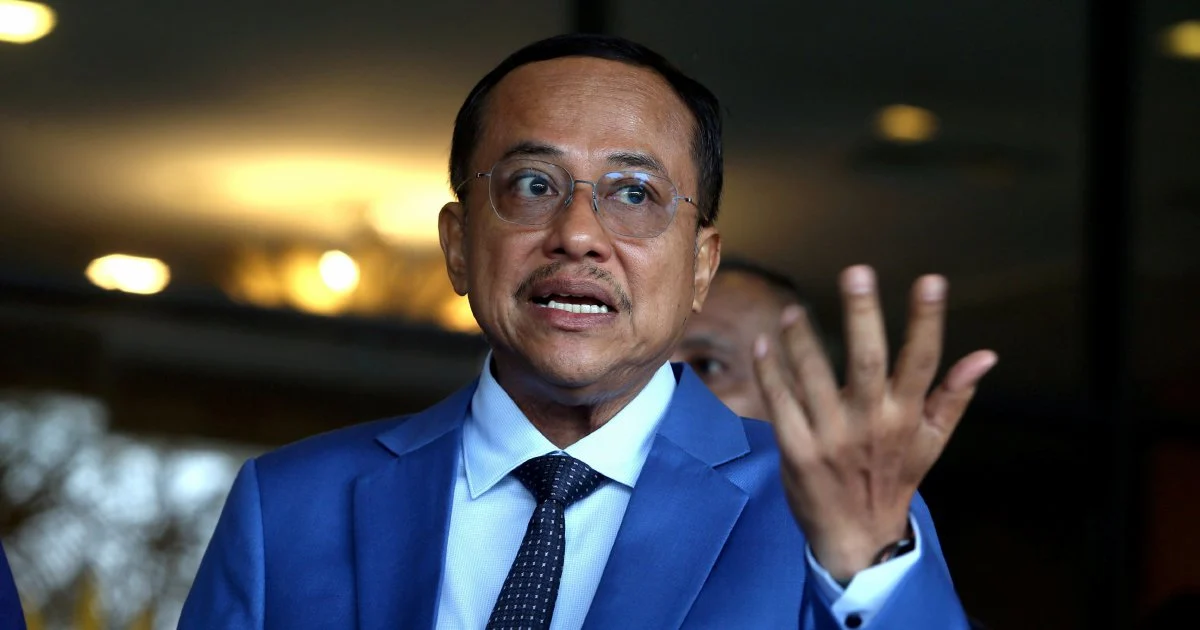
The Perikatan Nasional coalition has descended into fresh conflict following accusations from Bersatu's information chief Datuk Tun Faisal Ismail Aziz that chairman Datuk Seri Dr Ahmad Samsuri Mokhtar has abdicated his core responsibilities at a critical juncture for the opposition bloc. The attack signals deepening fault lines within the alliance as member parties clash over leadership and strategic direction.
Faisal's critique zeroes in on what he characterises as a fundamental dereliction of duty. In his view, Samsuri has failed to exercise the decisive leadership expected of someone holding the coalition's top position, effectively ceding influence to rival factions within the broader PN structure. The Bersatu official's language—describing the situation as "very irresponsible"—underscores the gravity with which the party views the chairman's perceived passivity during what appears to be a period of heightened internal tension.
The specific nature of Faisal's complaint carries particular significance: he argues that Samsuri appears to have conflated his role as PN chairman with his position within Pas, suggesting the chairman is prioritising his parent party's interests over his obligations to the wider coalition. This distinction matters enormously within Malaysian opposition politics, where coalition cohesion depends on leaders maintaining clear boundaries between their party roles and their responsibilities to the broader alliance. When a chairman effectively abandons the latter for the former, it can trigger cascading problems across member parties.
For Malaysian observers, this latest eruption reveals the structural vulnerabilities that have long plagued opposition alliances in the country. Unlike ruling coalitions, which benefit from the machinery of government and the material incentives that flow from power, opposition blocs must rely on ideological alignment and personal relationships between leaders. When those relationships fracture, the entire structure becomes unstable. PN's current difficulties suggest that the glue holding it together has become increasingly brittle.
The timing of this public critique is noteworthy. Rather than resolving disputes through private channels, Bersatu has chosen to air grievances publicly, a tactical decision that suggests either an intention to pressure Samsuri into more decisive action or perhaps a signal that Bersatu itself is reconsidering its commitment to the current coalition arrangement. Public attacks of this nature often precede more significant organisational shifts, making this moment worth close monitoring.
Bersatu's position within PN has always been somewhat complicated. As a relative newcomer to the coalition compared to Pas, which has been the dominant opposition force for decades, Bersatu has struggled to assert itself as a major player. Tun Mahathir Mohamad's return to politics through the party initially gave it outsized influence, but his subsequent departure and the emergence of figures like Muhammad Azmin Ali have left Bersatu searching for a stable power base. Faisal's attack on Samsuri may reflect broader frustration within Bersatu about its inability to shape coalition direction.
The implications for Malaysian politics extend beyond internal PN dynamics. A weakened or fractious opposition coalition serves the interests of the government, which benefits from a disunited opposition unable to mount sustained challenges. This is particularly relevant ahead of any future elections or parliamentary manoeuvres, where opposition unity becomes crucial for mounting effective counter-campaigns. If PN cannot maintain basic functional cohesion among its leadership, its ability to contest federal or state elections will be seriously compromised.
For Southeast Asian regional analysis, Malaysia's opposition dynamics deserve attention because they reflect broader patterns affecting democracies in the region. Opposition coalitions across Southeast Asia frequently struggle with the same coordination problems now plaguing PN: questions of leadership authority, allocation of campaign resources, and division of electoral spoils. How PN resolves—or fails to resolve—these issues may offer instructive lessons for opposition movements elsewhere in the region.
The question now becomes whether Samsuri will respond to these charges or whether he will maintain silence, each option carrying different signals about his standing and authority within the coalition. A robust defence might reinvigorate his position, while continued quiet could be interpreted as tacit acceptance of the charges and a further erosion of his credibility as a unifying figure. Either way, Bersatu's decision to escalate this criticism publicly suggests that patience within the coalition has worn thin and that deeper questions about PN's future direction and leadership are now moving into the open.