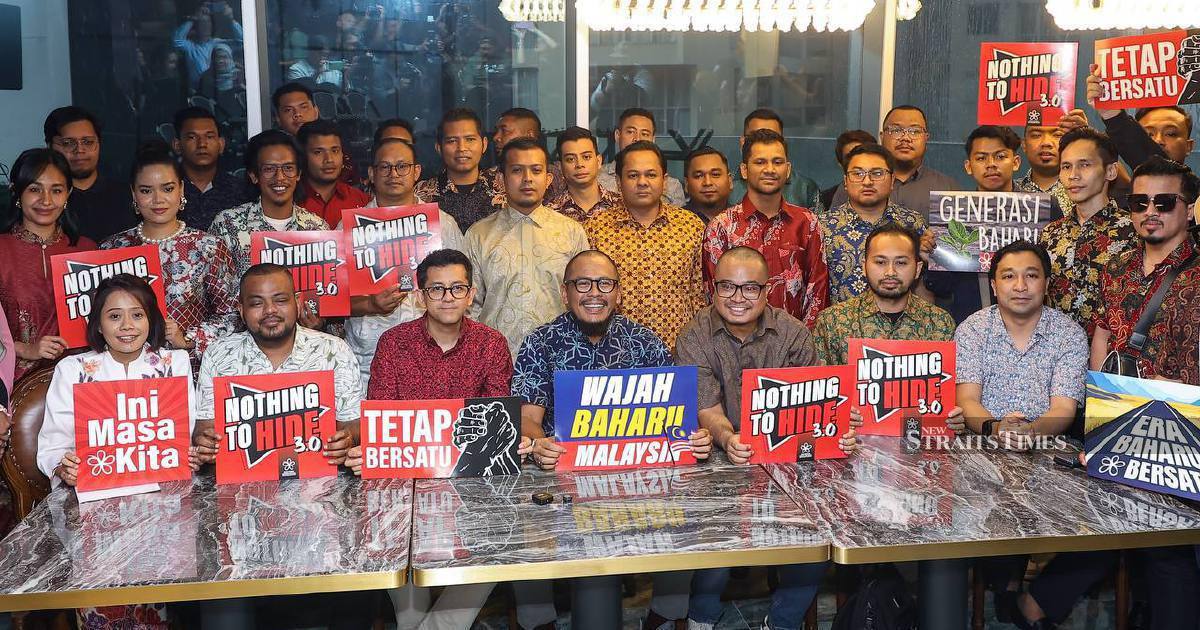
The Kota Siputeh assemblyman Mohd Ashraf Mustaqim Abdul Munir has offered a measured appraisal of the strained dynamic between Pas and Bersatu, two cornerstone parties in the Perikatan Nasional coalition government. Speaking from a position of relative optimism, he characterised the partnership's current difficulties as recoverable, suggesting that the underlying institutional bonds remain fundamentally intact despite the acrimony that has surfaced in recent months.
Mohd Ashraf's comments arrive against a backdrop of visible friction between the two parties, which have alternated between public criticism and backroom tensions since taking office as part of the PN electoral alliance. The coalition itself has proven fragile in Malaysia's inherently unstable political environment, where shifting alliances and competing ambitions regularly destabilise governing arrangements. For observers tracking the government's cohesion, the question of whether Pas and Bersatu can genuinely repair their working relationship carries substantial implications for Cabinet stability and legislative effectiveness.
The assemblyman's metaphor—comparing the two parties to a married couple continuing to cohabit despite domestic friction—carries particular resonance in the Malaysian political context. Unlike temporary electoral partnerships or opportunistic coalitions, Pas and Bersatu have constructed deeper institutional ties, with joint governance arrangements in several states and overlapping support bases among conservative Muslim voters and Malay-focused constituencies. This structural interdependence creates incentives for reconciliation that might not exist in purely transactional political marriages.
The tensions between the partners have manifested in various public disagreements over policy direction, resource allocation, and leadership positioning within the PN framework. These disputes reflect not merely personal rivalries but genuine ideological and strategic differences—Pas has historically advocated for more explicitly Islamic governance models, whilst Bersatu, emerging from the splinter of the United Malays National Organisation, has pursued a somewhat broader coalition-building approach. Navigating these differences whilst maintaining governmental effectiveness requires constant negotiation and compromise.
From a Southeast Asian perspective, the stability of Malaysia's current government carries weight beyond domestic politics. The region's largest Muslim-majority democracy serves as a bellwether for coalition governance in a religiously diverse context, and the performance of Perikatan Nasional offers lessons—both positive and cautionary—about managing ideologically distinct partners within the same administration. Any serious breakdown in PN could trigger wider instability affecting regional economic and diplomatic arrangements.
The reconciliation narrative that Mohd Ashraf advances should be understood as optimistic positioning rather than confirmed resolution. Political figures frequently issue soothing statements about fractious partnerships, particularly when underlying tensions threaten governmental viability. The fact that such reassurances are deemed necessary at all suggests that cracks run deeper than routine disagreements about administrative procedures. Both Pas and Bersatu face electoral calculations influencing their willingness to tolerate partnership tensions—maintaining a stable government provides legitimacy and policy implementation capacity, but both parties also harbour ambitions to maximise their individual political weight within PN structures.
State-level governance arrangements complicate the national picture. Pas maintains substantial influence in the northeast states of Kelantan and Terengganu, whilst Bersatu has cultivated presence across multiple states and holds the Prime Minister's office. These geographic and institutional power bases sometimes pull in different directions, creating friction points that reverberate through national party structures. When state-level interests diverge from coalition-wide priorities, governing coalitions face the tension between maintaining central coherence and respecting constituent parties' regional autonomy.
The broader context includes Malaysia's ongoing political realignment, where traditional patterns of party dominance have fractured, creating a more fluid and competitive environment. The emergence of Perikatan Nasional as a governing coalition reflects these deeper shifts, replacing the long-standing Barisan Nasional arrangement that dominated Malaysian politics for decades. Within this newer, less institutionally settled context, coalition partners struggle to establish stable working patterns, and tensions that might have been managed through established protocols in older arrangements become matters of urgent negotiation.
For Malaysian voters and observers, the health of the Pas-Bersatu relationship matters because it determines whether this government can deliver on legislative agendas and maintain the policy consistency necessary for economic planning and implementation. A coalition perpetually on the brink of collapse inevitably directs significant leadership energy toward internal management rather than strategic governance. Conversely, excessive compromise to maintain unity can produce incoherent or watered-down policy responses to complex national challenges.
Mohd Ashraf's remarks should therefore be evaluated as part of a broader reassurance campaign aimed at stabilising perceptions of PN's durability. Whether such reassurances reflect genuine progress in resolving underlying disagreements or merely rhetorical management of inevitable tensions remains uncertain. The next indicators will emerge through observable policy coordination, public statements from other party leaders, and the degree to which resource competition between the parties intensifies or moderates in coming months.

