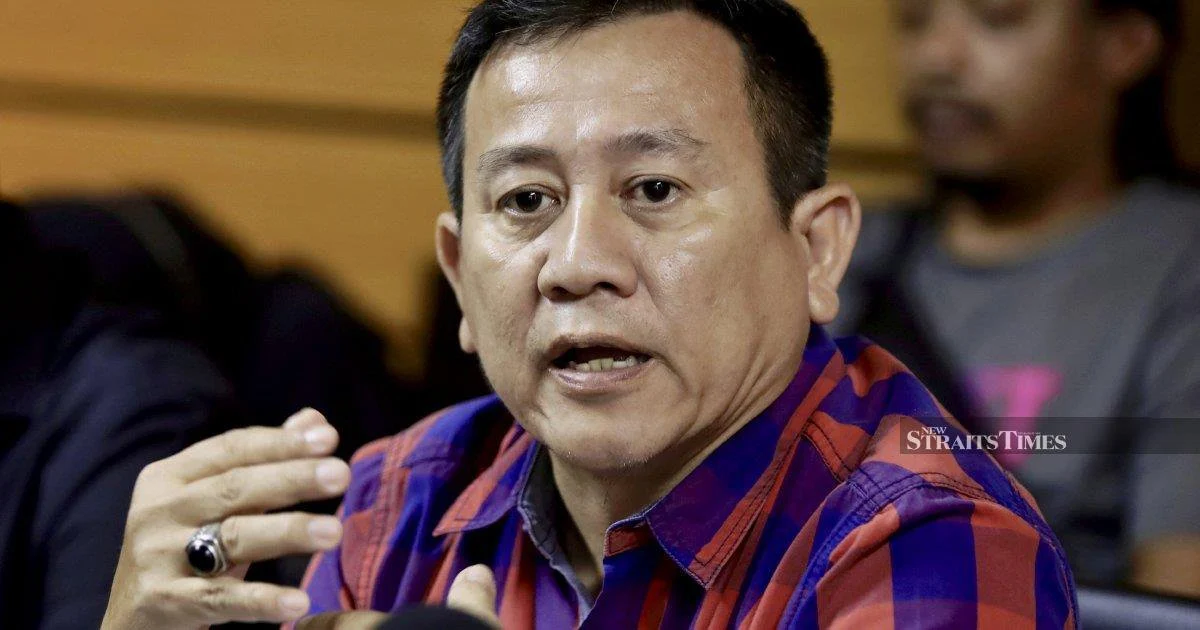
Bersatu has moved to reassert its foundational significance within the Perikatan Nasional (PN) coalition, deliberately repositioning itself as the architect of the political alliance during an increasingly fraught period of intra-coalition relations. The party's leadership has emphasised that the entire conceptual framework for PN originated from deliberations and strategic direction provided by Tan Sri Muhyiddin Yassin, signalling a clear attempt to establish hierarchical legitimacy within the broader partnership.
The reassertion comes against a backdrop of mounting friction between Bersatu and its coalition partner PAS, suggesting deeper structural tensions within PN that extend beyond routine political disagreements. By invoking the historical record of the coalition's establishment, Bersatu appears to be staking a claim to decisive influence and decision-making authority, effectively countering any narrative that might position it as subordinate to other coalition members. This historical recalibration serves as both a defensive posture and an offensive framing of internal negotiations.
The emphasis on Muhyiddin's intellectual and political leadership in conceptualising PN reflects Bersatu's broader strategy of tethering its organisational identity to his vision and legacy. For Malaysian observers familiar with the coalition's trajectory since its formation, this framing resurrects memories of a period when PN represented a significant realignment in national politics, offering an alternative configuration to the dominant Barisan Nasional structure. The invocation of founding principles often signals that a party believes core understandings are being violated or overlooked by coalition partners.
PAS's ascendant role within PN, particularly following the 2023 general election outcomes and subsequent political developments, appears to have prompted Bersatu's reassertion. The Islamist party's electoral performance and expanding organisational reach across multiple states have created a new political calculus within the coalition, potentially diminishing Bersatu's relative influence and prestige. By returning to foundational narratives, Bersatu seeks to rebalance perceptions of authority and significance within the partnership.
The timing of this statement carries implications for PN's internal cohesion and stability. Coalition partnerships in Malaysian politics require constant negotiation and mutual recognition of respective contributions and standing. When one partner moves to explicitly redefine historical narratives, it typically signals that routine consultation mechanisms have either broken down or are producing unsatisfactory outcomes for that partner. Bersatu's invocation of origin stories suggests that peripheral concerns have accumulated into broader concerns about recognition and respect.
From a Southeast Asian perspective, the machinations within PN reflect broader patterns visible across the region's coalition politics. Political alliances constructed around pragmatic rather than ideological grounds frequently encounter sustainability challenges when the original strategic calculations shift. Bersatu's recourse to historical claims about founding authority demonstrates a common pattern where parties attempt to leverage residual legitimacy when contemporaneous power dynamics shift unfavourably.
The relationship between Bersatu and PAS extends beyond factional competition for influence. The two parties occupy different spaces within Malaysia's political spectrum, with PAS maintaining its Islamic credentials and grassroots Islamic consciousness whilst Bersatu presents itself as a multiethnic alternative to BN. These fundamental identity differences occasionally create friction when coalition responsibilities require unified positioning on sectarian or communal issues. Bersatu's assertion of foundational authority may implicitly seek to constrain PAS's freedom of action on matters where the Islamist party's instincts might diverge from broader coalition interests.
The invocation of Muhyiddin's role carries particular weight given his trajectory through Malaysian politics. His transition from UMNO to founding Bersatu, coupled with his service as Prime Minister during the PN government period, established him as a significant political figure despite subsequent electoral setbacks. When Bersatu reminds coalition partners of his foundational contributions, it simultaneously rehabilitates his political standing and asserts Bersatu's claims to institutional memory and authoritative direction within the alliance.
For observers tracking Malaysian coalition dynamics, this dispute illuminates the persistent challenge of constructing durable political partnerships absent shared ideological foundations. PN was conceived as a practical alternative to BN hegemony, attracting diverse parties motivated by varying combinations of electoral opportunity, personal ambition, and policy disagreement with competitors. Once electoral circumstances change or individual parties perceive improved alternatives, these pragmatic foundations become insufficient to maintain equilibrium. Bersatu's reassertion of founding principles represents an attempt to reinvigorate these original understandings before they erode further.
The broader implications for Malaysian politics extend to questions about PN's long-term viability as a coalition structure. Should tensions between Bersatu and PAS intensify beyond current displays of competitive positioning, external observers might question whether the alliance can sustain sufficient internal discipline for effective governance or electoral coordination. The coalition's capacity to present unified positions on major national issues depends substantially on maintaining functional relationships between its largest components.
Historically, Malaysian political coalitions have survived considerable internal strain through patient negotiation and acceptance of hierarchical arrangements that grant particular partners preponderant influence over specific portfolios or constituencies. Whether PN can replicate these stabilising mechanisms whilst accommodating both Bersatu's asserted foundational role and PAS's accumulated electoral influence remains an open question. The current reassertion of historical claims suggests these stabilising mechanisms may require reinforcement.

