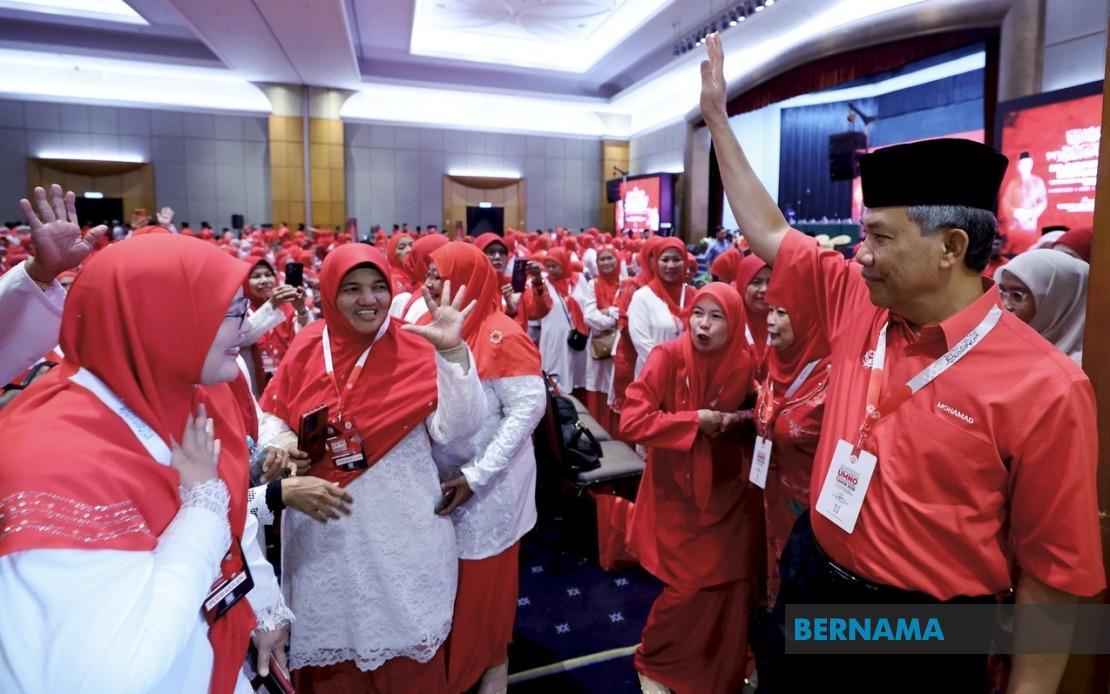
Barisan Nasional appears poised to abandon its longstanding practice of automatically allocating the same constituencies to its component parties in the upcoming Negeri Sembilan state election, signalling a strategic shift driven by evolving electoral dynamics. Datuk Seri Mohamad Hasan, the BN deputy chairman and Negeri Sembilan BN chief, revealed the coalition is prepared to reconsider its traditional seat distribution model after analysing how voter composition has transformed across the state's constituencies.
The impetus for this potential overhaul stems from a recognition that rigid adherence to historical seat allocations no longer serves BN's competitive interests. Mohamad explained that the current approach, whereby certain constituencies are automatically assigned to particular coalition partners regardless of changing circumstances, limits both the coalition's flexibility and voters' meaningful choice. By maintaining the same party in the same seat across election cycles, BN risks forfeiting opportunities in areas where demographic shifts or electoral trends might favour different coalition members with stronger local appeal or campaign momentum.
The proposed seat-swapping mechanism reflects a more sophisticated approach to coalition management, acknowledging that demographic realities on the ground have shifted substantially since earlier elections. Rather than defaulting to "seats 1, 2, 3, 4 are yours" arrangements, BN intends to conduct detailed assessments of each constituency's voter profile and support patterns. This granular analysis aims to position coalition partners in seats where they possess genuine competitive advantages, theoretically maximizing the coalition's overall seat count while distributing contests more equitably among component parties.
However, any reconfiguration remains subject to approval by the BN Supreme Council at the national level, indicating that Negeri Sembilan's reorganization, while locally driven, must align with broader coalition strategy. Mohamad underscored that division chiefs have been instructed to submit multiple candidate nominations—at least three per constituency—following established procedures. This expanded candidate pool provides the central authority with sufficient options when making final determinations about both seat allocation and nominee selection.
The timeline for these decisions has compressed significantly. BN intends to announce its complete slate of candidates on July 15, coinciding with the formal launch of its election machinery, leaving relatively little time for internal consensus-building. Given that the Election Commission scheduled polling for August 1, with nominations on July 18 and early voting between those dates, the coalition faces a narrow window for resolving any lingering disputes over seat distribution without disrupting campaign preparations.
Modifying traditional seat arrangements carries inherent risks that BN appears willing to navigate. The coalition's past experience has demonstrated that internal friction over candidate selection and seat allocation can prove devastating, with several constituencies lost previously due to sabotage or demoralisation among party members. Mohamad cautioned that avoiding internal disputes is essential, implying that the leadership recognizes how factional tensions could undermine campaign effectiveness across the state. The seat-swap approach, if perceived as fair and meritocratic, might actually reduce grievances by creating genuine competition for nominations rather than entrenching expectations.
Mohamad himself exemplifies the uncertainty surrounding the new allocation system. Although he has represented the Rantau state seat since 2004, he neither confirmed nor ruled out contesting the same constituency again. His response—deferring the decision to party leadership—signals that even senior figures cannot assume automatic renomination under the revised framework. This unpredictability, while potentially unsettling internally, reinforces the message that seat distribution decisions will prioritize electoral viability over seniority or historical entitlement.
For Negeri Sembilan specifically, the restructuring initiative addresses a genuine challenge: the state has experienced notable population movement and demographic change over the past decade. Urban areas have expanded, rural constituencies have shifted in character, and voter preferences have evolved in response to national political developments. A coalition seat-allocation model that fails to account for these transformations risks fielding candidates in constituencies where they lack natural support or where alternative coalition partners might perform better.
The implications of this approach extend beyond Negeri Sembilan's boundaries. If BN successfully implements and profits from its constituency reorganization in this state election, the model could influence how the coalition approaches seat distribution in future electoral contests elsewhere. Conversely, if internal tensions over the new system damage BN's performance in Negeri Sembilan, other state branches may resist similar measures. The August 1 election will therefore serve as a test case for coalition flexibility and modernized seat allocation strategies within Malaysia's broader political landscape.

