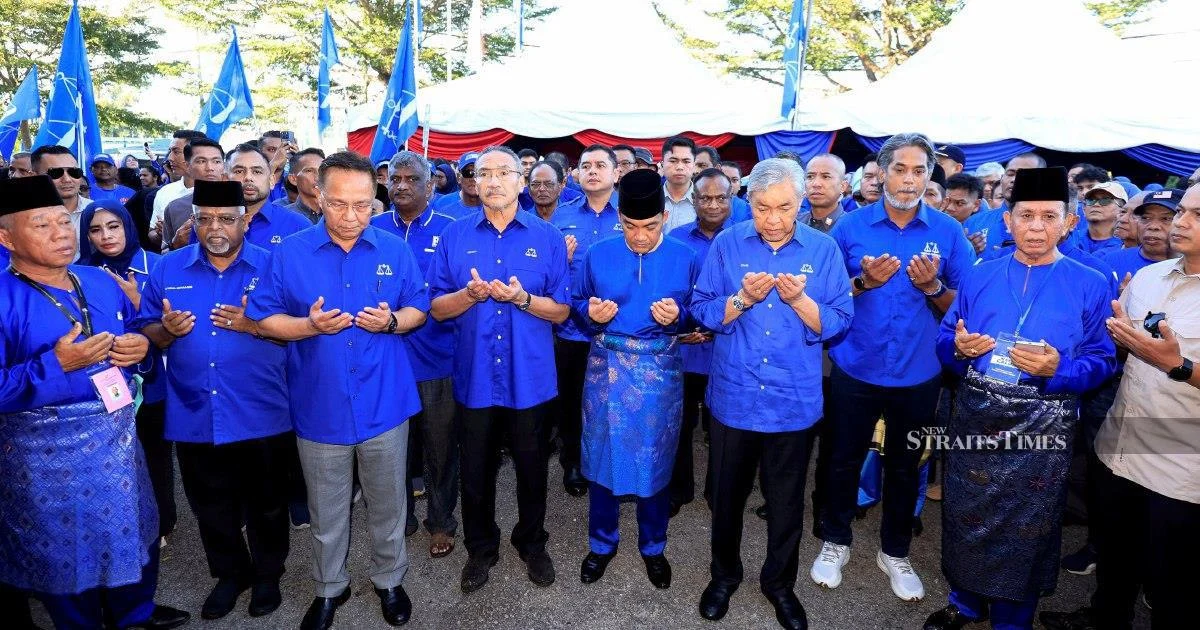
The appearance of senior Barisan Nasional figures at Simpang Renggam District Council marked a significant show of force by the long-governing coalition as it seeks to consolidate support for Datuk Onn Hafiz Ghazi's electoral ambitions in Johor. The gathering brought together some of BN's most influential party machinery and personalities, a calculated move that conveyed both unity and determination to maintain the coalition's traditional stronghold in the southern state.
Johor's political fortunes carry outsized importance for Malaysia's broader governance landscape. As one of the nation's largest and most economically influential states, the territory has long served as a reliable BN bastion. Any erosion of support here would send reverberations through the federal government's stability and legislative calculations. The mobilisation of senior party figures suggests that BN leadership recognises the necessity of projecting confidence and coherence around their chosen champion for the state.
Datuk Onn Hafiz Ghazi's position as the focal point for BN's Johor campaign reflects both his standing within the party structure and the coalition's belief that he represents their best electoral prospect. The deliberate gathering of party heavyweights at the district council served multiple strategic purposes: it demonstrated internal cohesion around the leadership's selection, sent a clear signal to wavering voters about party confidence, and provided opportunities for senior figures to engage directly with local communities and organisational structures.
The timing of such public endorsements carries particular weight in Malaysian electoral contexts. When senior political personalities make themselves visible in support of a candidate, they effectively stake their own credibility on that individual's success. This represents a significant commitment that goes beyond mere rhetoric. It signals to party members, rival camps, and the electorate that these figures have already assessed the political terrain and calculated that their participation enhances rather than diminishes their own standing.
BN's coalition structure, which historically incorporates diverse ethnic and ideological components, requires careful management to maintain unity. When the party's most recognisable faces congregate behind a single candidate or electoral strategy, it typically indicates that the broader coalition machinery has reached consensus on that direction. This becomes particularly important in multiethnic Johor, where different communities within BN's support base need reassurance that their interests remain protected and that leadership decisions reflect broader consultation rather than factional dominance.
The district-level venue for this gathering suggests that BN is paying attention to grassroots organisation and community engagement, rather than relying solely on high-level announcements. Simpang Renggam represents the granular level of Malaysian politics where votes are ultimately secured through personal relationships, service delivery, and demonstrated attentiveness to local concerns. The presence of senior figures at this level sends a message that Johor remains a priority for party leadership and that resources and attention will be directed accordingly.
For Malaysian readers, particularly those in Johor, such displays of party unity carry practical implications. They typically presage intensified campaign activity, increased government responsiveness on development projects, and enhanced visibility from political representatives. The convergence of BN's senior figures also sets expectations for the intensity of electioneering that will follow, suggesting that the coalition intends to wage a vigorous campaign rather than approaching the election with complacency.
From a Southeast Asian perspective, BN's positioning in Johor relates to broader questions about political stability and continuity in Malaysia's governance. Johor's role as both an economic engine and a significant source of federal parliamentary seats means that developments here influence regional economic confidence and investor sentiment. Malaysia's continued relevance as a regional economic player depends partly on political predictability, which in turn depends on established players maintaining their bases of support.
The show of support for Datuk Onn Hafiz Ghazi also reflects calculations about succession and leadership transition within BN. By consolidating party machinery behind a particular individual, senior figures are effectively endorsing that person's trajectory and indicating expectations about future roles and responsibilities. This becomes particularly significant in Malaysian politics, where questions of who ascends to prominence often preoccupy political watchers and influence broader coalition dynamics.
The gathering underscores BN's continuing investment in traditional modes of political operation and organisation. While Malaysian electoral politics has undergone significant transformation in recent years, the coalition's reliance on structured, coordinated displays of leadership support demonstrates the enduring importance of what might be termed the institutional face of politics—where formal hierarchies, party discipline, and coordinated messaging remain central to electoral strategy.
As Johor's political calendar progresses, these early demonstrations of party unity will likely establish the baseline for campaign intensity and the sophistication of BN's electoral machinery. The appearance of heavyweights in support of Datuk Onn Hafiz Ghazi signals that the coalition intends to compete vigorously and comprehensively, leveraging both its established organisational advantages and the visibility of its senior personalities to maintain its traditional dominance in this strategically vital state.

