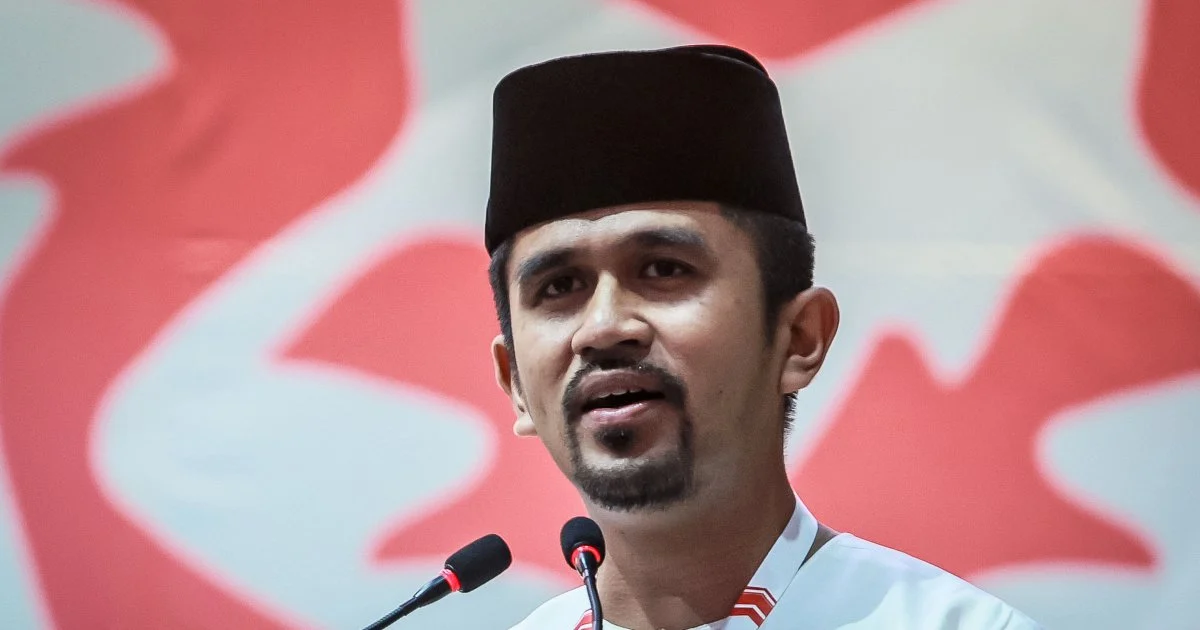
The absence of several key Johor Pakatan Harapan figures from the opposition coalition's candidate roster for July 11 has become a talking point in state political circles, with Barisan Nasional and Umno Youth secretary-general Hafiz Ariffin raising pointed questions about the omissions.
Hafiz's remarks signal deepening scrutiny of PH's electoral strategy in Johor, one of Malaysia's most politically significant states. The queries touch on internal dynamics within the opposition alliance and raise broader questions about how PH is positioning itself ahead of a critical electoral test. Johor remains a traditional BN stronghold, though PH has made inroads in recent years, making the selection of candidates a strategically consequential decision.
The decision to sideline certain senior PH personalities inevitably invites speculation about party discipline, candidate viability, and the coalition's assessment of individual appeal in various constituencies. When prominent political figures are absent from an election slate, observers naturally wonder whether this reflects confidence issues, internal disagreements over direction, or strategic calculations about electability in specific areas.
For Malaysian voters, particularly those in Johor, such absences can create uncertainty about a party's commitment to representation and whether experienced leaders are being deployed where they can make the most impact. The presence or absence of recognizable figures often shapes voter perception and campaign momentum, especially in state elections where constituency-level politics tend to be more personalised than national contests.
Youth wings like Umno Youth have traditionally served as vocal critics of opposition decisions, viewing such scrutiny as part of legitimate political competition. Hafiz's questioning represents standard Opposition-era tactical engagement, designed to highlight perceived weaknesses in PH's campaign approach. However, such challenges also reflect genuine interest in understanding how rival coalitions make their strategic choices during election periods.
PH's candidate selection for Johor likely involved complex calculations involving party strength in various constituencies, individual politician popularity, factional interests within the coalition's component parties, and national strategic considerations. The July 11 state election represents an opportunity for PH to consolidate or expand presence in a state where BN has historically dominated, making candidate choices particularly weighty.
The exclusion of prominent figures can sometimes indicate that PH leadership believes these individuals would be better deployed elsewhere—perhaps in other states where the party faces tighter contests, or in party-building roles outside electoral campaigning. Alternatively, it may suggest that certain personalities faced internal opposition from coalition partners or that their personal circumstances made candidacy inadvisable at this particular juncture.
From a Malaysian electoral perspective, questions about candidate selection highlight how opposition coalitions must balance multiple pressures when assembling contest tickets. Each position represents not just a personal opportunity but a strategic decision with implications for overall campaign performance, message coherence, and post-election governance dynamics.
Johor's electoral significance extends beyond state politics; the state has long been considered a barometer for national sentiment. BN's traditional dominance there has been tested in recent elections, and how PH contests this election will provide important signals about opposition trajectory and coalition stability going forward. Candidate selection becomes a proxy for broader questions about coalition cohesion and political strategy.
The timing of such queries from BN Youth also reflects election season dynamics, where rival coalitions actively probe each other's decisions and vulnerabilities. These public challenges serve multiple purposes: they provide talking points for campaign messaging, they test how opposition parties respond to scrutiny, and they sometimes expose internal frictions within coalitions that voters might not otherwise perceive.
For PH, responding effectively to questions about its candidate slate requires explaining the strategic logic behind selections without appearing defensive or admitting to problems that don't exist. The coalition must convince voters that its chosen candidates represent the strongest possible team for winning seats and delivering governance, while those excluded remain valued party members with roles to play elsewhere.
The broader pattern of candidate selection controversies across Malaysian elections reflects how intensely political parties compete over symbolic representation. Who candidates become becomes who the party is perceived to be, making these seemingly technical decisions into matters with genuine political weight. Hafiz's questions will likely persist as the July 11 campaign develops, keeping attention focused on PH's strategic calculations and overall campaign readiness.

