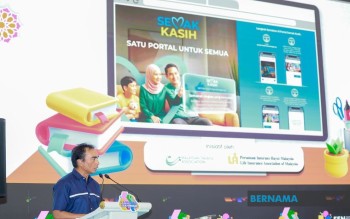
Bank Negara Malaysia (BNM) has introduced a dedicated online portal called 'Semak Kasih' designed to assist beneficiaries in identifying unclaimed insurance policies and takaful certificates belonging to their family members. The initiative, launched at the Terengganu Financial Literacy Carnival in Kuala Terengganu, addresses a significant gap in Malaysia's financial safety net where substantial death benefits remain unclaimed due to lack of awareness or difficulty in locating coverage details.
According to joint estimates from the Life Insurance Association of Malaysia (LIAM) and the Malaysian Takaful Association (MTA), approximately 50,000 insurance policies and takaful certificates involving death benefits have not yet been claimed by rightful beneficiaries. This represents a considerable sum of money that could provide critical financial support to families during periods of grief and financial strain. BNM Deputy Governor Adnan Zaylani Mohamad Zahid emphasised during the launch that many Malaysian families remain unaware their loved ones had purchased protection plans before passing away, effectively leaving money on the table when families need it most.
The Semak Kasih portal streamlines the process of verifying coverage and connecting beneficiaries with the appropriate insurance or takaful providers. Rather than relying on traditional notification methods such as postal letters or agent visits—efforts that have proven inconsistent in reaching all eligible families—the digital platform centralises information and enables self-service verification. This technological approach recognises that modern Malaysians increasingly prefer online solutions for financial matters and reduces administrative friction that may have previously discouraged claims.
For Malaysian families, the implications are substantial. Insurance and takaful protection serves critical functions beyond simple wealth accumulation. During emergencies such as serious illness requiring expensive treatment, property damage from fire, or unexpected accidents, these benefits can mean the difference between financial stability and severe hardship. The protection extends beyond the policyholder, explicitly designed to safeguard the welfare of surviving dependents. Yet many families are unaware of existing coverage, effectively negating the protection that was purchased at considerable expense over many years.
Adnan Zaylani highlighted that BNM views this initiative as part of a broader national effort to strengthen financial resilience amid challenging economic conditions. The rising cost of living and economic uncertainties affecting the region make it increasingly important that Malaysians utilise all available financial protection mechanisms. Enhanced access to forgotten benefits complements broader financial literacy initiatives aimed at helping Malaysians make informed decisions about insurance, savings, and investment throughout their lives.
Beyond the Semak Kasih portal, BNM has demonstrated commitment to financial inclusion through multiple channels. The central bank continues supporting micro, small, and medium enterprises (MSMEs) with financing schemes offering microloans up to RM100,000 without requiring guarantors or collateral—addressing a persistent barrier for small businesses seeking capital. Additionally, BNM allocated RM5 billion under the SME Stabilisation Relief Facility to assist companies affected by the West Asia conflict, providing working capital financing of up to RM750,000 for affected enterprises.
The iTekad initiative represents another prong of BNM's approach to financial empowerment. Having benefited more than 14,000 participants nationwide—including approximately 600 in Terengganu—the programme focuses on raising incomes and improving living standards through practical financial skills training. Such programmes recognise that financial security requires not only access to products like insurance and credit but also the knowledge and confidence to use them effectively.
Adnan Zaylani cautioned that while digital financial services offer tremendous economic opportunities, they simultaneously introduce new risks requiring public vigilance. Research presented during the carnival revealed concerning trends: approximately 37 per cent of Malaysians acknowledge making impulsive online purchases, while 26 per cent report struggling with excessive debt burdens. These statistics suggest that financial education must evolve alongside technological adoption, ensuring citizens develop the discipline and decision-making skills necessary in an increasingly complex financial landscape.
The Financial Education Forum (FEN) initiative attempts to address this gap by creating inclusive, user-friendly financial education resources accessible across society, including support for persons with disabilities. BNM is collaborating with universities such as Universiti Malaysia Terengganu to embed financial management education into student curricula, preparing future workers to enter employment with foundational knowledge about savings, budgeting, and protection mechanisms. Initiatives like the MyDuitStory competition further encourage younger Malaysians to develop healthy financial habits from an early age.
Adnan Zaylani emphasised that consistent saving from youth produces compounding benefits extending throughout life, building long-term financial security that can weather economic uncertainties. While Malaysians cannot control global economic conditions or technological disruption, daily financial decisions remain within individual control. The Semak Kasih portal thus represents more than a bureaucratic convenience—it embodies BNM's philosophy that financial security emerges from combining access to appropriate products, institutional support, and citizen education that enables prudent decision-making.
For Malaysian readers navigating economic challenges, the Semak Kasih launch offers immediate practical value: families should check the portal to determine whether deceased relatives left unclaimed benefits. Beyond this immediate action, the initiative reflects broader recognition that financial protection through insurance and takaful represents essential infrastructure for household security in Southeast Asia's dynamic and sometimes volatile economic environment. Combining digital tools with financial literacy programmes positions Malaysia to build more resilient households capable of managing the rising costs and uncertainties characterising contemporary economic life.

