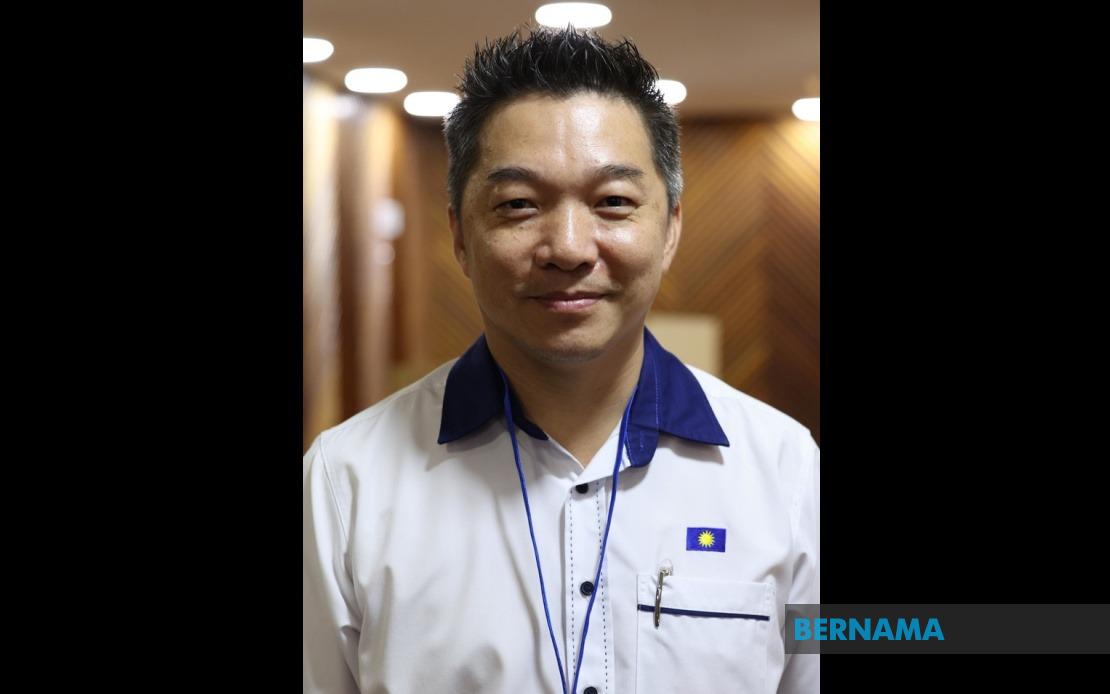
The Stulang constituency race is taking shape as a competitive four-way contest, with Barisan Nasional's Bong Seng Heng positioning himself as the candidate best equipped to serve the district through direct community engagement and proven administrative experience. Speaking to reporters at a campaign event in Johor Bahru on June 30, the MCA division chief stressed that his tenure on the Johor Bahru City Council has furnished him with intimate knowledge of local challenges and strengthened his relationships with shopkeepers, traders, and business operators across the area.
The emphasis on grassroots experience reflects a calculated campaign strategy aimed at swaying voters who value practical, hands-on leadership. Rather than relying solely on party machinery or broader national messaging, Bong is building his narrative around incremental problem-solving and accessibility. His four years as a MBJB councillor have positioned him to speak with specificity about drainage issues, street cleanliness, market conditions, and the day-to-day infrastructure concerns that matter to ordinary households and small-business owners in Stulang. This localized approach contrasts sharply with the broader "Maju Johor" development agenda championed by Menteri Besar Datuk Onn Hafiz Ghazi, which Bong invokes to anchor his campaign to state-level initiatives while simultaneously emphasizing his personal commitment to be available and responsive.
Bong's remarks on the need for a "people-first mindset" and continuous ground presence signal awareness that voter loyalty in urban constituencies like Stulang cannot be assumed. The Stulang seat, which encompasses parts of Johor Bahru city, is home to a diverse electorate comprising professionals, merchants, and long-established residential communities. Each segment has distinct priorities: hawkers and shopkeepers focus on regulatory and operational issues; residents in older suburbs like Taman Pelangi seek infrastructure upkeep and safety; younger, middle-class voters increasingly expect digital services and efficient governance. By explicitly pledging to "listen to residents' concerns and resolve their problems through a continuous and consistent approach," Bong is attempting to project reliability and attentiveness—qualities that can accumulate into voter trust over time.
The entry of Parti Bersama Malaysia into the contest adds an unpredictable element to the race. Bong's characterization of BERSAMA as "quite new" and "less than three months old" is both factually accurate and strategically pointed. A nascent party with limited organizational depth and no track record in Johor state politics carries inherent disadvantages: it lacks a developed ground network, established relationships with community leaders, and a clear policy platform that resonates with local voters. Nevertheless, BERSAMA's presence could fragment the anti-establishment vote or appeal to voters fatigued by traditional parties. Bong's magnanimous framing of the competition as "healthy democratic competition" and his call for "fair competition" and voter choice serve multiple purposes: they position him as confident in his own standing, demonstrate respect for the democratic process, and subtly undercut BERSAMA by implying its newness makes it an uncertain bet.
The four-cornered contest also features incumbent Andrew Chen Kah Eng of Pakatan Harapan's DAP component and Stanley Tan representing the Perikatan Nasional-aligned Bersatu party. This lineup reflects the fragmentation of Malaysia's political landscape post-2022, where no single coalition dominates every contest. Andrew Chen's incumbency carries both advantages and vulnerabilities: he brings name recognition and a record of service, but also faces the burden of defending his track record against challenger criticism. The PN-Bersatu candidate likely appeals to Malay-Muslim voters concerned about religious and identity issues, while DAP traditionally retains support among non-Muslim communities and younger, urban-oriented voters. Bong's MCA positioning places him in a centrist, multiracial camp that has historically performed well in mixed constituencies by appealing to business communities and pragmatic voters seeking stable, development-focused governance.
The broader context of the Johor state election, scheduled for July 11, adds urgency to Bong's campaign. With 172 candidates contesting across the state and early voting set for July 7, the compressed timeline means ground mobilization, media visibility, and voter contact are intensifying. For BN, retaining Stulang is strategically important both symbolically and numerically—Stulang is a winnable urban seat where the party's traditional coalition strength should hold, but complacency or weak candidate performance could invite an upset. The Maju Johor agenda, which encompasses infrastructure, economic development, and institutional reform under Chief Minister Onn Hafiz, provides Bong with a broader narrative to anchor local promises. However, voters will ultimately judge Bong on whether he has meaningfully addressed their concerns as a councillor and whether his proposed continued service offers genuine improvement.
Bong's emphasis on MCA backing and BN machinery is significant in Malaysian electoral politics, where party organization and campaign resources often determine campaign intensity and reach. MCA's presence in Stulang, coupled with BN's administrative control at state and federal levels, grants Bong access to funding, volunteer networks, and strategic visibility that independent candidates or representatives of newer parties cannot easily replicate. Yet this organizational advantage can also become a liability if voters perceive Bong as a mere party functionary rather than an independent advocate for their interests. His repeated assertion that he brings "a people-first mindset" and is "ready to serve" seems designed to counter perceptions of top-down party control and position him as a genuine community servant.
The campaign dynamics in Stulang will ultimately hinge on voter perceptions of competence, accessibility, and alignment with local priorities. Bong's strategy of foregrounding his councillor experience makes sense given MCA's traditional coalition base and the multiracial, economically mixed composition of the constituency. His willingness to acknowledge BERSAMA's participation without dismissiveness demonstrates political maturity, though his subtle point about the party's novelty may resonate with risk-averse voters who prefer established political actors. The July 11 election will reveal whether Bong's localized, service-oriented approach and connection to the Maju Johor vision prove persuasive to Stulang voters or whether anti-establishment sentiment, incumbent strength, or competition from other quarters shifts the outcome.

