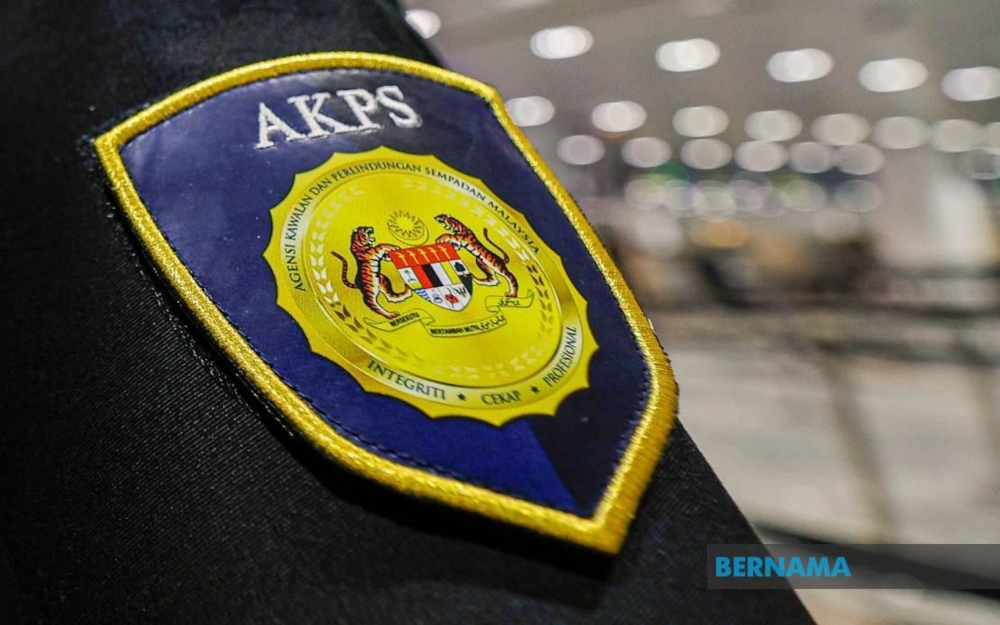
The Malaysian Border Control and Protection Agency (AKPS) has commenced an internal inquiry into allegations that an officer stationed at Kuala Lumpur International Airport 2 (KLIA 2) accepted a RM100 payment transferred via a personal QR code, according to a statement released on July 13 in Sepang. The case represents a concerning intersection of modernised payment infrastructure and potential misconduct, signalling how digital transaction methods may create fresh opportunities for impropriety if not properly monitored.
The specifics of how the alleged transaction occurred remain under examination, but the use of a personal QR code—rather than official airport payment channels—suggests a deliberate attempt to circumvent standard accountability procedures. This distinction matters considerably. While Malaysia has enthusiastically embraced digital payment systems including QR codes for legitimate commerce and government services, the exploitation of such technology to facilitate undisclosed transfers demonstrates how regulatory frameworks must evolve alongside consumer adoption. The borderless nature of digital payments means that traditional surveillance mechanisms designed for physical money exchanges may prove inadequate.
AKPS, which oversees border management and immigration enforcement at Malaysia's entry and exit points, faces particular pressure to maintain integrity standards. Officers working at major international gateways like KLIA 2 exercise significant discretionary authority over passenger processing, document verification, and luggage screening. Any perception that such powers are wielded corruptly—or that officers can be influenced through undisclosed payments—undermines public confidence in border security and the nation's reputation as a well-governed transit hub. The alleged incident, if substantiated, would represent a breach of the trust placed in personnel responsible for protecting the country's borders.
The investigation's scope likely extends beyond determining whether the payment was made to examining the broader context: what service or favour was allegedly requested in exchange, whether systemic vulnerabilities enabled the approach, and if similar patterns exist involving other officers or locations. AKPS will need to trace the digital trail of the transaction, identify the parties involved, and assess whether established anti-corruption protocols were followed. Given Malaysia's ongoing efforts to combat graft across the civil service, this case will be scrutinised as a litmus test of the agency's commitment to swift, transparent accountability.
The choice of QR code payment carries particular significance in Malaysia's contemporary context. Mobile payment adoption has soared across the country, with platforms like GrabPay, Touch 'n Go eWallet, and bank-specific apps becoming ubiquitous. These systems offer genuine convenience for consumers and legitimate merchants, but the anonymity and speed they provide also make them attractive for those seeking to obscure financial impropriety. The alleged RM100 transfer—a modest sum that might appear innocuous individually—could indicate either a small-scale transaction or the first instalment in a broader corrupt arrangement. Either scenario warrants investigation.
For Malaysian travellers and international visitors, the incident highlights potential vulnerabilities in airport operations. KLIA 2, as the nation's second-largest international gateway, processes hundreds of thousands of passengers monthly. The integrity of its officers directly affects the experience and security of this traffic. An officer open to accepting payments might, theoretically, expedite processing for paying passengers, overlook documentation irregularities, or provide advance warning of security checks. Such conduct would not merely constitute personal corruption; it could facilitate security breaches or the smuggling of prohibited goods. The implications extend well beyond a single transaction.
The broader institutional context matters significantly. Malaysia has implemented various anti-corruption measures in recent years, from the Malaysian Anti-Corruption Commission's strengthened enforcement activities to internal agency audits and digital governance improvements. However, the decentralised nature of border operations—with multiple agencies and thousands of personnel working across numerous checkpoints—creates inherent challenges for oversight. The alleged KLIA 2 incident suggests that despite centralised policy directives, vigilance at the operational level remains critical.
From a regional perspective, corruption at major border facilities affects not only Malaysia but the entire Southeast Asian travel and trade ecosystem. KLIA 2 serves as a gateway not just for Malaysian citizens but for regional and international passengers whose trust in Malaysian border administration influences their confidence in the country as a destination and business hub. Singapore, Thailand, and other regional competitors maintain stringent standards partly to preserve reputational advantages. Any perception that Malaysia's borders are permeable to corruption could influence investment decisions and tourism flows.
The investigation's outcome will likely influence how AKPS and related agencies approach financial controls going forward. Training protocols may be revised to address digital payment vulnerabilities, oversight mechanisms could be strengthened, and whistleblower protections may be enhanced to encourage reporting of misconduct. Additionally, this case may prompt a broader audit of payment practices across Malaysian airports and border facilities to identify whether the alleged incident represents an isolated lapse or symptomatic of systemic gaps.
Moving forward, the transparency with which AKPS handles this investigation will be closely watched. A thorough, impartial probe that leads to appropriate disciplinary or legal action—if wrongdoing is confirmed—would reinforce the message that the agency takes integrity seriously. Conversely, any perception that the investigation is perfunctory or outcomes are predetermined could deepen public cynicism about institutional accountability. As Malaysia continues modernising its border infrastructure and payment systems, ensuring that technological advancement is matched by equally robust oversight remains essential for maintaining public confidence and operational effectiveness.

