Brazil's passage to the knockout stages of the 2026 FIFA World Cup came down to a single moment of brilliance in injury time, as the five-time champions survived a stern examination from Japan to win 2-1 at Houston Stadium in the United States. The match at what would have been a crucial venue for American football provided the backdrop for a drama that encapsulated the unpredictability of modern tournament football, where even the world's strongest teams must negotiate tests from determined opponents willing to embrace defensive discipline and tactical organisation.
Japan's gameplan throughout the opening 45 minutes was a masterclass in pragmatism. The Samurai Blue, deploying a 5-4-1 formation, suffocated the spaces that typically allow Brazilian attacking talent to flourish. By crowding the backline and disciplining their shape across the pitch, the Japanese effectively negated Brazil's possession-based approach, preventing the kind of width and penetration that has long defined the Selecao's style. Brazil controlled the ball for extended periods but found themselves moving it sideways rather than forward, unable to generate the rhythm and tempo needed to unlock a defence that seemed to anticipate their movements.
The breakthrough for Japan arrived in the 29th minute through a sequence that rewarded their patience and intensity. Kaishu Sano intercepted a loose pass from Danilo, a moment of carelessness that exposed Brazil's vulnerability to the counter. The midfielder surged forward from the midfield before unleashing a composed strike from beyond the penalty area, a low effort that evaded the reach of goalkeeper Alisson. Sano's finish, his maiden goal at international level, represented more than just a fine piece of technical execution; it symbolised Japan's determination to compete on the grandest stage and their realistic ambition to secure a maiden knockout-round victory at a World Cup after decades of participation.
Japan's lead at half-time placed them within touching distance of a historic achievement. Under the management of Carlo Ancelotti, Brazil faced genuine adversity, a rarity for a nation accustomed to navigating tournament football with a certain degree of comfort. The Japanese had proven their discipline could withstand the Selecao's rhythm, and the composition required to hold a one-goal advantage for 45 additional minutes seemed well within their tactical grasp. Japan's supporters dared to believe that the script might deviate from the expected narrative.
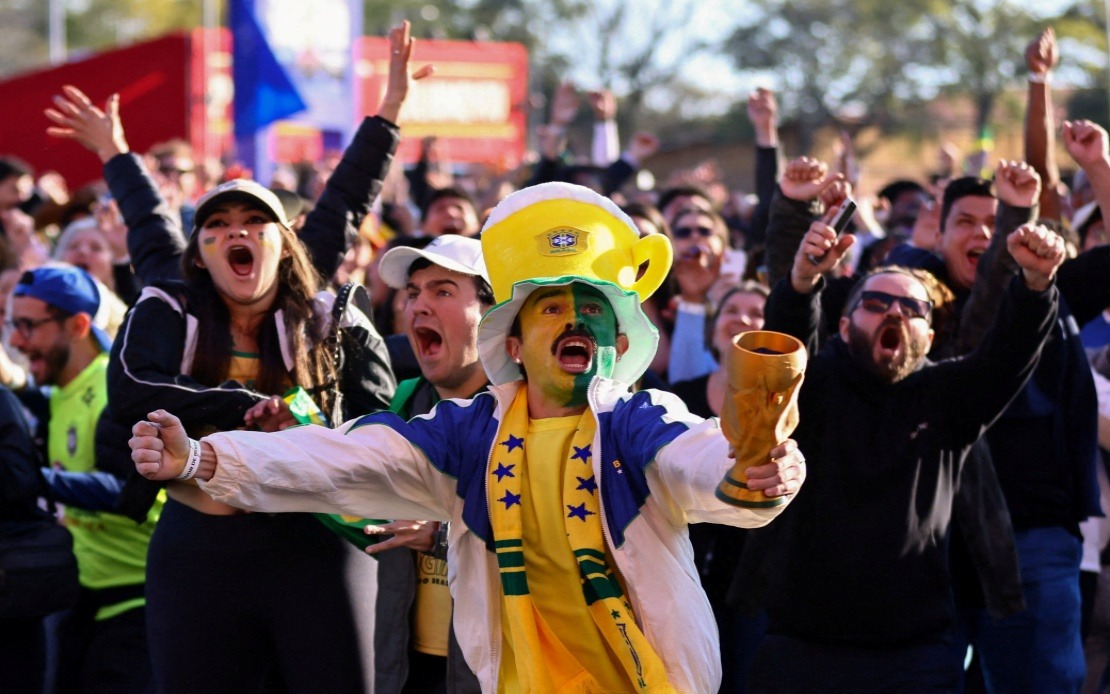
The second half witnessed a transformation in Brazil's intensity and directness. Emerging from the interval with renewed urgency, the five-time champions began exploiting the wider areas of the pitch more effectively, launching a succession of crosses into the penalty box designed to overwhelm Japan's defensive structure through aerial bombardment. This shift in approach bore fruit in the 56th minute when Casemiro rose at the back post to meet Gabriel Magalhaes' delivery, heading past goalkeeper Zion Suzuki to restore parity. The goal rekindled Brazilian confidence and reinvigorated the supporters gathered in Houston, signalling a shift in momentum that suggested the inevitable might yet occur.
With the match appearing destined for extra time, Brazil's experience and technical quality proved decisive in the game's final moments. During the fifth minute of injury time, Bruno Guimaraes advanced towards the penalty area before executing a pass of genuine precision to Gabriel Martinelli, who was positioned on the left wing. Martinelli's shot, though touched by Suzuki's fingertips, found sufficient power to squirm past the goalkeeper and into the net, delivering a knockout blow that ended Japan's tournament journey.
The late goal exemplified the fine margins that characterise modern football at the highest level. Japan had demonstrated that their defensive organisation and tactical discipline could compete with even the most accomplished attacking sides, yet ultimately they fell victim to the kind of individual brilliance and composure that elite teams manage to summon when circumstances demand it most. For Brazil, the victory validated their status as tournament contenders while masking vulnerabilities that better-prepared opponents might seek to exploit in the subsequent round.
Brazil's next obstacle emerges from the pairing of Norway and Ivory Coast, a fixture that will determine who faces the South American powerhouse in the Round of 16. The Selecao will carry lessons from this encounter into their preparation, understanding that complacency and mechanical football can expose them to tactical challenges regardless of their technical superiority. Japan, meanwhile, departs with considerable credit for their performance against one of world football's elite nations, having proven that the gap between established powers and emerging nations continues to narrow at tournament level.

