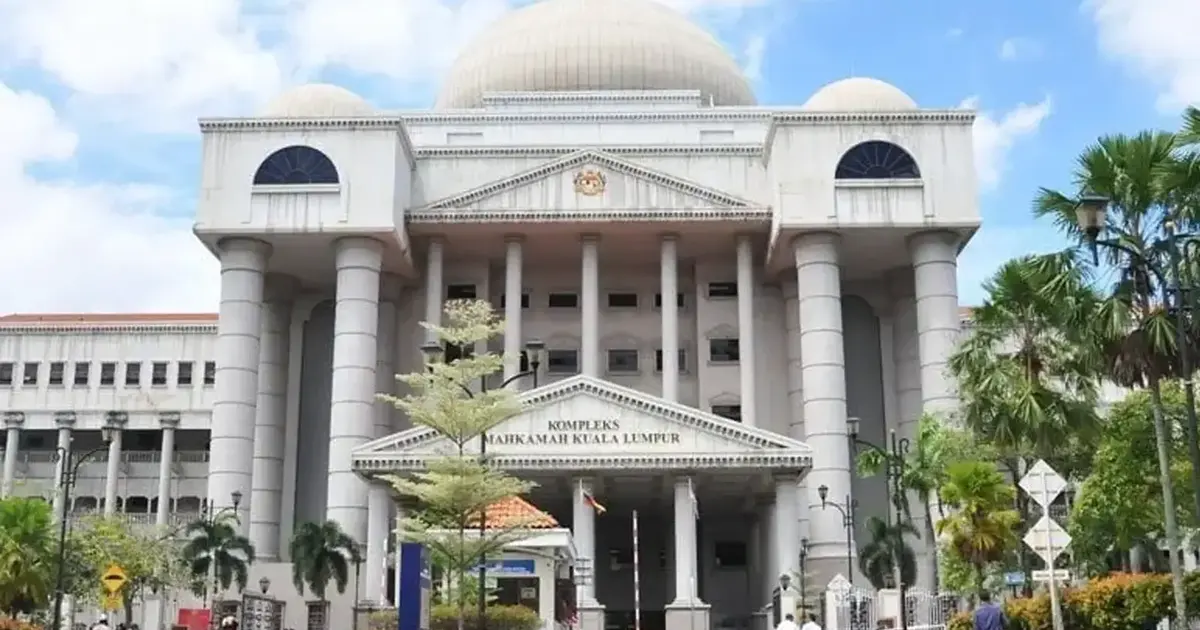
A High Court has ruled in favour of businessman Yeoh Ee Seong in a defamation case, awarding him RM400,000 in damages against Sin Chew Media Corporation Bhd. The judgment centres on a news report published by the Chinese-language daily that portrayed Yeoh as the orchestrator of a violent attack directed at a lawyer, claims he has consistently denied and which the court found to be damaging to his reputation and commercial standing.
The case reflects ongoing tensions between media organisations and public figures over the boundaries of fair reporting and responsible journalism in Malaysia. Yeoh's successful action against Sin Chew Media underscores the potential legal consequences when newspapers publish allegations that connect individuals to serious crimes without adequate substantiation or editorial safeguards. The RM400,000 award signals the judiciary's willingness to hold media outlets accountable when defamatory content causes demonstrable harm to a person's character and livelihood.
Defamation law in Malaysia operates within a complex framework that balances press freedom with individual protection against false statements. While media organisations enjoy considerable latitude in reporting matters of public interest, they remain bound by legal obligations to verify facts, distinguish between allegation and established truth, and avoid presenting speculation as documented fact. The court's decision suggests that Sin Chew Media's editorial processes fell short of these standards in this instance, particularly given the gravity of connecting someone to a criminal assault.
The businessman's legal victory carries implications for Malaysia's broader media landscape, where digital disruption and competitive pressures sometimes incentivise faster publication over thoroughness. News outlets operating across platforms must contend with demands for immediate reporting while maintaining journalistic integrity and legal compliance. This case demonstrates that speed cannot substitute for verification, especially when allegations involve criminal conduct that fundamentally affects a person's reputation.
Sin Chew Media Corporation, one of Malaysia's major Chinese-language newspapers with significant regional circulation, operates under scrutiny similar to other major news organisations. The defamation award represents a substantial financial penalty that will likely prompt industry-wide review of editorial policies and fact-checking procedures. For a media company with substantial resources, the judgment raises questions about how editorial standards were applied and whether internal review mechanisms failed before publication.
The legal dispute also highlights how assault cases can generate complex narratives where multiple parties may be implicated or suspected. Journalists reporting on criminal matters face the challenge of distinguishing between official investigations, police statements, and speculation within the legal community. Publishing an assumption as though it were established fact—that Yeoh masterminded the attack—crossed the threshold from reporting about the incident to making a false allegation against the businessman himself.
For Malaysian business leaders, the judgment provides reassurance that courts will provide recourse when media reports damage their reputations without factual foundation. This protective mechanism encourages entrepreneurs to maintain confidence in doing business in Malaysia, knowing that the legal system offers remedies when press coverage becomes defamatory. However, it also serves as a cautionary reminder that public prominence invites media scrutiny, and managing that scrutiny sometimes requires legal action.
The defamation award also resonates within Malaysia's legal profession, where security and safety concerns have periodically surfaced. An assault on a lawyer attracts significant professional interest and concern. When media organisations then implicate other parties in that assault without clear evidence, they add a secondary harm by potentially poisoning public perception and complicating legal investigations. The businessman's case demonstrates that such collateral damage warrants compensation when proven in court.
Looking forward, this judgment may influence how Chinese-language media in Malaysia approaches reporting on sensitive criminal matters and allegations against named individuals. Editorial policies may become more conservative, with stronger requirements for independent verification before publication. Some argue this promotes responsible journalism; critics contend it could inhibit investigative reporting on matters of genuine public concern. The balance between these competing interests remains contested terrain in Malaysian media law.
The RM400,000 award reflects both the seriousness of the defamatory statements and the measurable harm to Yeoh's reputation and business interests. Courts typically assess damages based on the gravity of the falsehood, the extent of publication, the defendant's conduct, and the plaintiff's loss. The magnitude of this award suggests the court found the allegations particularly damaging given their connection to criminal conduct and the newspaper's broad circulation and readership.
For Sin Chew Media, the judgment necessitates reflection on editorial governance, legal review processes, and training for journalists covering criminal matters. Whether the organisation appeals remains unclear, but the court's findings are unlikely to be overturned without substantial evidence of judicial error. The case will probably feature in journalism education and media law discussions across Southeast Asia, serving as a cautionary example of how publication decisions can trigger significant legal and financial consequences.
Meanwhile, Yeoh's vindication through the courts restores his public standing and compensates him for reputational injury. The judgment affirms that false allegations connecting someone to violent crime merit serious legal redress. As Malaysia's media landscape continues evolving amid digital transformation and increasing competition, cases like this remind stakeholders that press freedom and individual protection remain mutually compatible only when journalism maintains rigorous standards of accuracy and fairness.

