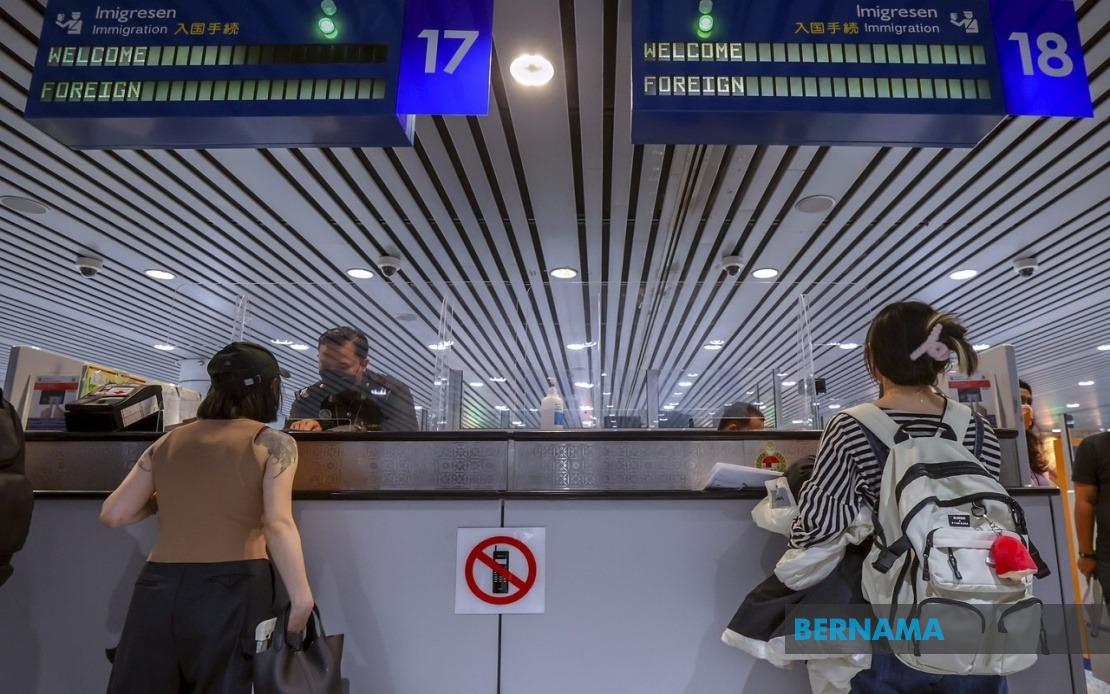
Malaysia's Cabinet has given its backing to a comprehensive 17-point security enhancement framework targeting Kuala Lumpur International Airport and the nation's other international gateways. The initiative, presented through a joint memorandum from the Home Ministry and Ministry of Transport, represents a coordinated governmental response to mounting security vulnerabilities that have emerged at the country's borders and aviation checkpoints in recent months.
The timing of this approval signals serious concern within government circles about control lapses at critical infrastructure. Recent high-profile incidents, notably the arrest of a Malaysian pilot discovered carrying approximately 25 kilogrammes of MDMA at Soekarno-Hatta International Airport in Indonesia, coupled with a separate drug-smuggling case involving another Malaysian, have intensified scrutiny of how effectively Malaysia's aviation security architecture actually functions. These cases exposed gaps that extend beyond passenger screening to encompass the behaviour and activities of aviation personnel themselves—a particularly sensitive vulnerability given the trusted positions flight crews occupy within airport security hierarchies.
The implementation strategy unfolds across distinct timeframes, beginning with six immediate priority actions classified as quick-win measures. Most significantly, the plan mandates a shift toward risk-based passenger and luggage screening, concentrating inspection resources on flights, travellers, and cargo flagged through intelligence analysis as presenting elevated risk profiles. This targeted approach acknowledges resource constraints while attempting to deploy security personnel more strategically. Simultaneously, authorities will intensify drug screening protocols for all flight-related personnel, moving beyond traditional pre-employment checks to encompass periodic and random testing of pilots, cabin crews, and associated staff members.
Beyond pharmaceutical testing, the framework introduces an electronic vetting system coupled with tightened access controls for individuals requiring entry to restricted security zones. This technical innovation will extend scrutiny not only to airline crews but also to ground operations staff, airport operator employees, maintenance contractors, and vendors—essentially anyone with clearance to sensitive areas. The recognition that security breaches can originate from within the airport ecosystem rather than solely from external threats reflects learning from past incidents. The plan additionally prioritises visible security presence through increased physical manning at checkpoints and enhances inter-agency information sharing through a dedicated Home Ministry-Transport Ministry Technical Committee.
The medium-term phase contemplates more substantial institutional transformation, targeting technology infrastructure modernisation, asset acquisition, and workforce development. This suggests Malaysia recognises that its current security apparatus may rely on outdated systems or insufficient staffing, requiring capital investment and training enhancements. The long-term vision encompasses fundamental system architecture redesign, integrated information-sharing protocols across agencies, and governance reforms—ambitious objectives that typically require years to realise fully but indicate governmental intent to address structural deficiencies rather than merely patching immediate gaps.
Kuala Lumpur International Airport will serve as the pilot location for this comprehensive rollout, with expansion to other international entry points—including seaports and land borders—phased according to local threat assessments and operational suitability. This graduated approach provides flexibility whilst allowing authorities to refine procedures at Malaysia's busiest and most strategically important gateway before systemwide implementation. The differentiation acknowledges that security requirements vary significantly between a major commercial airport handling millions of annual passengers and smaller land crossings with different passenger profiles and threat landscapes.
Government spokesman Datuk Seri Fahmi Fadzil characterised Cabinet approval as a decisive step toward immediate action, though the 17-point framework itself represents layered improvements rather than single interventions. For Malaysia's tourism sector and international aviation community, the security overhaul carries substantial implications. Airlines and ground handlers may face operational adjustments, particularly around enhanced crew vetting and drug screening protocols. The additional screening requirements could temporarily affect passenger processing speeds at terminals, though authorities insist measures will balance security imperatives with passenger experience and industry efficiency.
The plan explicitly incorporates safeguards for individual rights, data protection provisions, and consideration for passenger interests—language reflecting sensitivity to privacy concerns in an era of expanding surveillance. Nevertheless, expanded screening and information-sharing systems inevitably involve larger data collection, raising questions about how Malaysia will manage personal information collected through these enhanced procedures and whether adequate oversight mechanisms exist. The coordination between Home Ministry and Transport Ministry through a dedicated technical committee suggests authorities recognise that successful implementation requires ongoing inter-agency alignment rather than parallel operations.
For regional observers and other Southeast Asian nations managing similar aviation security challenges, Malaysia's response offers both cautionary lessons and potential benchmarking opportunities. The specific vulnerability—corruption or complicity among aviation personnel in drug smuggling—represents a concern across the region, where significant narcotics trafficking routes intersect with major transport hubs. Whether Malaysia's enhanced framework, particularly the drug screening and access control components, proves effective in deterring or detecting insider threats could influence approaches elsewhere in the region.
The announcement provides few operational specifics regarding implementation timelines, budget allocation, or measurable success criteria. Questions remain about whether six immediate measures prove sufficient to address identified vulnerabilities, and whether medium and long-term phases receive adequate resource commitment given competing government priorities. Success ultimately depends on sustained political will, adequate budgeting, and frontline staff commitment—factors that extend beyond policy announcements into the practical realities of airport operations and inter-agency cooperation.
Malaysia's assertion that the plan will "strengthen national security, enhance the integrity of international gateways and maintain the confidence of the people, tourists and the international aviation community" reflects high-stakes objectives. The security incidents that prompted this initiative damaged Malaysia's reputation as a reliable travel and transit destination. The comprehensive 17-point framework therefore serves not merely as operational improvement but as deliberate reputational rehabilitation, signalling to global aviation partners and travelling publics that Malaysia recognises shortcomings and commits to systemic remediation. The effectiveness of this security overhaul will substantially influence whether such confidence can be genuinely restored.

