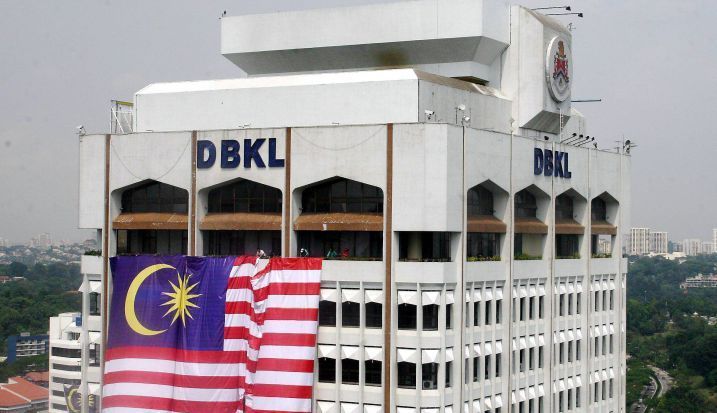
The Malaysian Cabinet has signalled a cautious approach to restructuring Kuala Lumpur's administration, ordering the Federal Territories Department to first shore up internal governance mechanisms at DBKL before pursuing legislative amendments to the Federal Capital Act 1960. Minister Hannah Yeoh announced the decision after the department presented findings from a four-month feasibility study into potential changes to Act 190, the foundational legislation governing how the capital city operates. This move reflects growing recognition within government circles that institutional strengthening through better procedures and accountability frameworks may be more effective than sweeping legal overhauls.
The International Islamic University Malaysia conducted the study between December 2023 and March 2024, examining DBKL's structural weaknesses across multiple dimensions. Researchers analysed administrative hierarchy, decision-making workflows, service delivery mechanisms, enforcement capacity, and broader accountability gaps. The investigation also incorporated perspectives from Kuala Lumpur MPs and senior DBKL management through structured engagement sessions. This participatory approach represents an attempt to build consensus around reform while avoiding the prolonged political disputes that often accompany legislative changes affecting major institutions.
Two alternative governance models had previously circulated within policy circles, each reflecting different political philosophies about balancing mayoral authority with representative oversight. The Prime Minister's Policy Advisory Committee had proposed establishing a Supreme Council to reshape the legal framework around the mayor's office, potentially diluting personal accountability concentrated in a single individual. Separately, several Kuala Lumpur MPs had advocated for a city council structure comprising the seven parliamentary representatives serving the capital, positioned to advise the mayor and amplify constituency concerns. Both proposals sought to introduce collective decision-making elements into a system currently built on the principle of the mayor as a "corporation sole."

