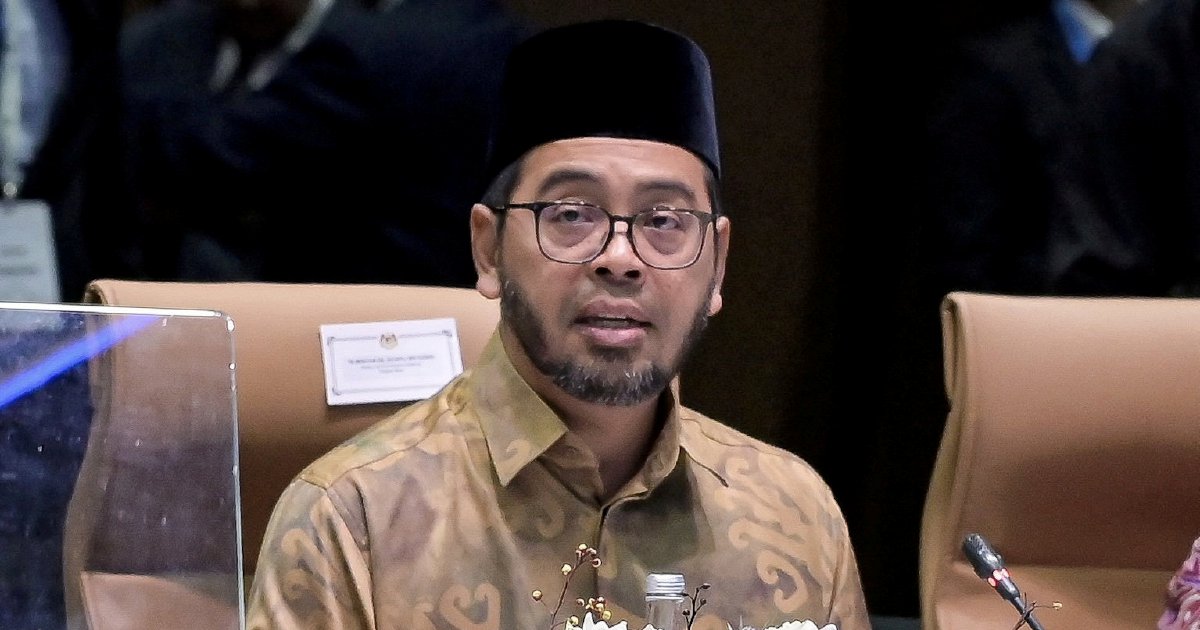
The Malaysian Cabinet plans to deliberate on whether to release the final Royal Commission of Inquiry report into Tabung Haji, according to Religious Affairs Minister Dr Zulkifli Hasan. The timing and scope of any public disclosure remain subject to Cabinet approval, marking a significant juncture for one of the nation's most scrutinized institutions.
Tabung Haji, the state-backed pilgrimage savings fund, has faced intense scrutiny following the commission's investigation into the organization's financial management and governance practices. The RCI was established to examine questions surrounding the fund's investments, administrative procedures, and oversight mechanisms that left millions of Malaysian depositors anxious about their life savings.
The prospect of releasing the inquiry's conclusions publicly represents a shift toward greater accountability, though the Cabinet's final stance will determine how thoroughly Malaysians can examine the findings. Transparency regarding the commission's discoveries could either reassure depositors or expose systemic failures that require urgent remediation, making the disclosure decision consequential for public confidence in the institution.
Zulkifli Hasan's announcement suggests the government recognizes growing public demand for clarity about what the RCI uncovered. Malaysian depositors and members of the Islamic community have increasingly called for openness regarding the fund's operations, particularly as concerns mount about whether their contributions remain adequately safeguarded and properly invested.
The Tabung Haji situation carries broader implications for how Malaysia handles accountability in religiously significant financial institutions. Transparency in this instance could establish precedent for future inquiries into organizations managing communal and religious assets, particularly those serving vulnerable populations reliant on these funds for major life events like the Hajj pilgrimage.
Cabinet discussions on the matter may involve balancing competing interests: public transparency against potential commercial sensitivities, individual privacy protections against institutional accountability, and immediate disclosure against phased information release. Ministers will likely weigh recommendations contained in the RCI report itself regarding the most appropriate channels for communicating findings.
The delay between the RCI's completion and potential public release has generated speculation about the nature of the commission's conclusions. Extended deliberation periods typically indicate either complex recommendations requiring careful vetting or findings that carry significant implications for institutional reform and potential legal exposure.
For Southeast Asian observers, Malaysia's handling of the Tabung Haji inquiry reflects broader regional trends toward institutional transparency in religious and financial governance. Several neighboring countries have similarly grappled with balancing transparency demands against concerns about exposing institutional vulnerabilities or political sensitivity around religious organizations.
Depositors across Malaysia remain attentive to developments, as their individual financial interests depend on both accurate diagnosis of institutional problems through the RCI and swift corrective action by authorities. Public access to the report would enable depositors, civil society organizations, and financial experts to assess whether remediation measures are adequate.
The Cabinet's deliberation process itself signals that the decision involves substantive considerations beyond simple institutional secrecy. Zulkifli Hasan's explicit commitment to Cabinet discussion suggests genuine internal debate rather than predetermined outcomes, though the ultimate decision remains uncertain until ministerial consensus emerges.
Stakeholders including religious leaders, financial analysts, and civil society groups will likely intensify their positions once Cabinet discussions commence. These constituencies have distinct interests in how much of the RCI's work enters public domain, reflecting the multifaceted significance of Tabung Haji within Malaysian religious, financial, and political contexts.
The timing of any public release, should the Cabinet approve disclosure, may also carry strategic implications for the government's broader governance agenda and public trust metrics. Early or phased revelation might allow authorities to shape narrative presentation, while comprehensive immediate release could demonstrate commitment to unfiltered institutional accountability.
Ultimately, the Cabinet's decision on releasing the Tabung Haji RCI report will test Malaysia's commitment to transparency in managing religiously important financial institutions and may influence how future inquiries into similar organizations balance confidentiality against public accountability demands.

