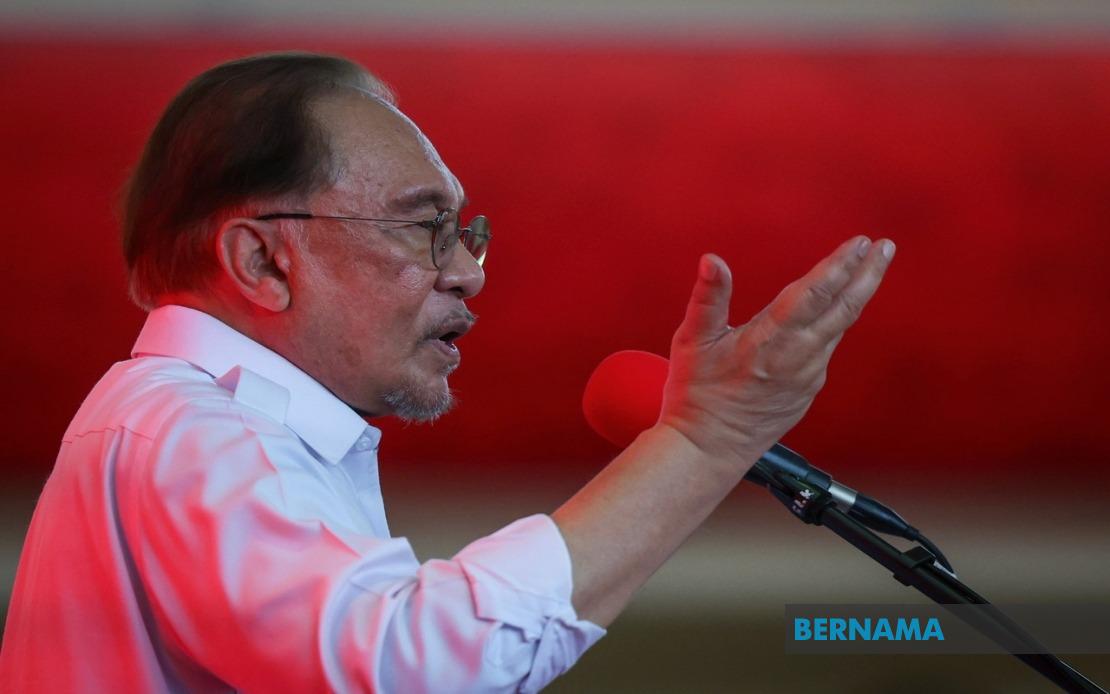
The Malaysian Cabinet is poised to make a significant decision this week on whether to release the comprehensive Royal Commission of Inquiry report into Tabung Haji, according to Prime Minister Datuk Seri Anwar Ibrahim. Speaking in Tampin on July 27, Anwar indicated that the findings of the inquiry—which examined allegations connected to the sale of Tabung Haji's strategic assets—would be deliberated during Wednesday's weekly Cabinet meeting, following which a final determination on public disclosure would be made.
The report's potential release represents a critical moment for transparency in Malaysia's governance. Tabung Haji, the national Islamic pilgrimage savings and financial services institution, has faced scrutiny over the handling and sale of its substantial assets. The Royal Commission of Inquiry was established to investigate these complex allegations, and the resulting report is expected to contain detailed findings that could have far-reaching implications for institutional accountability and public trust.
Anwar's stance on the matter reflects a commitment to institutional transparency and adherence to constitutional processes. In his remarks, the Prime Minister emphasized that the government should act with integrity and allow public scrutiny of investigative findings. His position suggests that absent any legal impediments, the Cabinet should lean towards openness rather than concealment, particularly when no wrongdoing has been established or when alleged wrongdoing requires public knowledge for accountability.
The Prime Minister articulated a clear separation of governmental powers and responsibilities in handling the matter. He outlined how investigations fall under the purview of investigating authorities, prosecutions are the responsibility of the Attorney General, and judicial determinations rest with the courts. Under this framework, the Cabinet's role is limited to deciding on the procedural matter of public release rather than making substantive judgments about the report's contents or determining guilt or innocence.
Anwar's comments also signal frustration with ongoing public speculation about Tabung Haji. By proposing that the full report be released, he appears to be suggesting that continued debate and rumour-mongering would be better addressed through transparency than through prolonged confidentiality. The logic underlying this approach is that public access to factual findings allows citizens and stakeholders to form informed opinions rather than relying on fragmentary information or conjecture.
This decision comes after the Prime Minister indicated on the previous Thursday that the government was prepared to release the final RCI report in the near term. At that time, Anwar stated he would consult with the Chief Secretary to the Government regarding the proper procedural pathway, specifically whether Cabinet approval was a necessary prerequisite to disclosure. The deliberation process, while procedural in nature, carries significance as it determines whether the report's release becomes a collective Cabinet decision or a ministerial one.
For Tabung Haji itself, the impending release of the RCI report could mark a turning point in its institutional trajectory. The fund, which manages savings for Malaysian Muslims undertaking the Hajj pilgrimage, serves a crucial social and religious function. Any findings regarding mismanagement or improper asset sales would have direct consequences for the institution's governance structure, leadership, and future operations. Conversely, if the report exonerates Tabung Haji's management or finds procedural compliance, this too would merit public acknowledgment.
The broader Malaysian context also warrants consideration. Public institutions have faced heightened scrutiny in recent years, particularly regarding financial management and asset handling. The Tabung Haji inquiry participates in this broader accountability movement. The willingness to release investigative reports publicly—rather than restricting them to government circles—sends a message about the government's commitment to institutional reform and public trust restoration, areas that remain central to Malaysia's governance narrative.
The Cabinet meeting scheduled for Wednesday will involve senior government officials and ministers responsible for various portfolios. Among those present during recent discussions were Chief Secretary to the Government Tan Sri Shamsul Azri Abu Bakar and representatives from the defence establishment, reflecting the institutional breadth of Cabinet deliberations. The decision-making process itself demonstrates how even ostensibly straightforward governance matters—the release of a report—can involve multiple layers of consultation and approval.
Anwar's framing of the issue also touches on a deeper principle regarding governmental legitimacy and the rule of law. By positioning the Cabinet as a forum for deciding transparency matters rather than matters of substantive judgment, he reinforces the notion that executive power should operate within defined boundaries. This approach respects both the investigative findings and the separation of powers that underpins constitutional governance.
The timing of the announcement and the approaching Cabinet decision suggest that resolution is imminent. Should the Cabinet authorize release, the report will enter the public domain, potentially triggering parliamentary discussions, media analysis, and public debate. Should the Cabinet determine that release is not advisable at this stage, the government would need to articulate substantial reasons for maintaining confidentiality, a position that would likely face sustained scrutiny given the Prime Minister's apparent inclination towards openness.
Ultimately, this week's Cabinet decision on the Tabung Haji RCI report will test the government's commitment to transparency in practice rather than merely in principle. The decision will also influence public perceptions of how the administration handles sensitive investigative matters and whether it genuinely embraces the separation of powers and constitutional processes that Anwar has articulated as foundational to his governance approach.

