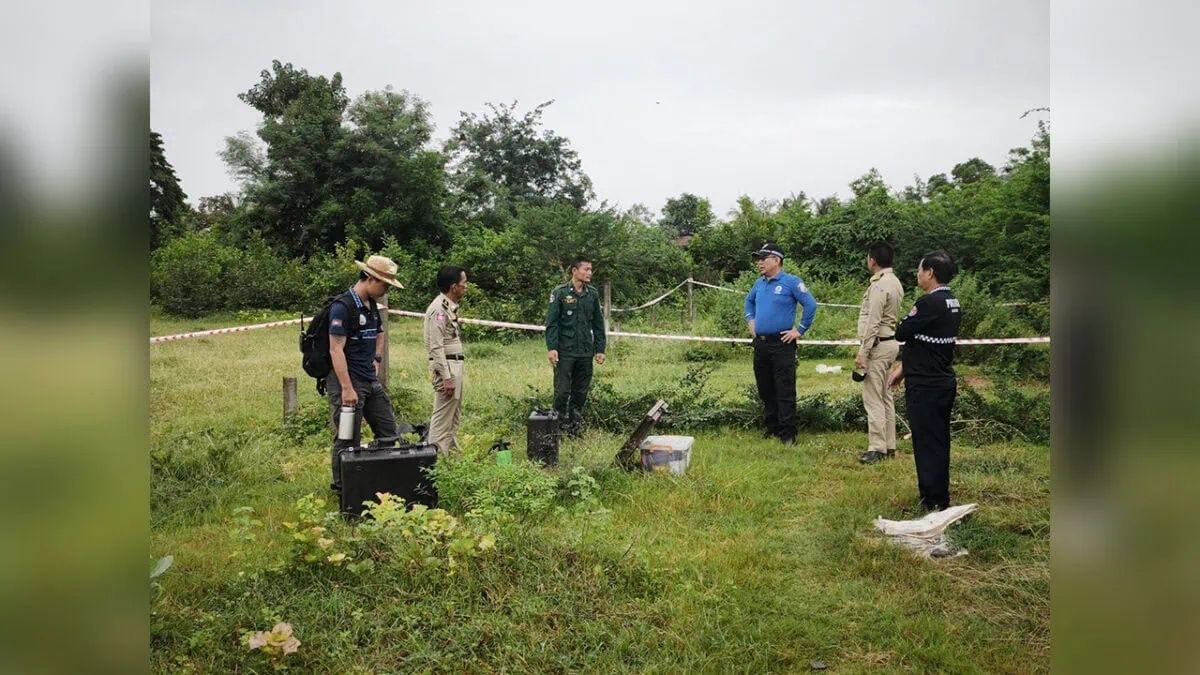
Cambodia's law enforcement authorities have mobilized a coordinated investigation response following the tragic discovery of two children's bodies in Banteay Meanchey province, with the Cambodian National Police and the Child Protection Unit (CPU) treating each case as a separate homicide inquiry. The discoveries, which occurred on July 28, have prompted intensive investigative efforts spanning multiple agencies, signalling the seriousness with which authorities are approaching these crimes.
The first discovery came to light when a 15-month-old child's body was located in a pond within Mongkol Borei district early that morning, around 8am. Later that same day, authorities recovered the remains of a five-year-old child in Teuk Thla commune, a child who had been reported missing three days prior on July 25. The CPU's statement, released on August 3, clarified that despite the proximity of the discoveries and the province where they occurred, the investigations have determined no connection exists between the two incidents.
The involvement of multiple agencies underscores the institutional weight being applied to these investigations. Beyond the provincial police force, the inquiries have engaged the CPU's specialized homicide investigation team and the Minister of Interior's Department of Technical and Scientific Police, positioning these cases at a level of scrutiny typically reserved for sensitive criminal matters. Forensic examinations at both crime scenes have been completed, with preliminary investigative work pointing authorities toward homicide classifications for both deaths.
James McCabe, director of the CPU, issued a statement pledging unwavering commitment to thorough and professional investigative protocols. He emphasized that Cambodian police and partner organizations would deploy comprehensive resources and investigative capabilities to ensure both homicide cases proceed to their fullest extent. McCabe's assurance of prosecutorial accountability reflected the institutional position that any individuals implicated in either death would face court proceedings and justice through the legal system.
The separation of these cases, despite their occurrence on the same day and within the same province, reflects investigative findings rather than administrative convenience. Child homicide investigations in Cambodia carry particular weight given the vulnerability of the victims and the public attention such cases naturally generate. The CPU's specification that cases remain unrelated suggests preliminary findings have pointed investigators toward entirely different circumstances, motivations, or perpetrators for each death.
For Malaysian and Southeast Asian observers, these developments highlight the investigative challenges regional authorities face when addressing crimes against children, particularly in areas with constrained resources or complex jurisdictional circumstances. The involvement of technical and scientific police divisions indicates Cambodia's law enforcement apparatus possesses forensic capabilities for modern investigations, though resource limitations often affect investigation timelines and outcomes in less-developed jurisdictions across the region.
The case of the five-year-old carries particular investigative significance given the three-day window between the missing person report and body discovery, a period that may contain crucial investigative leads. The five-year-old's disappearance had presumably triggered search protocols and community awareness, potentially generating witness accounts or observational data that might assist authorities in understanding the circumstances preceding the child's death.
Cambodia's child protection framework, while improving in recent years, faces ongoing challenges in preventing violence against minors and prosecuting perpetrators effectively. International organizations and NGOs have worked with Cambodian authorities to strengthen child protection mechanisms, though rural provinces like Banteay Meanchey frequently experience gaps in preventative capacity and investigative resources compared to urban centers. The CPU's active engagement in these cases suggests priority attention is being directed toward child safety concerns.
The authorities' decision to withhold operational details during ongoing investigations reflects standard law enforcement practice designed to protect investigative integrity and avoid compromising prosecutorial positions. This protective secrecy can frustrate public information needs but serves legitimate investigative interests, particularly when multiple suspects or persons of interest remain under examination. The silence also prevents contamination of witness testimonies or public commentary that might influence potential jurors in eventual court proceedings.
For families in the affected communities and throughout Cambodia more broadly, these investigations represent institutional attempts to provide accountability and justice in the aftermath of tragedy. The public reaffirmation of commitment from police leadership and the CPU director communicates to grieving families and concerned citizens that their cases will receive sustained attention and professional treatment rather than being classified as routine matters.
The regional context matters significantly for understanding these investigations. Child safety across Southeast Asia remains a persistent concern, with trafficking, exploitation, and violence affecting vulnerable populations across borders and jurisdictions. Cambodia's willingness to deploy specialized units and forensic resources suggests institutional recognition that child protection demands elevated investigative standards comparable to those applied in more developed nations.
As investigations progress, the outcomes will likely influence public perceptions of law enforcement effectiveness in protecting the most vulnerable population segments. Successful prosecutions would demonstrate that Cambodian authorities can pursue justice for child victims despite investigative obstacles, while failures or delays would reinforce perceptions of institutional weakness. The CPU's public engagement signals awareness that transparency and demonstrated commitment remain essential for maintaining public confidence in child protection institutions.

