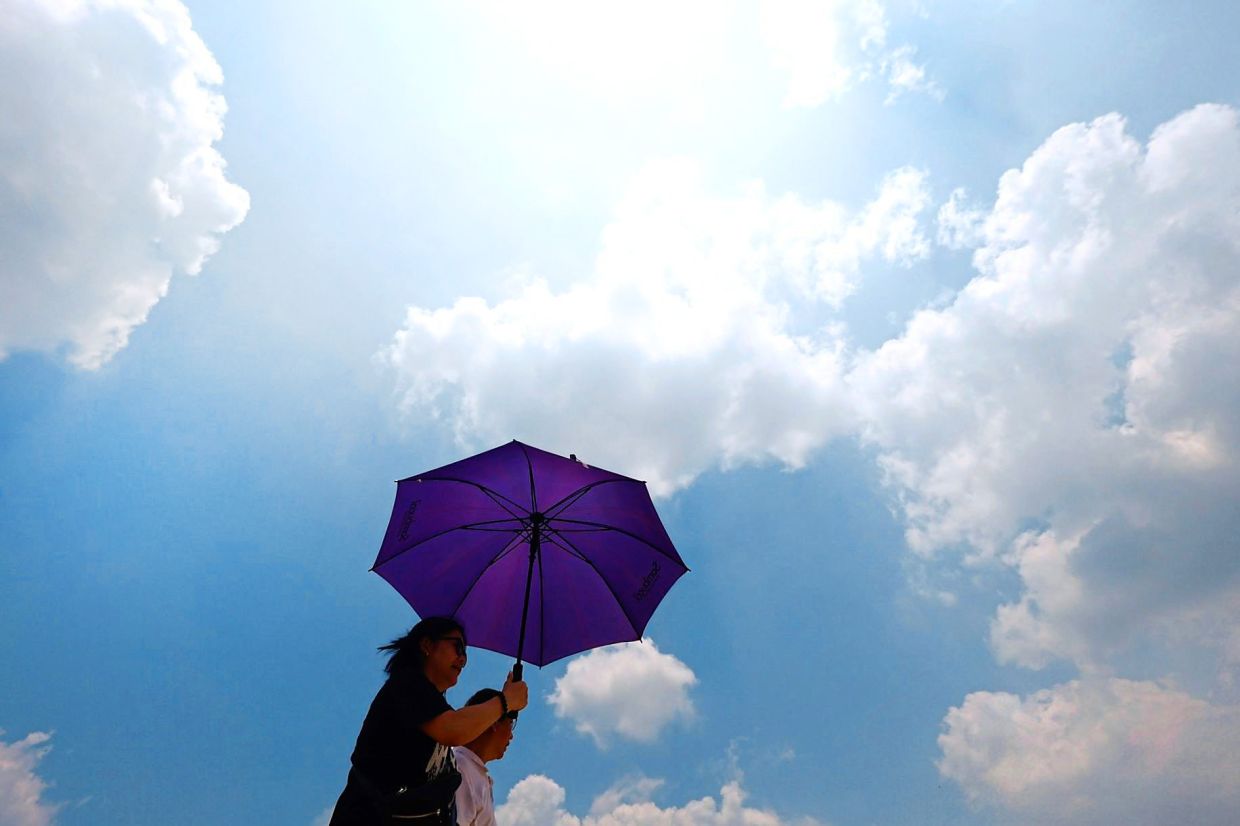
The World Health Organization declared on June 30, 2026, that the world faces a troubling reality: heatwaves are no longer exceptional meteorological events but rather a permanent feature of the global climate landscape. Following a wave of record-breaking temperatures that cost dozens of lives across Europe, WHO Europe regional director Dr Hans Kluge cautioned that summers will grow progressively more severe. The organisation's stark assessment reflects a fundamental shift in how governments and health systems must approach extreme heat—not as isolated crises requiring emergency response, but as predictable seasonal challenges demanding long-term planning and adaptation strategies.
As climate change intensifies heatwave frequency and duration, a critical question emerges: can the human body develop sufficient biological adaptation to cope with these escalating conditions? Medical meteorologist Kathrin Graw, affiliated with Germany's Deutscher Wetterdienst (DWD), provides a sobering answer. The human body possesses some capacity for heat adaptation, but this capability operates within strictly defined boundaries. The notion that humanity might simply evolve or acclimatise its way through the climate crisis fundamentally misunderstands the science of human physiology and the accelerating pace of environmental change.
Graw emphasises that prolonged heat exposure creates compounding stress on the body in ways that initial heatwave days do not. A heatwave's true danger emerges not in its opening phase but through its persistence. When consecutive days of extreme heat stretch into weeks, the accumulated physiological burden intensifies exponentially. More troubling still, the body's nightly recovery—crucial for managing daytime heat stress—often fails during extended heatwaves when nighttime temperatures remain elevated. Warm nights prevent adequate sleep and thermoregulation, leaving individuals entering subsequent days of heat already weakened and more vulnerable to heat-related illness.
Recent research from the DWD provides quantifiable evidence of this deterioration effect. Among individuals with cardiovascular disease, heat-related mortality rates remain relatively modest during initial heatwave days at 8.5% above baseline. However, by the 11th and 12th consecutive days of extreme heat, this excess mortality surges to 18% for the same population. This pattern reveals a troubling mathematics of sustained heat exposure: the relationship between duration and danger is not linear but accelerating. As heatwaves persist, each additional day compounds physiological stress, pushing more vulnerable individuals across the threshold from survival to crisis.
The human body does possess a measurable capacity for seasonal heat adaptation over the course of summer months. This biological reality partially explains why weather services adjust their warning thresholds throughout the season. Early summer heat warnings issue at lower temperature thresholds than equivalent temperatures triggering alerts in late August or September. As populations gradually acclimate through summer exposure, their physiological tolerance naturally increases. Weather forecasting agencies account for this seasonal adaptation when setting alert criteria, recognising that the same numerical temperature poses different health risks depending on the time of year and prior exposure patterns.
Geographic variation in heat resilience offers another lens through which to examine human adaptation capacity. Populations in southern European nations, accustomed to regular summer heat, demonstrate somewhat lower heat-related mortality rates compared with their counterparts in northern Europe. This geographic difference suggests that long-term cultural and physiological adaptation to heat does provide modest protective benefits. Residents of consistently warm climates have developed lifestyle adjustments, architectural approaches, and social practices that facilitate heat management. Work patterns shift to avoid midday heat, siesta traditions allow recovery periods, and building designs incorporate passive cooling strategies refined over generations.
Yet even this geographic evidence carries a cautionary message. The mortality advantages observed in historically warm regions remain modest and incomplete. Graw warns that long-term human adaptation to significantly higher temperatures cannot continue indefinitely without fundamental limits being breached. The human body's heat tolerance exists within a narrow biological window. Core body temperature must remain within a specific range for survival; beyond approximately 40 degrees Celsius sustained internally, cellular damage becomes inevitable. No amount of cultural acclimatisation or physiological adaptation can rewrite these basic thermodynamic constraints.
The critical threat emerges from the velocity of climate change rather than merely from temperature increases themselves. Human biological adaptation—whether individual acclimatisation or generational population adjustment—requires time. Evolution operates across centuries and millennia. Seasonal acclimatisation unfolds across months. Yet global temperatures are rising at unprecedented rates. The acceleration of warming during recent years has compressed what might have been a gradual adjustment process into a compressed timeframe, eliminating the luxury of incremental adaptation. Populations cannot meaningfully reorient their entire physiological and social infrastructure when the target climate keeps shifting faster than adjustment mechanisms can respond.
Vulnerable populations face particular jeopardy as heatwaves intensify. Elderly individuals experience declining thermoregulatory efficiency as they age, reducing their capacity to manage extreme heat. Young children lack fully developed temperature control mechanisms. Pregnant women experience physiological changes that compromise heat tolerance. Individuals with pre-existing cardiovascular, respiratory, or metabolic conditions find their existing health vulnerabilities magnified under heat stress. These groups cannot rely on adaptation to protect them; instead, they require societal infrastructure changes, enhanced medical surveillance, and proactive cooling interventions.
The implications for Southeast Asia and Malaysia deserve particular attention. The region already contends with persistently high temperatures and humidity levels that approach or exceed the boundaries of human thermal comfort. Future intensification of heatwaves threatens populations that have experienced relative climate stability, potentially lacking the behavioural and infrastructural adaptations that evolved in traditionally hot regions. Rapid urbanisation concentrates populations in heat-absorbing concrete environments that amplify ambient temperatures through urban heat island effects. Air conditioning dependence creates vulnerabilities to power disruptions. Agricultural productivity faces threats as heat stress reduces crop yields precisely when growing populations demand increased food production.
Malaysian policymakers must confront an uncomfortable reality: biological adaptation alone cannot solve the heatwave challenge. While some seasonal and generational adjustment remains possible, these adaptive mechanisms operate at timescales measured in years to decades, far slower than climate change unfolds. Effective responses require sustained investment in public health infrastructure, development of community cooling centres, enhancement of nighttime air quality and temperature management in residential areas, and comprehensive urban planning that mitigates heat island effects. Economic planning must incorporate heatwave impacts on productivity, infrastructure resilience, and healthcare demands. The adaptation that ultimately matters is not physiological but societal—the collective institutional response that acknowledges human bodies have limits and builds systems to protect populations when those limits are exceeded.

