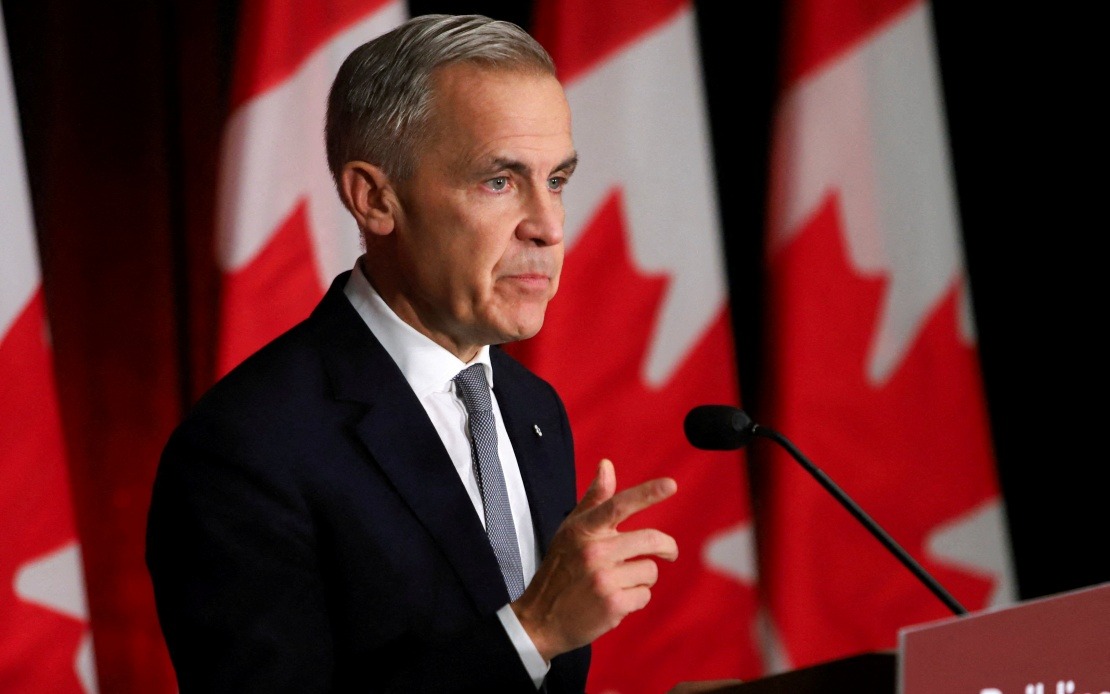
Canada and the United States have pledged to quicken the pace of their trade negotiations, according to Canadian Prime Minister Mark Carney, who confirmed direct discussions with US President Donald Trump on the escalating trade dispute between the two countries. The commitment to advance talks comes at a critical juncture as tensions over tariffs threaten to disrupt bilateral commerce and strain relations between the longstanding trading partners.
During their conversation earlier this week, Carney and Trump reached a mutual understanding to ramp up negotiation efforts over the coming weeks, with the Canadian leader indicating that both his office and negotiating team are prepared to engage intensively on the matter. This diplomatic move signals an attempt to defuse tensions through dialogue rather than allowing retaliatory measures to dominate the relationship, though the underlying disputes remain unresolved and contentious.
The Canadian government faces a complex task in determining its response to the tariff measures. Carney indicated that Ottawa is carefully examining all possible options for retaliation should the duties proceed as announced, suggesting that any Canadian response will be strategically calibrated rather than reflexive. This measured approach reflects the delicate balance Canada must maintain in defending its economic interests while keeping dialogue channels open with its largest trading partner.
The roots of the current friction lie in proclamations signed by Trump on Monday, which introduced an additional fifty per cent tariff on selected Canadian goods. The US administration justified the measure by alleging that Canada has engaged in discriminatory practices against American commerce, a characterisation that Ottawa has contested. The specific products targeted include dairy goods, alcoholic beverages, motor vehicles and components, with the duties scheduled to take effect on August 19 based on documents published on the White House website.
However, the tariff regime includes certain exemptions. Energy products, potash, fish and critical minerals will escape the additional duties, a distinction that reflects the strategic importance of these sectors and the potential political costs of broader restrictions. This selective application suggests that even as tensions run high, both governments recognise the risks of comprehensive trade warfare affecting sectors critical to continental supply chains and economic stability.
Canada's formal response, delivered by Carney on the same day the tariffs were announced, characterised the move as yet another unilateral American action that contravenes the terms of the Canada-United States-Mexico Agreement. This invocation of the trilateral trade deal highlights Ottawa's position that Washington is violating the very framework meant to govern continental commerce, raising questions about the stability of trade rules in North America and their enforceability when a major player chooses to act unilaterally.
For Malaysian and Southeast Asian observers, this Canada-US dispute carries broader implications for the global trading system. The willingness of major economies to impose punitive tariffs and challenge established trade agreements sets a concerning precedent that could embolden protectionist measures elsewhere. Regional trading blocs in Southeast Asia, which have benefited from relatively rules-based commerce, may find themselves navigating an increasingly volatile environment where larger powers override agreements when politically expedient.
The acceleration of negotiations between Ottawa and Washington also reflects the reality that both nations have strong incentives to reach some accommodation. The Canadian economy, deeply integrated with American supply chains particularly in automotive and energy sectors, cannot afford prolonged trade conflict. Similarly, American businesses relying on Canadian inputs and markets have lobbied against escalation. This mutual vulnerability may ultimately prove more persuasive than rhetoric in driving both sides toward compromise.
The August 19 implementation deadline creates a natural inflection point for negotiations. Should the two sides fail to reach agreement by that date, the tariffs will take effect, likely triggering the retaliatory measures Carney referenced. Such an outcome would represent a significant rupture in Canada-US relations and potentially trigger a broader unraveling of North American trade arrangements that have been in place for decades.
The broader context of US trade policy under Trump remains highly unpredictable. The administration has demonstrated a pattern of using tariff threats as negotiating tools, sometimes backing down after securing concessions and sometimes following through on threats. Canadian negotiators will need to assess which category this dispute falls into, a calculation made more difficult by the public nature of the disagreement and the domestic political pressures both leaders face.
For Southeast Asian nations, which have growing trade relationships with both North American countries, the outcome of these negotiations matters considerably. A durable compromise could help stabilise global trading conditions, while continued escalation might push the US and Canada toward increasingly inward-looking policies that could have spillover effects on Asian commerce and investment flows. The region will be watching closely to see whether intensive negotiations produce substantive progress or merely delay an inevitable showdown.

