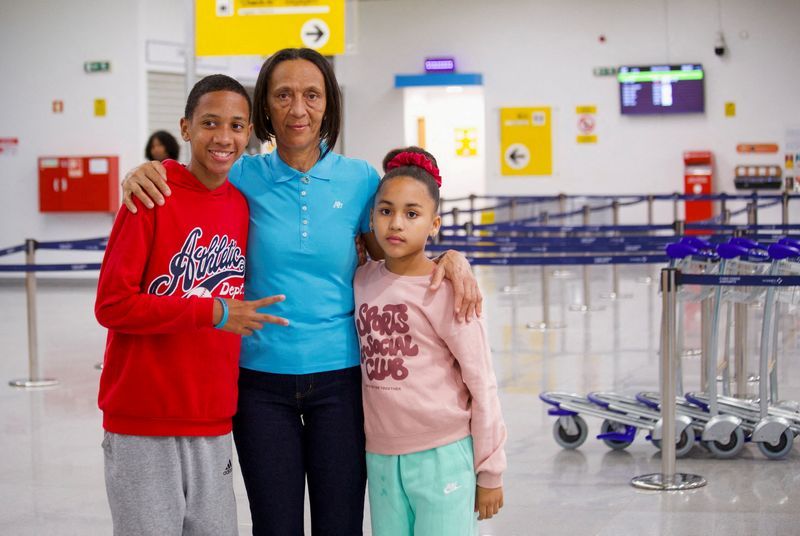
Cape Verde goalkeeper Vozinha's mother will finally be able to watch her son compete at the World Cup in the United States after the US State Department approved her visa application, marking a dramatic turnaround for the family following the emotional reveal that she had missed his stunning performance in the tournament's opening fixture. The 40-year-old custodian delivered a masterclass display against European champions Spain in Atlanta, recording seven crucial saves to help Cape Verde secure an unlikely 0-0 draw that gave the island nation's football fans back home reason to celebrate. Yet his triumph was bittersweet—when Vozinha spoke publicly about being named his team's player of the match, he disclosed the painful reality that his mother, Ana Candida Evora, had been unable to travel from Cape Verde to witness his heroics because of immigration barriers.
The goalkeeper's emotional revelation about his mother's absence quickly gained traction on social media and in international sports coverage, prompting swift action from American authorities. Officials at the US State Department confirmed that their visa processing team located in Praia, Cape Verde's capital, had been in regular communication with Evora to facilitate her travel documentation. Within days of the story becoming public, the diplomatic machinery moved decisively, with State Department representatives announcing that all necessary paperwork had been completed and her approval to enter the country was confirmed. This intervention represented a rare instance of direct governmental assistance to resolve a sports-related visa issue, underscoring the human interest dimension of the World Cup narrative.
Evora will now have the opportunity to support her son during Cape Verde's crucial second group-stage encounter against Uruguay, scheduled to take place in Miami on Sunday. This match holds significant importance for the African nation's prospects in the tournament, and having family support in the stands carries both emotional and psychological significance for athletes competing at football's highest level. The timing of her arrival ensures that she will be present for what could be a defining moment in her son's international career, transforming what initially seemed like a missed opportunity into a triumphant family reunion on the global stage.
The broader context of Evora's initial visa denial relates to stringent immigration policies that have been implemented by the Trump administration as part of a comprehensive crackdown on unauthorised entry to the United States. Many developing nations, including Cape Verde, fell under heightened scrutiny in the visa application process, with citizens from dozens of countries facing a requirement to post substantial bonds—in some cases reaching up to $15,000—before being permitted entry. These financial hurdles were established as part of a deterrent system aimed at ensuring that visa holders would not overstay their permitted duration in the country. The sheer magnitude of these bond requirements placed enormous barriers in front of ordinary citizens and families wishing to travel to America, effectively pricing out those without significant disposable income.
While the World Cup organisers negotiated with authorities to have bond requirements waived for ticket holders attending the tournament, this exemption came too late for Evora to make practical arrangements for the Spain match. The economic impossibility of securing the necessary funds in the timeframe available meant she had to watch her son's breakthrough performance from home in Cape Verde, following events through television coverage and social media updates rather than experiencing the atmosphere and emotion of the stadium firsthand. This situation highlighted how immigration policies, even when technically unrelated to sporting events, can inadvertently affect the personal experiences of families during major international competitions.
The intervention by the State Department in Evora's case demonstrates the diplomatic flexibility that can be exercised when high-profile human interest stories gain public attention. Rather than adhering rigidly to standard processing procedures, officials recognised the symbolic and humanitarian value of allowing a mother to support her son in a historic moment for his country. The decision also underscores how international sporting events can serve as platforms for diplomatic gestures and soft power initiatives, with governments seeing value in demonstrating compassion and cultural sensitivity when millions of eyes are watching. For Cape Verde, a small island nation with limited resources and a modest sporting infrastructure, such international attention represents an opportunity to showcase the nation beyond stereotypical narratives.
Vozinha's emergence as a key player for Cape Verde reflects the broader development of football talent across African and Caribbean nations that have historically occupied peripheral positions in world football. At 40 years old, the goalkeeper's performance against Spain suggested that age and experience can provide significant advantages in elite competition, particularly in a position where tactical awareness and composure under pressure prove as valuable as physical athleticism. His story resonates across Southeast Asia as well, where similar issues of visa accessibility, family separation during sporting events, and the intersection of immigration policy with cultural moments remain contemporary concerns. The approval of his mother's visa sends a message about the value placed on human connections and family bonds, even amid strict border security frameworks.
For Malaysian and regional audiences, this narrative carries particular relevance given the ongoing discussions about visa policies and travel accessibility across Southeast Asia and to major global destinations. While Malaysia maintains different immigration frameworks than the United States, questions about whether families can afford to travel to support their relatives at major international events remain pertinent across the region. The case of Evora serves as a reminder that bureaucratic processes, while necessary for border security, can have profound personal impacts on individuals and families, particularly when wealth disparities make compliance with formal requirements extremely burdensome. The eventual resolution offers a counternarrative to stories of rigid border enforcement, suggesting that humanitarian considerations and public advocacy can sometimes create pathways for exceptions.

