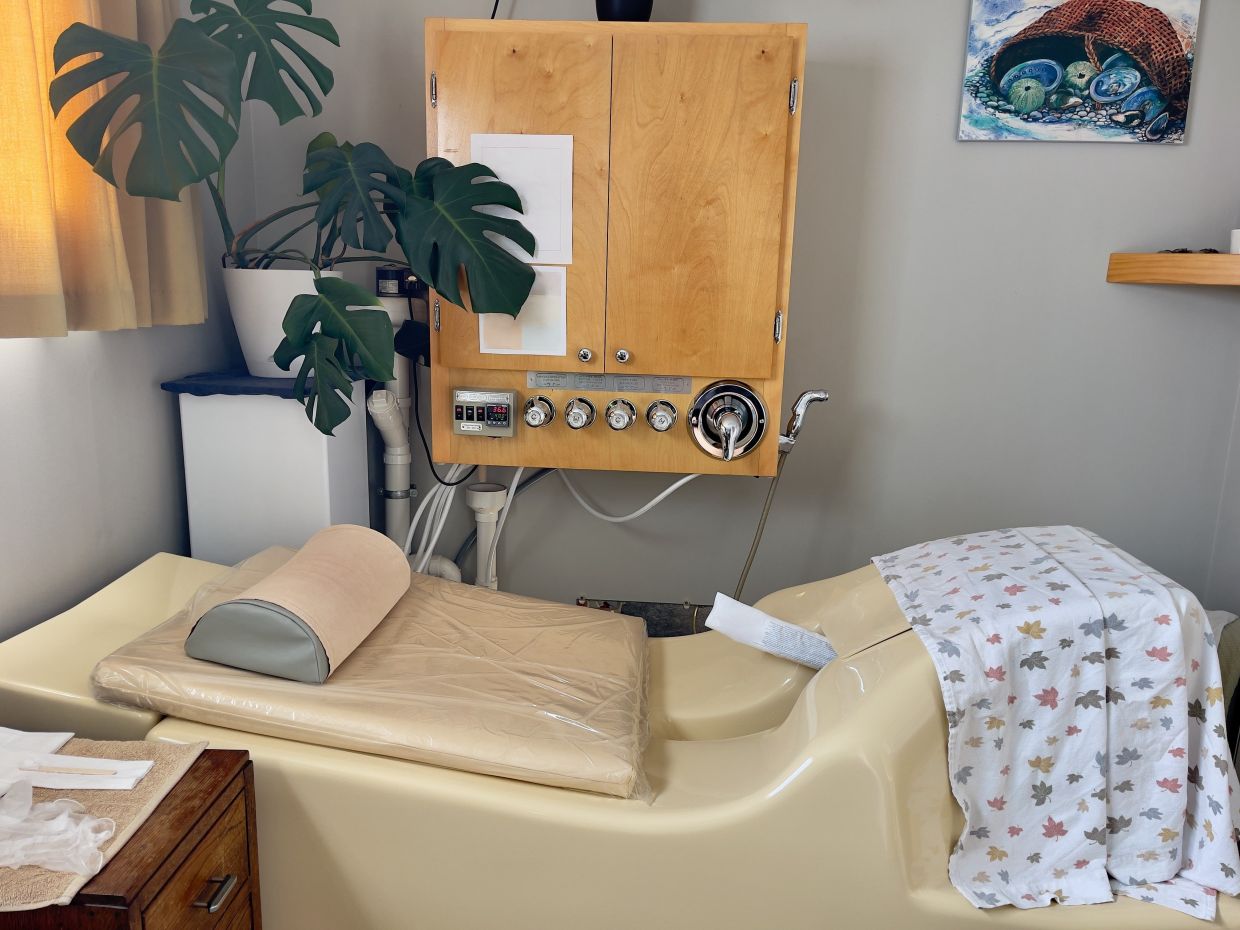
Beijing police have dismantled an elaborate health scam that defrauded more than 100 elderly residents of over 10 million yuan, equivalent to US$1.5 million, using a deceptively simple trick: soy sauce mixed into intestinal cleansing liquids to simulate toxins being expelled from their bodies. The investigation, which led to the arrest of more than 30 suspects on fraud charges, exposed a sophisticated network of predatory clinics targeting China's rapidly growing senior population.
The breakthrough came when the family of a woman in her 60s, identified as Li, discovered her devastating financial loss at a single health centre. Over an extended period, Li had transferred approximately 700,000 yuan, roughly US$103,000, to the clinic for various treatments billed at tens of thousands of yuan per session. The magnitude of her spending alarmed relatives, prompting them to investigate the facility's practices and eventually alert authorities. The case revealed not an isolated incident but rather the tip of an iceberg—a sprawling criminal enterprise operating across multiple Beijing districts through over 20 outlets masquerading as legitimate health establishments.
The operational strategy employed by the fraud ring demonstrated calculated psychological manipulation targeting the emotional vulnerabilities of isolated seniors. Staff members employed classic relationship-building tactics, remembering clients' birthdays and displaying exaggerated concern to create a false sense of familial connection. This approach proved especially effective given China's demographic reality: by the end of 2025, the nation counted 323 million citizens aged 60 and above, representing 23 per cent of the population, with approximately 60 per cent classified as empty-nesters either lacking children or separated from offspring living elsewhere. These individuals, often experiencing genuine loneliness despite having family members, became ideal targets for clinics offering abundant personal attention and false reassurance.
The recruitment methodology followed a predictable pattern designed to generate customer pipelines. Staff members stationed themselves at senior centres and public gathering spots frequented by elderly residents, offering complimentary consultations from purported medical experts. These fraudulent practitioners would diagnose fabricated illnesses and prescribe expensive, prolonged treatment regimens, leveraging psychological authority to overcome natural scepticism. The soy sauce element served as the scheme's linchpin—when applied to intestinal cleansing procedures, the dark liquid created the visual impression of expelled bodily toxins, providing seemingly objective proof that the patients harboured serious health problems requiring continued intervention.
The psychological coercion intensified as victims exhausted their financial reserves. In one particularly troubling case, when Li signalled her intention to discontinue treatments due to depleted savings, clinic staff encouraged her to pawn her golden bracelet, employing emotional manipulation by suggesting that money mattered little compared to her health. This escalating pressure extracted payments from the most vulnerable members of society, with one victim alone surrendering over two million yuan, approximately US$295,000, to the operation. The total turnover exceeded 30 million yuan, roughly US$4.5 million, an extraordinarily high figure for establishments claiming to provide standard wellness services.
The scale and sophistication of this operation underscores how organised crime increasingly targets elderly populations in countries experiencing rapid ageing. The gang operated across multiple Beijing districts simultaneously, suggesting considerable organisational capacity and coordination. The involvement of over 20 separate facilities created operational redundancy, allowing the network to continue functioning even if individual outlets faced scrutiny. Fake medical credentials and authoritative consulting arrangements provided the veneer of legitimacy necessary to convince vulnerable clients that they were receiving genuine healthcare services from qualified professionals.
Beyond the immediate financial losses, the scam inflicted profound emotional harm on its victims. The exploitation of loneliness and the deliberate cultivation of false familial bonds represent a particularly insidious form of elder abuse. Victims faced not only financial devastation but also the realisation that the caring attention they had received was entirely theatrical, a calculated performance designed to extract money. The psychological trauma of such betrayal extends far beyond monetary compensation and speaks to broader vulnerabilities within societies where traditional family support structures are eroding.
China's demographic trajectory makes the elderly population an increasingly attractive target for fraudsters. With over 300 million seniors and six in ten living in circumstances of social isolation, the addressable market for such schemes remains enormous. Regulatory gaps in the health and wellness industry create opportunities for unlicensed practitioners to operate with minimal oversight. The ease with which soy sauce could substitute for legitimate medical evidence highlights how little scrutiny these establishments face from authorities.
The case has reignited discussions about regulatory reform and consumer protection in China's wellness industry. One online observer noted the proliferation of health centres deploying free gifts and false medical claims to entrap vulnerable seniors, calling for urgent sector supervision. However, regulatory responses face practical challenges: distinguishing between legitimate wellness services and fraudulent operations requires expertise, resources, and coordination across multiple agencies. The sheer number of such establishments makes comprehensive oversight logistically difficult.
The implications extend beyond China's borders, particularly for Southeast Asian nations experiencing similar demographic ageing and urbanisation patterns. Malaysia, with an increasingly elderly population and growing middle-class seniors seeking health solutions, faces comparable vulnerabilities to health and wellness scams. The sophistication of the Beijing operation—combining psychological manipulation, fake expertise, visual deception, and coordinated multi-location networks—provides a template that criminal actors could adapt to regional contexts. Malaysian regulators should closely monitor developments in adjacent markets and strengthen domestic safeguards before such schemes take root locally.
For elderly Chinese residents and their families, the case serves as a cautionary reminder to verify credentials rigorously, seek second opinions from established medical institutions, and maintain healthy scepticism toward unsolicited health consultations. For policymakers, the incident underscores the urgent need for coordinated approaches addressing both regulatory gaps in the wellness industry and the broader social isolation affecting large segments of the elderly population. Without intervention on both fronts, fraudsters will continue exploiting the combination of medical uncertainty and emotional vulnerability that characterises many seniors' experiences in rapidly modernising societies.

