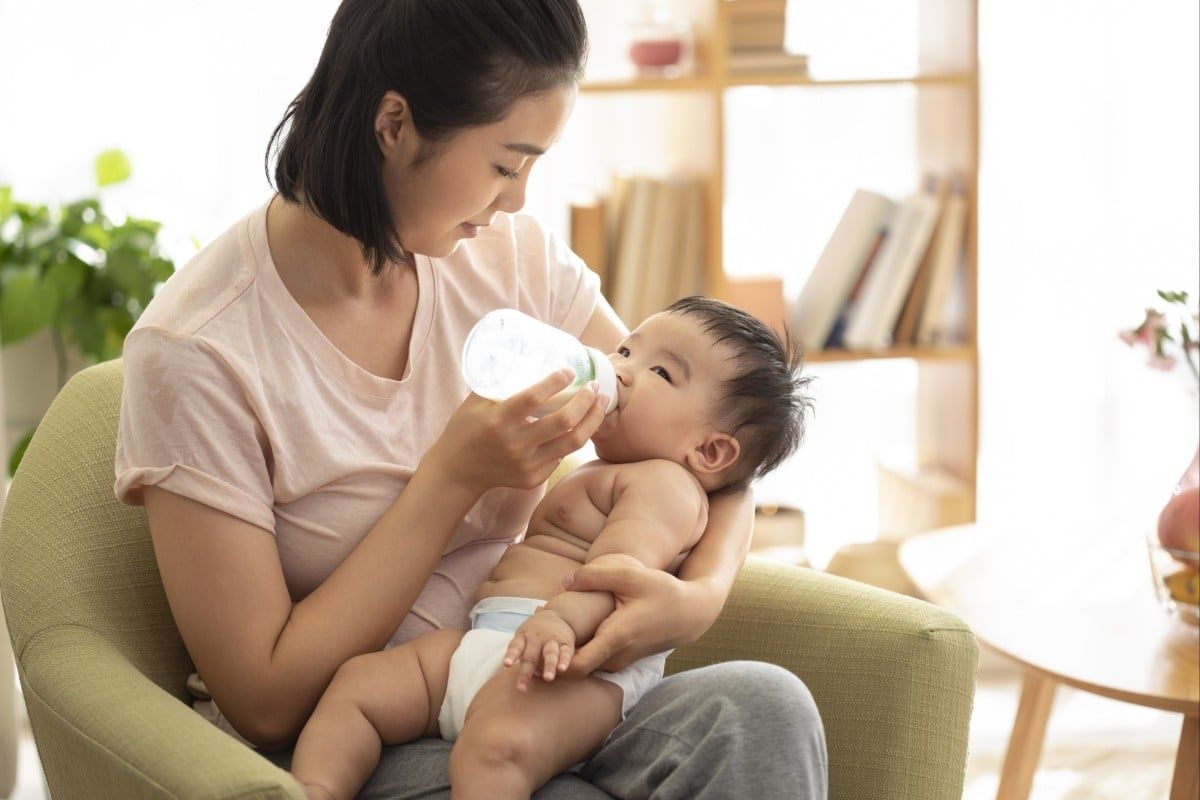
A three-month-old infant in Guangdong province, China was admitted to intensive care after his condition rapidly deteriorated when his parents prepared his baby formula using vegetable juice instead of water. The child's body became discoloured, his mouth turned purplish-blue, and he struggled to breathe—symptoms severe enough to warrant emergency admission to Zhongshan Women and Children's Hospital in the southern province. Concerned parents had made the decision to substitute vegetable juice for plain water during formula preparation, reasoning that the vegetable-based mixture would provide superior nutritional value for their developing infant.
The alarming physical manifestations appeared within a short timeframe after the baby consumed the affected formula. Medical staff at the hospital quickly diagnosed the underlying cause: nitrite poisoning, a condition that proved immediately life-threatening given the infant's age and developmental stage. Following two days of intensive medical intervention, the boy was released from hospital in mid-June, though the incident underscores the critical importance of understanding safe infant feeding practices.
The mechanism behind this tragedy reveals a gap in parental understanding of food chemistry and infant physiology. When vegetables undergo prolonged boiling, the cooking process dramatically concentrates nitrite levels in the resulting liquid. Parents preparing formula with such juice inadvertently expose their infants to toxin concentrations far exceeding safe thresholds. The consequences prove particularly severe in very young infants whose bodies lack the maturity to process such chemical hazards.
A three-month-old child's digestive system and kidneys remain in early developmental stages, unable to metabolize or filter high levels of nitrates and their derivatives. This physiological limitation creates a critical vulnerability window. Once nitrites enter the bloodstream, they interfere with haemoglobin's oxygen-carrying function, effectively reducing the blood's ability to transport vital oxygen throughout the body's tissues. This biochemical disruption manifested in the visible discolouration of the infant's skin, lips, and fingernails—a frightening sign for parents unaware of the cause.
Paediatricians at the hospital issued clear guidance following the case, emphasizing that formula powder must be mixed exclusively with warm water. Parents should scrupulously avoid vegetable juice, rice water, fruit juice, or soup-based broths as water substitutes. This directive, though straightforward, reflects assumptions some caregivers make about nutritional enhancement that actively endanger infants. The medical consensus prioritizes safety over perceived nutritional advantage, recognizing that commercial infant formulas are scientifically engineered to provide complete nutrition without supplementation.
Cao Qi, a paediatrician at Nanning No 1 People's Hospital in Guangxi Zhuang autonomous region, amplified warnings through social media, stressing that nitrite toxicity symptoms demand immediate medical attention. "Delaying for some minutes will possibly put the baby's life at risk," Cao cautioned, highlighting how rapidly this condition can become fatal. The doctor further urged parents to resist emerging trends and personal assumptions when caring for infants, noting that natural foods—however wholesome for older children and adults—may prove unsuitable or dangerous for young babies whose bodies operate under different biological constraints.
This incident reflects a broader pattern in China where unconventional infant feeding practices periodically generate alarm on social media platforms. The previous year witnessed similar concern when a 52-day-old infant in Henan province required hospitalization after developing botulism from bacterial contamination. That child's grandmother had added honey to the baby's water, unaware that honey consumption carries serious risks for infants under twelve months of age due to potential botulism spore contamination. Such cases demonstrate that well-intentioned caregiver decisions, rooted in traditional beliefs or misguided nutritional logic, frequently collide with modern understanding of infant safety.
For Malaysian parents and Southeast Asian caregivers, this case offers important perspective on infant feeding safety. Practices that might seem harmless or beneficial—whether inspired by traditional medicine, family customs, or internet-sourced parenting advice—warrant scrutiny against established paediatric guidelines. Local health authorities and paediatricians consistently recommend exclusive use of properly prepared infant formula or breast milk for babies under six months, with water introduced only when medically indicated and in appropriately filtered or boiled forms.
The incident also highlights how social media amplifies both awareness and misinformation simultaneously. While the case generated important educational content about nitrite toxicity, it simultaneously demonstrates how alternative feeding philosophies spread among parent communities without adequate scientific context. Healthcare professionals across Southeast Asia increasingly encounter questions about non-standard formula preparation, ranging from herbal infusions to traditional broths, suggesting that nutritional misconceptions transcend geographic boundaries.
Parents considering any deviation from standard formula preparation protocols should consult qualified paediatricians before implementing changes. The risks associated with untested substitutions—whether bacterial contamination, chemical toxins, or allergic reactions—invariably outweigh speculative nutritional benefits. Modern infant formulas undergo rigorous safety and nutritional testing, while home-prepared modifications introduce variables impossible to control or monitor. For very young infants whose organ systems remain vulnerable, this distinction between regulated and improvised feeding methods proves literally lifesaving.

