A man who arrived in Singapore for the first time in December deliberately targeted the city-state's wealthiest neighbourhoods, conducting reconnaissance to identify vacant luxury residences before systematically burglarising at least two properties and making off with high-value jewellery and watches totalling S$105,000. The swift criminal operation, executed across just two days, underscores how first-time visitors can quickly identify security vulnerabilities in upmarket residential areas and exploit them for major financial gain.
Chinese national Huang Xiaozong, 41, arrived in the Republic on December 5, 2025, and checked into a hotel in Little India. Rather than enjoying typical tourist activities, he immediately began mapping out Singapore's wealthy districts, focusing his criminal intentions on Sentosa and Serangoon Gardens—two of the country's most exclusive residential enclaves. His deliberate approach suggests premeditation; this was not opportunistic crime but calculated planning undertaken within hours of landing at the airport.
On December 6, a day after his arrival, Huang made his way to Sentosa and conducted a reconnaissance walk through the area. He came upon a luxury hotel suite occasionally occupied by a resident who happened to be overseas at the time. Observing no activity inside the unit, Huang forced entry through the rear balcony door, sliding the glass panel aside to gain access. Once inside, he moved quickly and efficiently through the rooms, targeting high-value portable items: a Chanel timepiece worth S$30,000, five rings with a combined value of S$25,000, and a gold necklace valued at S$3,000. He then returned to his Little India hotel base with the haul, suggesting he had already identified a secure location to stash his acquisitions.
The Sentosa theft went undetected initially. Court documents revealed that discovery came two days later when hotel housekeeping staff entered the suite and noticed footprints consistent with unauthorised presence, along with missing jewellery. The delay meant Huang had already executed his second major operation by the time this theft was reported.
On December 7, Huang travelled to Serangoon Gardens, one of Singapore's most prestigious residential neighbourhoods. Arriving between 7 and 8 in the evening, he identified a house that appeared unoccupied, with no lights illuminating the interior. He climbed over the perimeter gate and gained entry to the residence. Inside, he located and removed jewellery worth more than S$47,000, including various rings, gold necklaces, a diamond necklace, diamond earrings, and a pair of wedding rings. The scale of items stolen from a single residence suggests he had quickly located where valuables were kept, indicating either prior knowledge or quick visual assessment inside the home.
Huang's success on the second night emboldened him to attempt a third burglary at another Serangoon Gardens property that same evening, shortly after 8 o'clock. He again climbed over the gate of a residence that appeared dark and empty. However, his luck ran out when a domestic helper who was present in the home spotted him and confronted him about his presence. Huang abandoned this attempt and fled back to his hotel with the jewellery from the second successful burglary.
The homeowner from the third attempted burglary returned that evening and, upon discovering signs of intrusion or receiving an account from the domestic helper, called police immediately. This swift reporting, combined with the still-fresh theft in Sentosa, meant that law enforcement had recent incidents to investigate. Huang's trail led quickly back to his hotel accommodation in Little India, where officers arrested him on December 8, 2025—just three days after his arrival in the country.
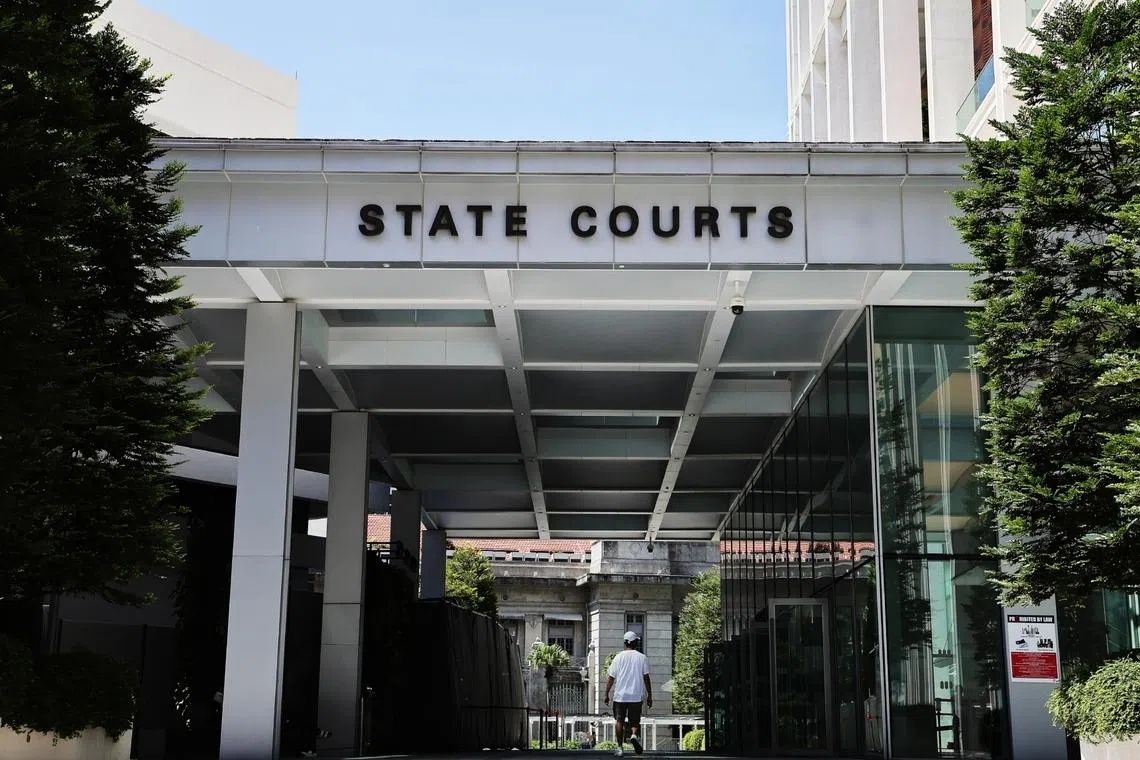
The arrest and subsequent investigation recovered stolen goods totalling S$105,000, making this one of Singapore's more significant residential burglary cases in recent times. On Friday, July 10, Huang appeared in court and pleaded guilty to two counts of housebreaking, acknowledging his culpability for the Sentosa hotel suite theft and the first Serangoon Gardens burglary. The failed third attempt was factored into the evidence but did not result in an additional charge, likely because he did not successfully steal anything from that residence.
The case raises important questions about border security, visitor screening, and residential safety in Singapore's affluent areas. That a foreign national could arrive, immediately identify wealthy neighbourhoods, research which homes were vacant, and execute sophisticated burglaries within 48 hours highlights potential gaps in early detection of criminal intent. For Malaysian readers and those across Southeast Asia, the case serves as a cautionary tale about international crime networks and the vulnerability of luxury residential communities to organised theft by travelling criminals.
Sentencing is scheduled for August 14, where the court will determine appropriate punishment for the confessed burglar. Given the scale of theft, the premeditation involved, and the clear targeting of foreign luxury properties, Huang faces a substantial custodial sentence. The case also likely has diplomatic implications, as Chinese nationals accused of serious crimes in Singapore typically draw scrutiny from Beijing, particularly when they plead guilty and face extended imprisonment.
For Singapore's property owners in exclusive enclaves like Sentosa and Serangoon Gardens, this case underscores the importance of robust home security systems, coordinated neighbourhood watch schemes, and ensuring that domestic staff are trained to challenge suspicious individuals. The fact that a simple gate-climbing entry method sufficed suggests that many luxury homes may rely on passive deterrents rather than active surveillance. Regional law enforcement agencies across Malaysia and neighbouring countries may draw lessons from how quickly such a crime spree was detected and dismantled through hotel record-checking and rapid police response.

