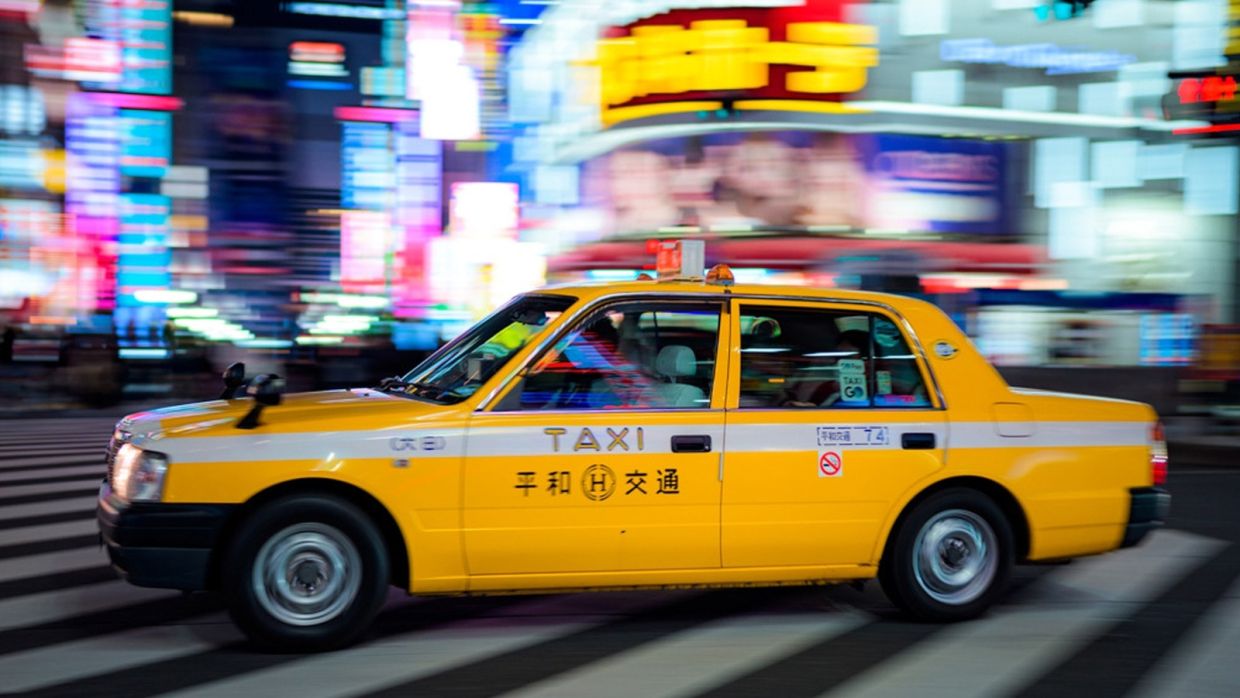
Police in Tokyo have arrested a 41-year-old Chinese national on charges of running an unlicensed transportation network that exploited Japan's regulated taxi system to ferry tourists across the capital. Wang Xiaoyu stands accused of violating the Road Transportation Act by systematically leasing vehicles registered to a legitimate chauffeur company he controlled to non-employees who then conducted illegal taxi operations targeting Chinese visitors and other passengers between February and April this year.
The scheme operated through Phoenix Kokusai, a company ostensibly licensed to provide "urban hire" services—a legal transportation category introduced in Japan in 2014. This classification permits vehicles to transport passengers only when booked in advance with a minimum two-hour charter requirement, fundamentally distinguishing them from conventional taxis that solicit fares on demand. Wang's operation systematically violated this regulatory boundary by allowing drivers unaffiliated with the company to use its vehicles for illegal point-to-point taxi services.
Investigators believe Wang extracted substantial profits from this arrangement, collecting approximately 38 million yen (roughly 233,000 US dollars) in fees from eighteen drivers for the privilege of operating under Phoenix Kokusai's name between November 2024 and May 2026. This financial arrangement—essentially franchising access to legal vehicle registration—proved far more lucrative than conventional taxi work, creating economic incentive for drivers willing to circumvent transportation regulations. The defendant has partially contested the allegations, though Tokyo Metropolitan Police maintain their evidence demonstrates systematic operation of an unlicensed service network.
The investigation gained traction after legitimate taxi operators lodged formal complaints with authorities, reporting that vehicles displaying the distinctive green licence plates characteristic of urban hire services were illegally soliciting passengers directly at Haneda Airport, Tokyo's primary international hub. This location proved crucial to the scheme's success—Haneda concentrates high volumes of arriving international tourists, particularly from China, who represent substantial demand for informal ground transportation. The use of green-plated vehicles as cover proved particularly effective because Japanese police struggle to identify illegal operations visually, as these legitimate registration plates offer no external indication of whether vehicles comply with operational restrictions.
Tokyo authorities have expanded their enforcement action beyond Wang, also arresting three additional Chinese nationals—all drivers involved in the taxi operations—under identical charges of violating the Road Transportation Act. These coordinated arrests suggest police view the matter as an organised scheme rather than isolated incidents, with Wang functioning as architect and administrator of the system rather than a passive participant.
The emergence of this case highlights systemic vulnerabilities in Japan's increasingly complex transportation regulatory framework. The urban hire category itself, designed to provide flexibility for charter services and reduce congestion from conventional taxis, has created regulatory grey zones that sophisticated operators can exploit. The identical visual presentation of legal and illegal vehicles using green plates compounds enforcement challenges, forcing police to conduct investigations into operational patterns rather than relying on easily identifiable markers. This gap between regulatory intent and enforcement reality mirrors problems authorities confront globally as technology and changing mobility preferences outpace traditional regulatory structures.
Japan's recent transportation landscape reflects the tension between accommodating tourism growth and maintaining regulatory integrity. According to the Ministry of Land, Infrastructure, Transport and Tourism, registered urban hire vehicles have proliferated dramatically, increasing from 3,868 vehicles in fiscal 2013 to 8,850 by fiscal 2024—a 129 percent expansion occurring simultaneously with Japan's tourism boom. This explosion in legal urban hire operations created genuine demand for drivers and vehicles, but simultaneously produced the infrastructure through which unlicensed services could operate with reduced detection risk. Each new vehicle registered in this category represents both legitimate transportation capacity and potential cover for illegal operations.
For Malaysian and Southeast Asian readers, this case carries particular relevance given the region's own rapid tourism growth and proliferation of ride-sharing and alternative transportation models. Many Southeast Asian jurisdictions grapple with similar tensions between formal regulation and informal service provision, particularly as technology enables new transportation arrangements that existing regulatory frameworks struggle to accommodate. The Tokyo case demonstrates how well-intentioned regulatory categories designed for legitimate flexible transportation can become tools for circumventing licensing and safety requirements.
Wang's arrest also underscores how Chinese-speaking networks operating in regional economies can organise service provision in ways that exploit regulatory differences and language barriers. Targeting Chinese tourists specifically proved logical because these passengers typically lack familiarity with Japanese transportation options and may lack Japanese language proficiency, reducing their likelihood of reporting transactions to authorities. This dynamic reflects broader patterns in regional travel where expatriate communities sometimes operate service networks operating partially outside formal regulatory frameworks.
The financial scale of Wang's operation—38 million yen across roughly five months—demonstrates substantial economic viability of unlicensed transportation. This profitability carries troubling implications because it suggests the scheme could expand significantly before detection, and similar models could be replicated in other transportation categories or jurisdictions lacking robust enforcement mechanisms. The relatively low legal risk, from Wang's operational perspective, compared to potential profits creates persistent incentive for exploitation.
Japanese authorities now face pressure to strengthen green plate vehicle monitoring while maintaining the legitimate urban hire sector's functionality. Potential solutions might include enhanced real-time tracking requirements, stricter driver vetting, and accelerated enforcement protocols when complaints surface. However, each regulatory enhancement risks hampering legitimate operators and creating compliance burdens that might shrink the urban hire sector's economic viability. This inherent tension between enforcement and innovation accessibility defines modern transportation regulation across developed economies globally.

