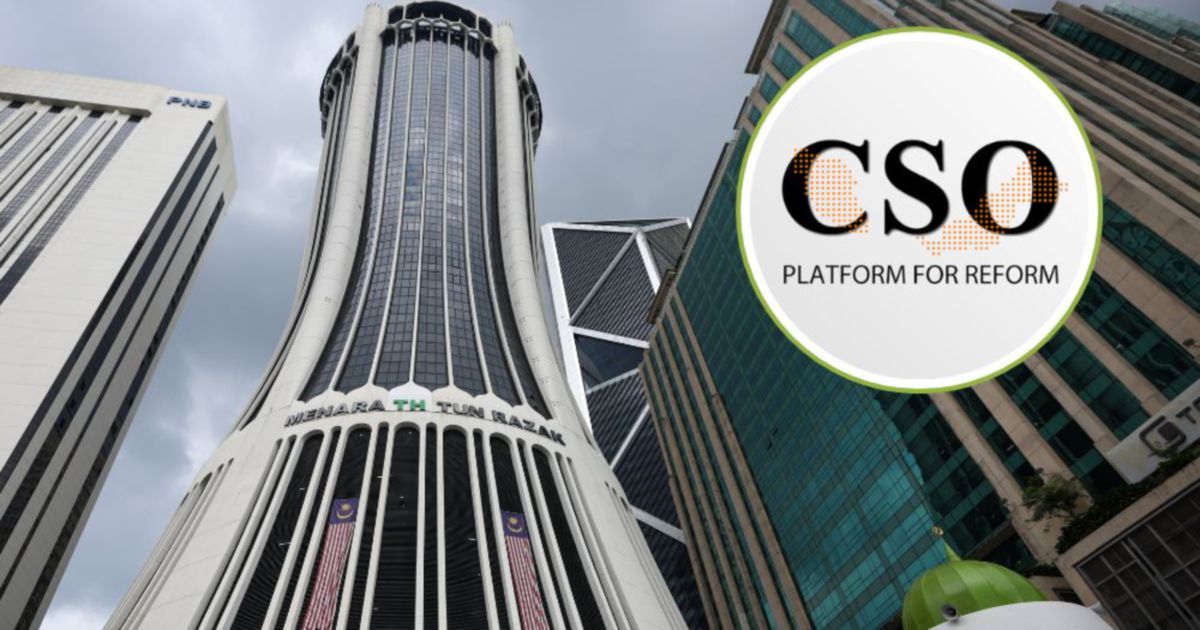
Malaysian civil society organizations have intensified pressure for an independent and transparent investigation into the institutional lapses that plagued Lembaga Tabung Haji, leveraging findings from the recently released Royal Commission of Inquiry report to push for systemic accountability. The CSO Platform for Reform has emerged as a key voice demanding that authorities move beyond the RCI's conclusions to establish a rigorous, impartial probe that examines both the structural weaknesses and decision-making failures that contributed to the pilgrimage fund's troubled trajectory.
The call represents a significant escalation in civil society engagement with the Tabung Haji crisis, which has dominated financial governance discussions in Malaysia for several years. Rather than accepting the RCI report as a final reckoning, reform advocates argue that a secondary independent investigation is essential to ensure that accountability mechanisms translate into tangible institutional changes. This dual-examination approach reflects growing skepticism about whether government-led inquiries alone can adequately address systemic corruption and mismanagement within state-linked entities.
Tabung Haji's challenges have reverberated throughout Malaysia's pilgrimage sector and broader financial ecosystem, affecting hundreds of thousands of depositors whose savings have been invested in the institution. The fund serves as a dedicated savings and investment vehicle for Malaysian Muslims preparing for the hajj pilgrimage, making its integrity crucial to both religious observance and personal financial security. When institutional failures are detected, they strike at the heart of public trust in entities designed to serve vulnerable savers and facilitate a fundamental religious obligation.
The RCI report has already documented significant governance failures, management missteps, and investment decisions that contributed to substantial losses. However, civil society contends that identifying problems is insufficient without comprehensive investigation into accountability chains. An independent probe could illuminate which individuals and structures failed in their fiduciary duties, how oversight mechanisms broke down, and what systemic vulnerabilities enabled problematic decision-making to persist unchecked for extended periods.
The CSO Platform for Reform's intervention underscores a broader regional trend where civil society organizations increasingly challenge government institutions to demonstrate genuine commitment to accountability. In Southeast Asia's context, where state-linked enterprises frequently struggle with governance standards comparable to private sector counterparts, independent scrutiny from non-governmental actors provides crucial counterweight to potential institutional defensiveness or political considerations that might influence official inquiries.
Transparency advocates emphasize that comprehensive investigation serves multiple constituencies. Affected depositors require clarity about how their funds were mismanaged and what mechanisms will prevent recurrence. The broader Malaysian public deserves understanding of how institutional failures occurred despite regulatory oversight. Future hajj pilgrims need assurance that their savings will be managed with appropriate safeguards. Additionally, other state-linked entities can learn systemic lessons only if investigations move beyond surface-level findings to examine root causes and preventative measures.
The timing of civil society's demand for independent investigation coincides with broader governance debates in Malaysia regarding institutional reform and accountability frameworks. The country has witnessed increased public scrutiny of state-linked companies, particularly regarding their financial performance, governance standards, and alignment with public interest. Tabung Haji has become emblematic of larger questions about whether Malaysia's regulatory architecture adequately protects public assets and enforces accountability for institutional leadership.
Civil society's call also reflects recognition that RCI findings, while authoritative, operate within particular constraints. Royal Commissions typically focus on factual investigation and recommendations but may not pursue prosecutorial accountability or detailed examination of personal responsibility as thoroughly as independent legal probes would. By advocating for complementary investigation, reform organizations are essentially arguing that institutional accountability requires layered scrutiny from multiple vantage points, each examining different dimensions of institutional failure.
The push for independent investigation carries implications for Malaysian regulatory culture more broadly. If authorities respond positively to civil society demands, it would signal willingness to embrace multi-stakeholder accountability approaches and accept that government institutions benefit from external scrutiny. Conversely, resistance to independent probing might suggest defensive postures that prioritize institutional protection over transparency, potentially undermining public confidence in reform commitments.
For Southeast Asian readers, the Tabung Haji situation illustrates challenges many countries face in managing state-linked financial institutions. Religious endowment funds, pilgrimage savings schemes, and similar entities across the region often operate at intersections of spiritual significance and financial complexity, requiring governance standards that honor both dimensions. Malaysia's experience offers instructive lessons about institutional design, oversight mechanisms, and accountability frameworks that neighboring Muslim-majority nations grapple with similarly.
The CSO Platform for Reform's intervention also highlights how civil society organizations increasingly function as governance watchdogs in Malaysian public discourse, challenging both government and private sector institutions to maintain accountability standards. Rather than relying solely on official mechanisms, reform advocates have mobilized to demand additional scrutiny, reflecting evolved expectations about transparent institutional governance and multi-stakeholder accountability in the digital age.
Moving forward, the adequacy of Malaysia's response to civil society's demands will significantly influence perceptions about governmental commitment to institutional reform. Whether authorities establish or endorse independent investigation will determine whether the Tabung Haji episode catalyzes systemic improvements in state-linked entity governance or represents a missed opportunity for deeper institutional reckoning.

