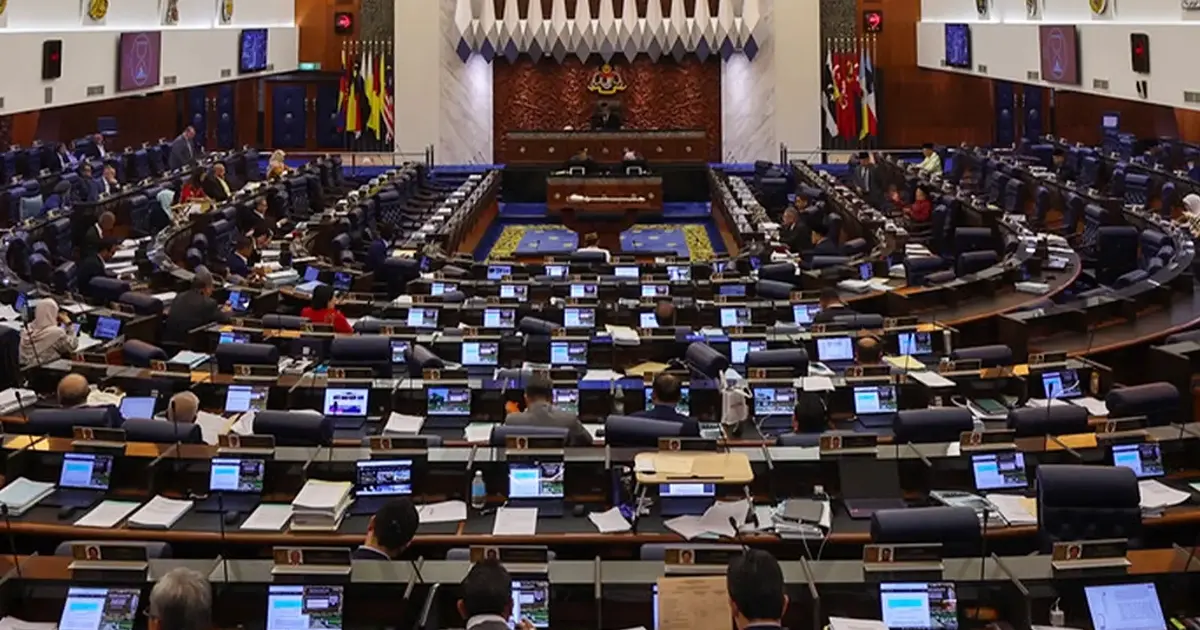
Civil society organisations across Malaysia have made an urgent call for the Prime Minister to orchestrate a high-level political summit bringing together both government and opposition figures to forge a shared reform programme ahead of the next general election. The proposal represents an attempt to depoliticise certain structural and institutional improvements that analysts argue could strengthen Malaysia's democratic foundations and governance frameworks, regardless of which coalition ultimately wins at the ballot box.
The appeal from these advocacy groups underscores growing concern among civic leaders that the nation's political system requires stabilisation and modernisation before the electorate returns to the polls. Rather than allowing reform initiatives to become entangled in electoral competition, the organisations contend that key governance improvements should transcend party lines and be implemented regardless of which administration holds the treasury benches. This reflects an understanding that institutional strengthening benefits all Malaysians and should not become hostage to the electoral cycle.
The emphasis on completing the current parliamentary term carries particular significance in Malaysia's recent political context, marked by coalition shifts, defections, and minority government configurations that have created uncertainty about governance continuity. Civil society groups view a full-term parliament as essential for implementing meaningful policy changes that require sustained legislative attention and cannot be rushed through crisis-management governance. The stability that comes with a complete term would provide the institutional bandwidth for ambitious reform agendas.
Cross-party cooperation on reform has gained traction in Malaysian discourse as political elites recognise that certain challenges—from anti-corruption measures to parliamentary procedures, electoral systems, and institutional transparency—demand solutions that transcend partisan calculation. When both government and opposition publicly commit to specific reforms, implementation becomes politically safer for whichever coalition subsequently takes power, as these measures carry the legitimacy of broad consensus. This arrangement also insulates reforms from accusations of partisan manipulation.
The call for a bipartisan reform pact reflects international best practices where democracies facing legitimacy questions or institutional weaknesses establish cross-party constitutional commissions or reform commissions. Singapore, Indonesia, and other regional neighbours have employed such mechanisms to rebuild institutional credibility. Malaysia's NGO sector appears to be advocating that the nation adopt a similar approach, creating a roadmap that transcends electoral contest but enhances systemic integrity.
Reform areas likely encompassed by such a pact would include strengthening anti-corruption institutions, enhancing parliamentary oversight mechanisms, clarifying electoral rules and procedures, improving judicial independence markers, and establishing clearer protocols for government formation. These domains have featured in multiple commission reports and reform agendas over the past decade, yet implementation has remained patchy and subject to political fluctuations. A cross-party agreement would provide the political cover necessary for sustained progress.
For Malaysian readers, the significance of this appeal extends beyond abstract governance concerns. Institutional reforms directly affect ordinary citizens' interactions with government agencies, their confidence in electoral processes, and their ability to hold leaders accountable through transparent mechanisms. When civic organisations call for reform pacts, they are essentially advocating that political elites prioritise citizen welfare and institutional health above short-term electoral advantage—a plea that resonates with voters increasingly frustrated by perceived political dysfunction.
The timing of this advocacy is strategically important, arriving as Malaysia navigates the period before GE16. Political scientists note that the pre-election window often represents the optimal moment for cross-party cooperation, as coalitions have incentive to demonstrate statesmanship and unity around national priorities. Once campaigning intensifies and partisan positioning hardens, securing agreement becomes exponentially more difficult. The NGO intervention attempts to capitalise on this fleeting window of political receptiveness.
Implementation mechanisms would likely involve establishing a bipartisan parliamentary committee or independent commission tasked with developing specific reform proposals, consulting stakeholders, and drafting legislation. Such bodies have proven effective elsewhere in building ownership across political divides and ensuring that reforms reflect diverse perspectives rather than single-party visions. The Malaysian Bar Council, professional associations, and academic institutions could potentially contribute technical expertise to such an undertaking.
From a regional perspective, Malaysia's adoption of formalised cross-party reform processes would signal maturity in its democratic institutions and potentially influence governance approaches across Southeast Asia. Conversely, failure to establish such frameworks during relatively stable political periods may indicate deeper structural fragmentation that undermines long-term democratic consolidation. The NGO appeal thus carries implications that extend beyond immediate parliamentary arrangements to Malaysia's broader democratic trajectory and regional standing.
Skeptics argue that establishing binding cross-party reform commitments proves difficult when governments face pressure to deliver partisan benefits to supporters, and opposition coalitions remain incentivised to differentiate themselves through alternative policy platforms. Yet proponents counter that foundational reforms concerning institutional integrity, electoral fairness, and governmental transparency serve all political actors' long-term interests by enhancing system legitimacy and citizen engagement. This framing represents an attempt to reorient political leaders toward recognising coincident interests beneath surface partisan competition.
The NGO community's intervention also reflects recognition that reform cannot depend entirely on political initiative alone. When civil society mobilises around specific governance objectives, political leaders face reputational pressure to respond substantively rather than dismissively. Public commitment to reform agendas creates accountability mechanisms that make subsequent backsliding more costly politically. This dynamic has historically proven effective in driving institutional change across democracies at various development stages.

