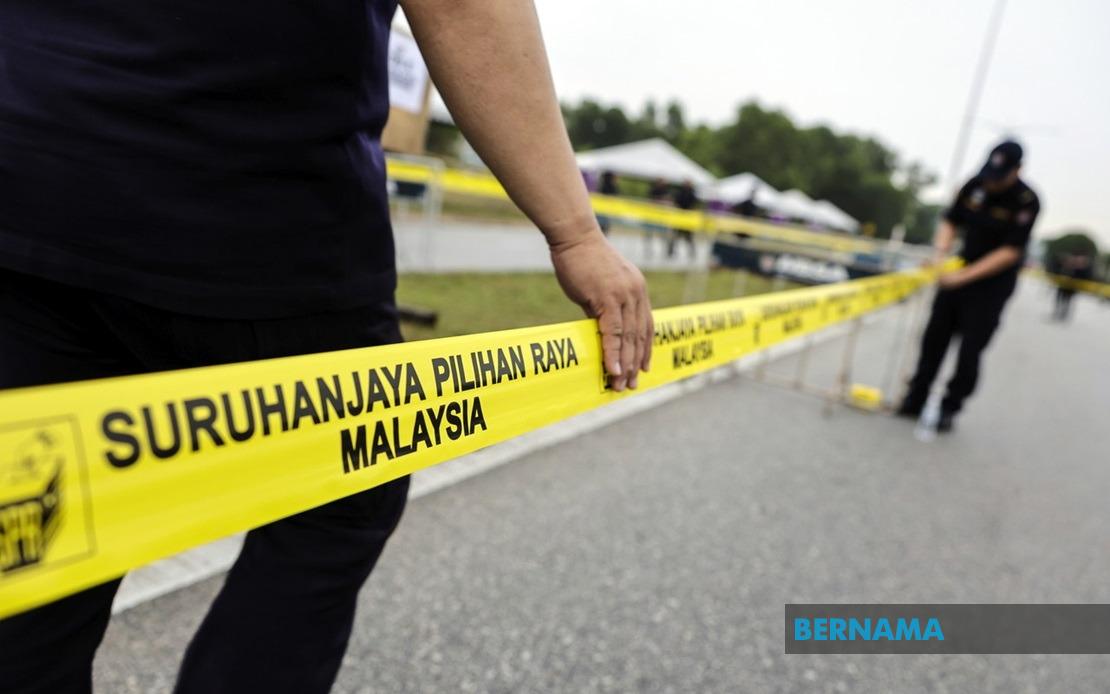
Voters and election officials in Negeri Sembilan can expect largely pleasant conditions during tomorrow's nomination proceedings, with the Malaysian Meteorological Department predicting fair weather across most of the state during morning hours. The forecast provides some relief to the hundreds of candidates, party supporters, and election workers who will be out mobilising during the crucial first stage of the 16th state election. However, those heading outdoors must prepare for deteriorating conditions as the day progresses, with significant thunderstorm activity anticipated during afternoon hours.
According to Dr Mohd Hisham Mohd Anip, director-general of MetMalaysia, five districts will enjoy the clearest conditions in the morning: Jelebu, Jempol, Kuala Pilah, Rembau and Tampin are all set to experience uninterrupted fine weather during the nomination filing period. This geographic distribution means that candidates and supporters in the interior and southern portions of the state will face fewer weather-related obstacles as they conduct their campaign activities and attend nomination ceremonies. The eastern districts, by contrast, are positioned away from the coastal influence that will bring morning rainfall to other areas.
Port Dickson and Seremban present a different meteorological picture, with both the coastal zone and the state capital expecting rain during morning hours. This development carries particular significance given that Seremban hosts one of the eight nomination centres where candidates will formally register their candidacies between 9 am and 10 am. Election workers and candidates converging on the state capital should anticipate wet conditions and should factor additional time into their travel plans, as morning downpours could complicate logistics and candidate movements across the nomination venues.
Temperature conditions will remain typical for mid-July in Peninsular Malaysia, with MetMalaysia forecasting minimum temperatures between 23 and 24 degrees Celsius overnight and daytime highs reaching 32 to 33 degrees Celsius. These warm and humid conditions, combined with the anticipated afternoon thunderstorms, point to the kind of unstable atmospheric pattern common during the southwest monsoon period. The combination of heat, moisture, and afternoon heating creates ideal conditions for convective storm development, explaining why thunderstorms rather than sustained rainfall are expected.
Crucially, MetMalaysia has characterised the anticipated rainfall as temporary and non-threatening to the nomination process. Dr Mohd Hisham stressed that rain is expected to arrive in brief, passing showers rather than developing into prolonged downpours that might disrupt election operations. This distinction matters significantly for election logistics, as nomination centres should be able to maintain continuous operations throughout their designated four-hour window. The forecast suggests that any rainfall interruptions will be episodic rather than sustained, allowing the nomination process to proceed without major disruptions.
The nomination process itself will unfold at eight designated centres across the state, with all venues opening simultaneously at 9 am and closing at 10 am. This compressed timeframe means that all registered candidates must lodge their nomination papers within this single hour, creating a concentrated burst of electoral activity. The returning officers will then announce the final list of confirmed candidates following the nomination deadline, setting the stage for the campaign period that will extend until polling day on August 1.
The political landscape shaping this election reveals a multi-cornered contest reflecting Malaysia's increasingly fragmented party system. Pakatan Harapan will field candidates in all 36 state seats, with PKR contesting the largest share at 16 seats, followed by DAP with 11 and Amanah with nine. This coalition's decision to contest every seat signals its confidence in the state and its ambitions for maintaining or gaining ground after the state assembly's dissolution on June 5. Barisan Nasional has adopted a more selective approach, contesting 25 seats with UMNO fielding 16 candidates, MCA contributing seven, and MIC providing two, suggesting a more targeted strategy focused on defending specific constituencies.
Perikatan Nasional's entry into the contest with 11 candidates illustrates how the Perikatan alignment continues to compete for influence in state-level politics. PAS will field five candidates, Wawasan Negara four, with Gerakan and MIPP each contributing one. This composition reflects the alliance's effort to project broad-based support while relying heavily on its Islamic-oriented component in PAS. The emergence of smaller parties also reflects genuine political contestation, with ASLI, PSM and Berjasa each nominating single candidates. Bersatu's anticipated candidate announcement later today will complete the picture of political forces competing for the 36 legislative seats.
The electoral participation across Negeri Sembilan remains substantial, with 889,490 registered voters eligible to participate in the August 1 polling day. This electorate comprises 867,151 ordinary voters, alongside 16,884 military personnel and their spouses entitled to early voting on July 28, and 5,455 police personnel also eligible for early voting. The early voting provisions for security personnel reflect Malaysia's longstanding practice of facilitating their participation despite operational commitments. The overall voting population demonstrates significant electoral engagement in this state-level contest, with more than 40 percent of Malaysia's eligible voters across the peninsula called to participate in this single state election.
For all participants in tomorrow's nomination proceedings, MetMalaysia has recommended staying informed through its official website and platforms. The meteorological department's advisory carries practical importance, as unexpected weather can affect campaign schedules and candidate movements in the hours immediately following nomination. Candidates and their teams should factor afternoon thunderstorm probabilities into their post-nomination campaign planning, potentially scheduling indoor events or press conferences for late afternoon when downpours are most likely. The fine morning conditions offer an optimal window for outdoor nomination day activities, candidate appearances, and media engagements before afternoon weather deterioration.
The weather forecast represents just one of many logistical factors election officials and political parties must coordinate during nomination day. The compressed one-hour filing window creates unusual pressure on candidates to have all documentation prepared and verified in advance. Combined with morning rain in key locations like Seremban and afternoon thunderstorms statewide, these conditions test the coordination and planning capabilities of all participating parties and the Election Commission. Nevertheless, the predominantly favourable morning conditions and temporary nature of forecast rainfall suggest that the nomination process should proceed smoothly, allowing Negeri Sembilan to move forward with its scheduled campaign period and August 1 polling day.

