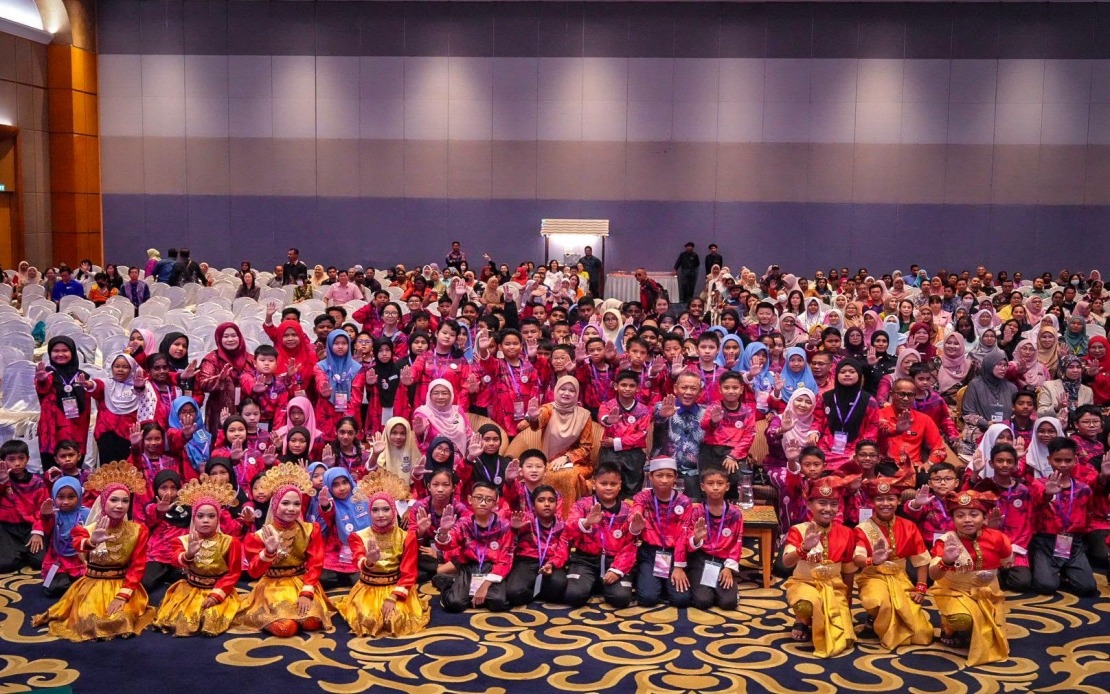
Education Minister Fadhlina Sidek has underscored the pressing need for a comprehensive and strategically coordinated response to mounting school safety concerns, emphasizing that protecting students requires unwavering commitment from every sector of society. Speaking during the Mutiara Diri Programme, which also drew participation from Negeri Sembilan Menteri Besar Datuk Seri Aminuddin Harun, Fadhlina articulated a clear vision for Malaysian schools as spaces where children can learn, develop, and thrive without fear or threat to their physical or emotional wellbeing.
The education landscape has become increasingly complicated by the multifaceted nature of safety challenges facing students and staff. These range from traditional security concerns to emerging issues surrounding bullying, mental health crises, and digital threats. Fadhlina's intervention reflects growing recognition within the Ministry of Education that no single institution or government agency can adequately address these challenges in isolation, necessitating a framework that binds together administrators, teachers, parents, healthcare professionals, and community leaders in a unified mission.
A cornerstone of the minister's approach involves rebuilding and maintaining public confidence in Malaysia's school system. Parents entrusting their children to educational institutions must feel assured that comprehensive safeguards exist to protect them throughout the school day. This confidence has been tested in recent years as various incidents have highlighted gaps in safety protocols and emergency response procedures. By framing school safety as a non-negotiable priority, Fadhlina signals to parents that the Ministry takes their concerns seriously and is committed to continuous improvement.
The Ministry of Education has established safety guidelines and child protection policies designed to serve as binding frameworks across all educational institutions under its jurisdiction. However, guidelines alone prove insufficient without genuine, sustained compliance and proper implementation at ground level. Schools operate in diverse contexts with varying resource capacities, which means uniform application requires ongoing monitoring, support, and capacity-building for administrators and staff who bear responsibility for enforcement.
Mental health emerges as a parallel pillar in this comprehensive strategy. Students facing emotional distress, anxiety, depression, or suicidal ideation represent a vulnerable population requiring proactive identification and intervention. The traditional focus on physical security measures has sometimes overshadowed the equally critical dimension of psychological wellbeing. By elevating mental health awareness alongside physical safety protocols, the ministry acknowledges that a truly safe school ecosystem encompasses both dimensions of student welfare.
Fadhlina's call to parents and educators carries particular significance for Southeast Asia's education landscape. In Malaysia, where rapid urbanization, academic pressure, and social change create complex stressors for young people, schools function as more than academic institutions—they serve as primary spaces where children spend formative years developing socially and emotionally. When safety concerns persist, they undermine the educational mission itself and can have long-lasting impacts on student development and psychological outcomes.
The Mutiara Diri Programme itself represents an advocacy initiative specifically designed to confront student safety issues systematically. Rather than treating school safety as a reactive matter addressed only after incidents occur, this programme positions prevention and awareness-building at the forefront. Such initiatives can foster cultural change within schools, encouraging open dialogue about safety concerns and creating reporting mechanisms that empower students and staff to raise issues without fear of retaliation.
Parental engagement stands as a critical variable in this equation. Parents and guardians possess unique insights into their children's emotional states, behavioural changes, and social interactions. When schools maintain strong communication channels with families and actively invite parental input into safety planning, protective capacity increases significantly. Conversely, when parents feel excluded from conversations about school safety, opportunities to identify at-risk students may be missed, and critical early interventions become impossible.
Educators occupy frontline positions in implementing these safety frameworks. Teachers and school administrators spend more time with students than any other adult institution and possess unparalleled opportunity to observe warning signs of distress, conflict, or danger. Equipping educators with training in mental health literacy, trauma-informed practice, and crisis intervention directly enhances the protective environment within schools. Investment in educator development thus becomes investment in student safety.
The minister's emphasis on creating a "safe, dignified, and prosperous" environment for children reflects international child rights frameworks while grounding these principles in Malaysia's specific context. Dignity refers not only to freedom from physical harm but also to respectful treatment, inclusive practices, and recognition of each student's inherent worth. Prosperity encompasses both academic success and holistic development—artistic, athletic, social, and emotional growth.
Implementing this comprehensive approach will require sustained resource allocation, regular training and updates, robust accountability mechanisms, and genuine inter-agency coordination. The Ministry of Education cannot accomplish this mission alone; it must work alongside health ministries, law enforcement, child protection agencies, and civil society organizations. Within schools themselves, administrators must foster cultures where safety concerns receive serious attention and student voices are genuinely heard.
As Malaysia continues developing its education system, the conversation around school safety increasingly reflects global best practices emphasizing prevention, mental health, and community partnership rather than purely reactive security measures. Fadhlina's articulation of this vision signals that Malaysian policymakers recognize school safety as integral to national development, affecting not only individual students' wellbeing but the social cohesion and human capital development essential for the country's future.

