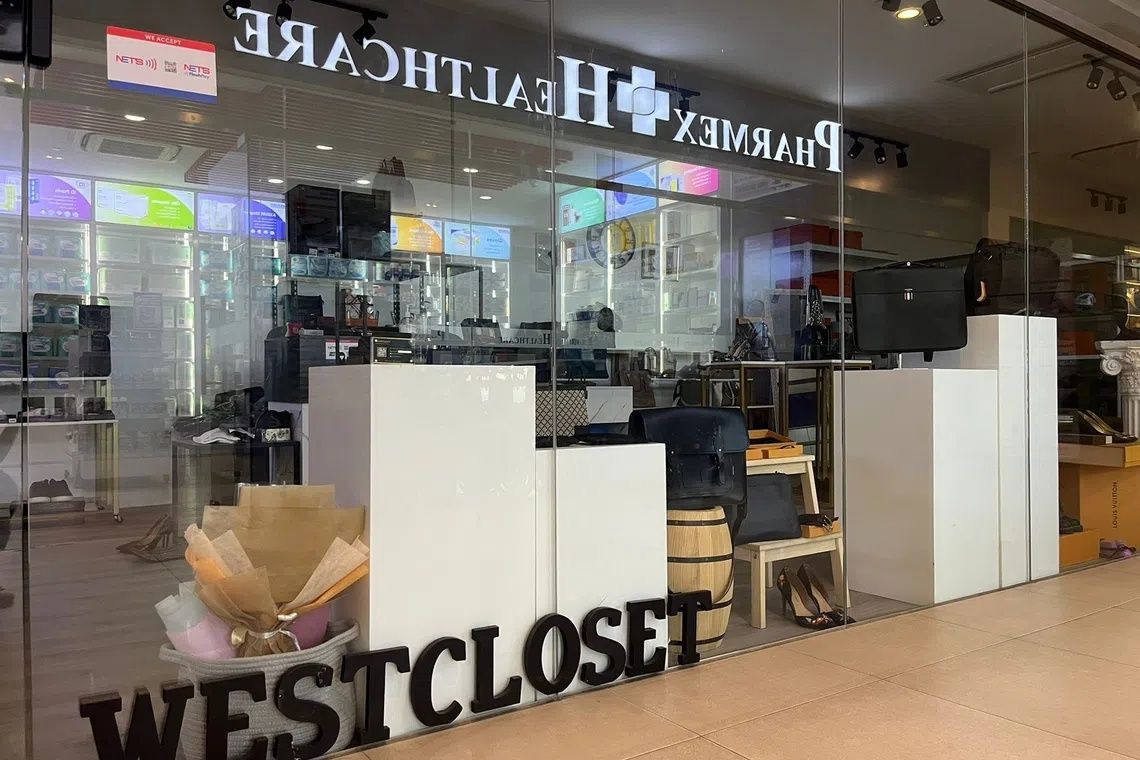
A 36-year-old Indonesian operator of a high-end consignment store in Singapore's Shenton Way has been handed an eight-month prison sentence after pleading guilty to misappropriating funds from multiple customers. Ringga Dwi Rizky Irianto ran West Closet, a business located within the OUE Downtown Gallery shopping mall, which specialised in selling designer handbags on behalf of their owners. The scheme collapsed when investigators uncovered that she had systematically diverted customer proceeds for personal purposes, leaving five individuals out of pocket by a combined amount approaching S$140,000.
The nature of the business made it an attractive target for fraud. West Closet advertised its services primarily through social media platforms Instagram and the online marketplace Carousell, promising customers a straightforward process: leave your luxury bag with the store, and once sold, receive your payment within seven days of the transaction. The business model itself was legitimate—the store would take a commission ranging from S$200 to S$900 for facilitating each sale. Customers were required to leave their bags at the store for a 60-day period, with a S$60 penalty imposed if items were not collected within that timeframe. This structure built trust among affluent sellers seeking a convenient way to liquidate their designer collections.
The fraud emerged through a pattern of behaviour that became increasingly brazen. In one documented case, a victim consigned three bags—two Hermès and one Chanel—to West Closet in July 2022, with Ringga providing explicit written guarantees that the items would fetch S$51,000 combined and that payment would be transferred to the victim's bank account within seven days of sale. Ringga did indeed sell all three bags and collected the full S$51,000 in proceeds. Rather than transferring the money as promised, she diverted the entire sum to cover another customer's order, leaving the original victim without their funds. This was not an isolated incident but part of a calculated pattern affecting multiple clients.
The scope of the theft extended across several victims through similar mechanisms. A second customer who had placed a Hermès bag with the store lost S$33,500 when Ringga appropriated the sale proceeds. A third victim, having also entrusted a Hermès bag to West Closet, suffered a loss of S$23,500 through identical means. These three cases alone accounted for S$108,000 in total misappropriated funds, the amount covered by the three counts of criminal breach of trust to which Ringga pleaded guilty. Two additional charges related to the remaining victims and the broader S$140,000 total were taken into consideration during sentencing, suggesting the full extent of the fraud was even wider than the principal charges indicated.
The investigation and legal process took considerable time to unfold. Ringga was arrested in September 2022, roughly two months after the first documented theft, but was not formally charged until 2024. This delay between arrest and prosecution is not uncommon in complex fraud cases where authorities must gather substantial documentation and coordinate with multiple victims. The extended timeline also reflects the resources required to build an airtight case involving multiple transactions and financial records. When charges were finally filed, they carried the potential for severe punishment—Singapore law permits sentences of up to seven years imprisonment, fines, or both for each count of criminal breach of trust.
Though she has made partial restitution, the full financial reckoning remains outstanding. Ringga has already paid S$41,000 back to her victims, demonstrating some level of financial capacity to make amends. However, the court ordered her to pay an additional S$91,950 in compensation through an investigation officer managing her case. Should she fail to meet this obligation, she faces an extra 24 days in jail on top of her eight-month sentence. Her bail was set at S$15,000 when the sentence was handed down on August 13, and she is expected to begin serving her jail time in October, allowing time to arrange personal and financial matters before incarceration.
The case carries broader implications for the second-hand luxury goods market in Singapore and the region. Consignment businesses operate in a space that requires customers to trust operators with high-value items and the proceeds from their sale. This incident demonstrates how inadequate oversight and insufficient safeguards can enable fraud on a significant scale. Customers who engage with consignment services, whether for designer bags, watches, or other luxury goods, typically have limited recourse if operators misappropriate funds—they are unsecured creditors relying primarily on the integrity of the business owner. The case underscores why consumers should seek out operators with proven track records, clear contractual terms, and ideally, some form of insurance or escrow arrangement protecting their interests.
For Southeast Asian readers and consumers across the region who engage in luxury resale markets, the conviction offers a cautionary lesson about due diligence. While consignment remains a popular and legitimate way to sell high-value items, particularly among expatriates and affluent professionals in major cities like Singapore, Kuala Lumpur, and Bangkok, this case illustrates that even seemingly professional operations with active social media presence can conceal fraudulent intent. The use of platforms like Instagram and Carousell to build a facade of legitimacy was part of Ringga's strategy—modern technology and social proof can mask underlying criminal activity. Consumers should verify business registrations, seek references from other users, establish clear written agreements specifying payment timelines and security measures, and consider whether operators maintain transparent financial accounting that can be independently verified.

