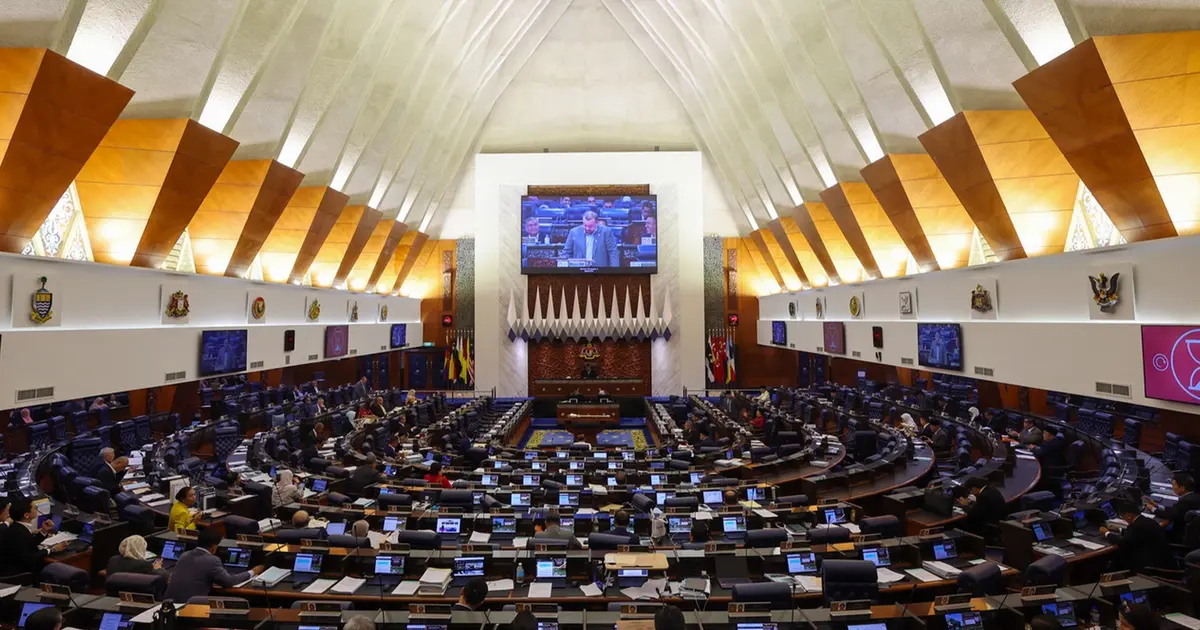
The Malaysian parliament faces a busy week beginning Monday as lawmakers prepare to deliberate on four substantial bills, with renewed focus on a constitutional amendment that would restrict future prime ministers to a single decade in office. The most scrutinised measure—the bill capping the Prime Minister's tenure at ten years—returns to the Dewan Rakyat after its initial presentation during the previous parliamentary session ended without the supermajority backing necessary for passage.
The term limit proposal represents a significant constitutional intervention into Malaysia's executive framework. Currently, the office carries no statutory ceiling on continuous service, allowing prime ministers theoretically unlimited consecutive terms provided they retain parliamentary confidence. The ten-year cap would align Malaysia more closely with international democratic norms seen across numerous Commonwealth nations and neighbouring regional democracies, though it remains a contentious proposition within Malaysia's political establishment.
During its earlier appearance before parliament, the legislation fell short of the two-thirds majority threshold required for constitutional amendments under Malaysia's fundamental law. This supermajority requirement reflects the gravity with which constitutional changes are treated, ensuring that such modifications enjoy broad cross-party consensus rather than reflecting the preferences of a simple parliamentary majority. The failure to achieve this benchmark the first time signals either insufficient political appetite for the measure or strategic disagreement over its provisions among coalition partners and opposition blocs.
The return of this bill to the parliamentary agenda underscores persisting interest within government circles and reformist quarters regarding constraints on executive power concentration. Advocates argue that imposing reasonable tenure limits promotes democratic health by preventing indefinite incumbency, reducing the incentive for authoritarian consolidation, and encouraging orderly succession planning. Such provisions are increasingly recognised internationally as prudent institutional safeguards, particularly within developing democracies seeking to entrench democratic practices.
Opposition to the term limit concept emerges from various quarters, often reflecting concerns that such restrictions could create problematic constitutional vacuums during critical national moments or constrain the electorate's theoretical freedom to retain experienced leadership if deemed necessary. Critics contend that electoral accountability through periodic general elections provides sufficient constraint on executive overreach without requiring additional statutory tenure caps. These philosophical disagreements extend beyond Malaysia's borders, with academic and practitioner communities worldwide remaining divided on whether fixed term limits strengthen or weaken democratic governance.
The three accompanying bills completing Monday's legislative menu remain less publicly prominent but nonetheless merit parliamentary attention. Their specific substance varies, though government statements typically emphasise their importance to administrative efficiency, institutional modernisation, or policy implementation within priority areas such as economic development, public administration, or social provision. The particular composition of this legislative package suggests deliberate governmental planning to advance multiple reform initiatives simultaneously.
Parliament's proceedings unfold against Malaysia's broader political landscape, where questions of governance quality, institutional integrity, and democratic practice occupy increasing prominence in public discourse. Successive electoral cycles and coalition realignments have intensified scrutiny of executive accountability mechanisms and constitutional protections against power concentration. This context renders the term limit debate more than abstract constitutional philosophy—it reflects practical Malaysian anxieties regarding governance standards and institutional trustworthiness.
The supermajority requirement for constitutional passage creates strategic complications for legislators supporting the term limit bill. Success demands not merely commanding a parliamentary majority but persuading additional lawmakers across potential party lines to achieve the elevated threshold. This necessitates either genuine cross-party conviction regarding the measure's merit or sophisticated coalition management building support incrementally from sympathetic opposition members. Previous failures suggest neither condition proved sufficiently robust, implying this week's iteration faces similar substantive hurdles unless underlying political calculations have shifted.
International observers monitoring Malaysian constitutional development will note the term limit debate's implications for Southeast Asian democratic institutions. Malaysia occupies a significant position within regional discussions of governance quality and democratic resilience. Whether parliament ultimately embraces executive tenure limitations carries symbolic weight beyond Malaysia's borders, potentially influencing neighbouring countries' constitutional deliberations and reflecting regional trends toward either strengthening or relaxing constraints on executive power.
Legislative success for the term limit bill would represent a meaningful constitutional milestone, codifying principles many Malaysian civil society organisations, academic institutions, and international democratic advocates have championed. Conversely, continued parliamentary rejection would suggest either insufficient political consensus regarding executive constraints or strategic unwillingness among governing coalitions to accept constitutional modifications reducing their theoretical future policy flexibility. The distinction matters considerably for understanding Malaysian democratic maturation and the relative weight accorded institutional safeguards versus majoritarian decision-making prerogatives.
Monday's parliamentary session thus crystallises competing visions of Malaysian governance architecture. Supporters envision constitutional frameworks incorporating reasonable executive constraints protecting against power concentration risks, while sceptics prioritise flexibility and parliamentary sovereignty. The week's deliberations will illuminate which perspective commands greater parliamentary allegiance and whether the supermajority threshold continues proving insurmountable to this reform agenda.

