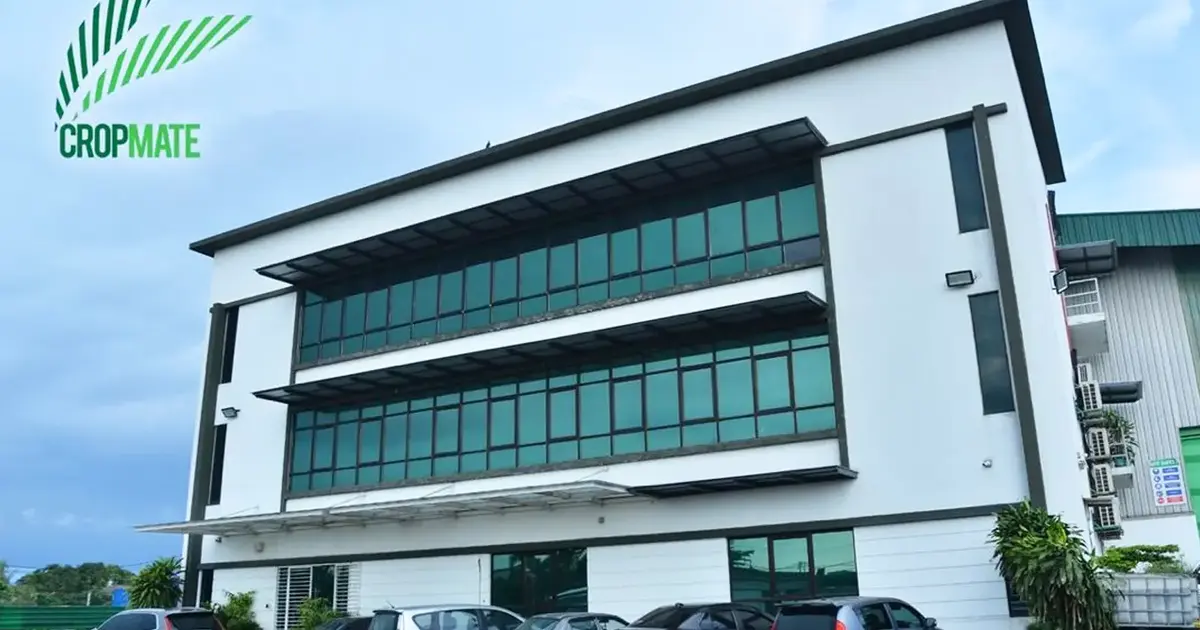
Malaysian fertiliser company Cropmate has secured the release of its frozen bank accounts, marking a potential resolution to what appears to have been a significant operational disruption for the agricultural input supplier. The company's statement emphasising the unfreezing of accounts comes after what observers suggest was a period of heightened regulatory scrutiny or investigation affecting the firm's financial operations. The timing of the account release suggests either the completion of relevant inquiries or the satisfaction of conditions that had prompted the initial freeze.
The implications of frozen bank accounts for a fertiliser business extend well beyond simple cash flow disruption. For a company operating in the agricultural sector, which depends heavily on timely inventory management and farmer credit arrangements, the inability to access funds represents a critical operational vulnerability. Fertiliser firms typically operate on relatively thin margins, with substantial working capital requirements to maintain warehouse stock, manage supplier relationships, and extend credit to distributors and farming cooperatives. A prolonged freeze would have rippled through the entire supply chain, potentially affecting farmer access to critical soil nutrients during crucial planting seasons.
Cropmate's explicit confirmation that neither its employees nor its directors have been arrested or charged carries particular weight in the Malaysian business context. Such assurances address a common concern among stakeholders—suppliers, distributors, financial partners, and customers—about the stability and legitimacy of the enterprise. In a market where agricultural input supply chains are integral to national food security, reputational questions can undermine business relationships and farmer confidence even after technical regulatory issues are resolved. By proactively clarifying the legal status of its leadership, the company seeks to rebuild market confidence and signal operational continuity.
The fertiliser sector in Malaysia and Southeast Asia has faced increased regulatory attention in recent years, driven by multiple concerns including environmental compliance, international trade obligations, and supply chain transparency. Authorities across the region have become more focused on tracking commodity movements, particularly products with dual-use implications or those subject to international agreements. Companies in this space must navigate complex requirements spanning environmental standards, agricultural ministry oversight, and financial regulatory frameworks. The frozen accounts situation, while undisclosed in terms of specific cause, reflects the heightened compliance environment affecting fertiliser distributors and manufacturers throughout the region.
For Malaysian farmers and agricultural cooperatives reliant on steady fertiliser supply, news of Cropmate's account release offers reassurance of continued access to products. The country's agricultural sector, which contributes meaningfully to both food security and rural employment, depends on reliable input suppliers. Disruptions to fertiliser availability can cascade rapidly through the planting cycle, forcing farmers to source alternative products at potentially higher costs or miss optimal application windows. Cooperatives that may have extended credit to member farmers based on expected Cropmate supply would face particular pressure during account freeze periods.
The company's financial recovery depends on more than simply regaining account access. It must rebuild relationships with partners who may have sought alternative suppliers during the freeze period. In the competitive fertiliser distribution market, once customers divert to competing brands or suppliers, winning them back requires sustained effort and often price adjustments. Retailers and agricultural input stockists that had to scramble for alternative sources may have established new supply relationships that proved satisfactory. Cropmate therefore faces a window of opportunity but no guarantee of automatic restoration of previous market share.
The broader fertiliser market in Southeast Asia has been subject to international commodity price volatility, supply chain disruptions related to geopolitical events, and shifting agricultural practices. Against this complex backdrop, domestic regulatory issues affecting individual suppliers can seem marginal. Yet for the farming communities these companies serve, local supply reliability matters considerably. Fertiliser costs represent substantial portions of farming input budgets, particularly for smallholder farmers operating on thin margins. Price increases or supply shortages translate directly into reduced profitability or, in worst cases, production losses.
Cropmate's situation also illustrates broader tensions between regulatory oversight and business continuity. Authorities investigating potential compliance issues must balance the need for thorough inquiry against the economic consequences of operational freezes affecting suppliers, workers, and customers. In the case of a fertiliser firm, the implications extend to the agricultural sector and ultimately to food supply stability. Companies emerging from regulatory scrutiny often emerge with strengthened compliance frameworks, though this period of rebuilding requires patience from stakeholders.
Moving forward, Cropmate's focus will likely centre on demonstrating sustained regulatory compliance and operational normalcy to restore stakeholder confidence. The company will need to communicate transparently with its distribution network about product availability, pricing, and any operational changes implemented during or after the account freeze period. For farmers and cooperative managers considering their supplier relationships, the proven ability to maintain consistent supply and product availability will matter far more than past disruptions.
The release of frozen accounts represents a necessary but insufficient foundation for genuine recovery. Cropmate must now execute a comprehensive stakeholder engagement strategy encompassing suppliers, distributors, customers, and regulators. In Malaysia's agricultural sector, where personal relationships and demonstrated reliability underpin business relationships, rebuilding this trust will require time and consistent performance. The company's next phase involves converting regulatory clearance into renewed market confidence and stable business operations.

