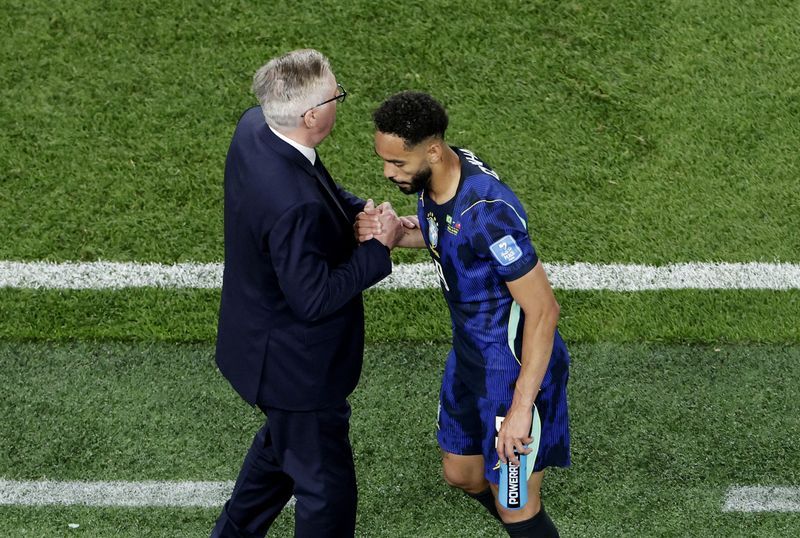
Brazil's commanding 3-0 performance against Haiti in Philadelphia on June 19 offered the first substantive evidence that Carlo Ancelotti's team may be finding its footing, though the Italian coach's work remains far from complete. The comfortable victory came as significant relief following the underwhelming 1-1 Group C opener against Morocco, a result that had left supporters questioning whether this talent-laden squad could rediscover the fluency and rhythm necessary to compete at the highest level.
Ancellotti's decision to overhaul his attacking setup proved immediately impactful. The introduction of Matheus Cunha in place of Igor Thiago represented the most consequential change, fundamentally altering how Brazil connected play through midfield into attack. Where the side had previously struggled to build natural combinations in the final third, Cunha's positioning and movement immediately created clearer passing angles and gave teammates more time on the ball. His tireless running and willingness to drift into pockets of space provided precisely the kind of dynamic link between midfield and forwards that had been conspicuously absent.
The tactical shift also allowed Ancelotti's much-discussed diamond midfield formation to function more coherently. Lucas Paquetá, heavily criticised for an ineffectual display against Morocco, appeared far more purposeful when deployed on the left side of the diamond structure. Operating with clearer instructions and better tactical support from Cunha, Paquetá combined neatly with Vinicius Jr and showed the alertness and involvement that had been missing in his previous outing. This left-sided corridor became Brazil's primary avenue of attack, with most of the side's goals flowing directly from combinations originating in that area.
The partnership between Cunha, Paquetá and Vinicius highlighted what Brazilian football has sorely lacked since Neymar's serious injury derailed continuity in the squad. Vinicius found himself with considerably more support and space than he has enjoyed in recent national team appearances, allowing him to operate with greater freedom and influence the game more decisively. Cunha's intelligent movement created a triangular passing pattern that stretched Haiti's defence and gave Brazil's most creative players room to express themselves. The ease with which these three combined suggested that Ancelotti may have unlocked a potential attacking blueprint for the remainder of the tournament.
However, the victory exposed critical vulnerabilities on the opposite flank. Raphinha failed to impose himself for a second consecutive match, struggling to adapt to the wide positioning that differs markedly from his club role. Having already missed a training session earlier in the week due to blisters, the Barcelona winger appeared blunt and imprecise from the opening moments. His timing was consistently off, passes went astray, and he lacked the incisiveness that Brazil's attack demands from its wide players. The substitution decision reflected both Raphinha's physical condition and his inability to find rhythm in a system that may not be optimally suited to his strengths.
The right-wing conundrum represents a genuine strategic headache for Ancelotti heading into future matches. Raphinha typically operates in a more dynamic, roaming capacity at club level, similar to how Cunha functioned so effectively on the left against Haiti. Moving him to a narrow, static wide position appears to neutralise his primary attacking attributes. The alternatives are equally concerning—Rayan failed to settle when introduced as a replacement, while Luiz Henrique emerged as the more credible backup option should injury or poor form force another change.
Defensive concerns also linger regarding the midfield's ability to withstand pressure from stronger opponents. Casemiro, now 34 years old, will face a genuine examination against nations that possess more dynamic and incisive attacking movements than Haiti demonstrated. One potential solution involves pushing Bruno Guimarães deeper from his right-midfielder position to provide additional defensive stability and ball-progression capability from a more withdrawn role. Such an adjustment would sacrifice attacking width but gain crucial midfield ballast that could prove invaluable in knockout stages.
Although Haiti offered limited resistance and presented few technical challenges, Brazil's performance represented clear progress from their opening stalemate. The display lacked the commanding authority or attacking brilliance that supporters expect from a five-time World Cup champion, yet it demonstrated a tangible improvement in shape, understanding and collective movement. Ancelotti appears to have identified a workable formation and a functional attacking combination, even if vulnerabilities elsewhere require urgent attention.
The weeks ahead will provide considerably sterner tests. Opponents such as Scotland will expose defensive frailties and demand greater intensity and tactical discipline than Haiti could muster. Whether Cunha's introduction and the diamond midfield restructuring prove sufficiently robust against superior competition remains the crucial unanswered question. What Ancelotti has established, however, is a clearer sense of direction—something Brazil's supporters have craved since the tournament's inauspicious beginning.

