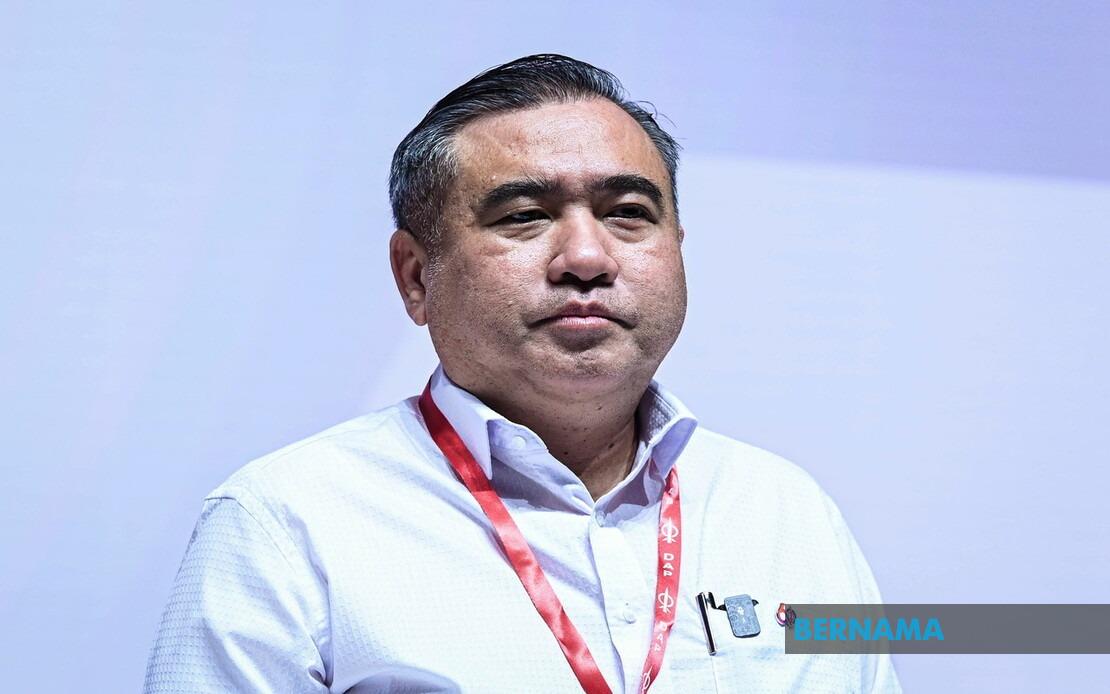
The Democratic Action Party has committed to bringing its members' demands for a more decisive and assertive government directly to cabinet discussions, according to party secretary-general Anthony Loke following the party's 2026 conference held in Putrajaya. The undertaking emerged after the DAP held an open debate session allowing delegates to voice concerns about both the party's direction and government performance, marking a transparent approach to internal party dissent during what proved to be a contentious conference.
Loke explained that the party intends to funnel the various suggestions and criticisms expressed by grassroots members through official cabinet channels, ensuring these grassroots perspectives inform government decision-making at the highest levels. This approach reflects the DAP's commitment to maintaining communication lines between party membership and the executive branch, particularly regarding substantive policy matters. The channelling of delegate feedback represents a practical mechanism for the party to maintain influence over governmental direction while operating as part of the governing coalition.
The conference resulted in a decisive vote supporting the party's continued participation in the Unity Government, with 1,857 delegates voting to stay compared to 242 in favour of withdrawing from the arrangement. This represents 88 per cent support for maintaining the coalition partnership, though the substantial minority opposing this position—242 dissenting votes—indicates genuine internal debate within the party's ranks. Seven ballots were spoilt during the voting process out of 2,106 total papers issued, confirming the legitimacy of the democratic exercise.
Loke emphasized his respect for the democratic process and the minority perspective, noting that no disciplinary action would be taken against the 12 per cent of delegates who voted against continuing in government. This stance demonstrates the DAP's commitment to internal pluralism and suggests the party leadership recognizes the legitimacy of alternative viewpoints within its membership. Such tolerance for dissent, while maintaining party discipline on key decisions, reflects relatively mature internal governance standards within Malaysian political parties.
The demands for more decisive action from government reflect broader frustration within the DAP's membership regarding the pace of reform and the decisiveness of executive action. This internal pressure suggests that while the party remains committed to the Unity Government arrangement, its base expects tangible progress on key initiatives. The gap between delegate expectations and perceived government output appears significant enough to warrant formal communication through cabinet channels, indicating that internal party dynamics may influence policy priorities moving forward.
Loke rejected suggestions from political opponents that the conference represented an attempt to impose a distinctly DAP agenda on government decision-making. Instead, he framed the party's reform priorities as shared commitments already agreed upon across the Pakatan Harapan coalition and at the federal government level. This clarification addresses concerns that coalition partners might use party conferences to advance narrow partisan interests at the expense of collective governance.
Among the key reforms discussed at the conference and already incorporated into broader government frameworks are the separation of the Attorney-General's role from that of the Public Prosecutor, limiting the Prime Minister to a maximum of two terms in office, and enhanced anti-corruption measures. These institutional reforms have substantial implications for Malaysian governance structures and represent significant alterations to constitutional conventions and administrative practice. The fact that these initiatives command support across the coalition suggests they may have genuine prospects for implementation, though their controversial nature means political obstacles remain.
Loke stressed that the reforms being pursued are not new items introduced at the conference but rather pre-existing commitments made during the previous election campaign and formalized through both the Pakatan Harapan coalition agreement and broader Unity Government frameworks. This framing establishes that the DAP is not attempting to advance surprise policy agendas but rather pressing for implementation of previously announced commitments. The distinction is important for managing perceptions of coalition stability and demonstrating that member expectations align with public commitments made to voters.
The 2026 DAP Party Conference represents a significant moment in Malaysian coalition politics, demonstrating both the coherence of the Unity Government arrangement and the persistent tensions within it. The decision to permit open debate rather than suppress dissent reflects confidence in the coalition's stability even amid internal disagreement. However, the size of the dissenting vote and the articulated demands for more decisive government action suggest that maintaining coalition unity may require demonstrable progress on reform commitments in the coming period.
For Malaysian observers and regional analysts, the conference outcomes indicate that the DAP remains committed to working within the existing governmental framework despite membership frustrations. This commitment reduces the immediate risk of coalition collapse, though it does signal that expectations for government performance are rising. The mechanism for channelling grassroots feedback through cabinet processes may enhance government responsiveness to coalition partner concerns, potentially strengthening rather than destabilizing the broader Unity Government arrangement.

