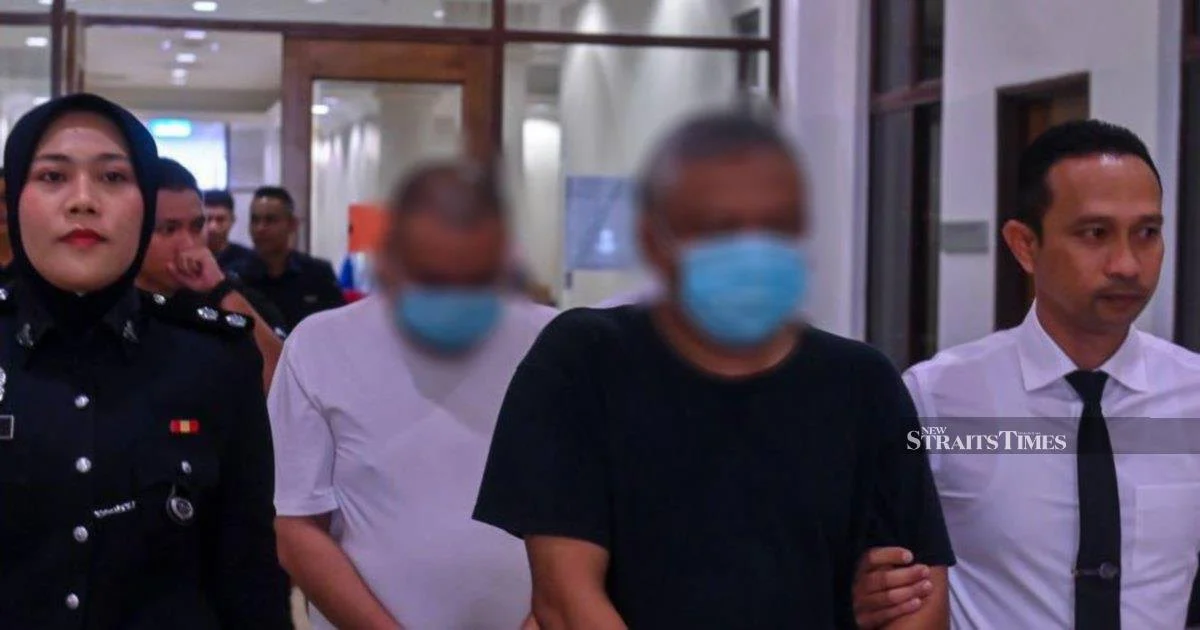
Authorities in Kuantan have arrested a Datuk-titled businessman and his associate in connection with a fraud investigation centring on the use of forged documentation purporting to bear the authority of the Tengku Mahkota of Pahang. The arrests represent a significant development in what investigators are treating as a breach of trust involving the misuse of royal insignia, a matter taken with considerable seriousness under Malaysian law. The businessman's decision to retain a courtesy title whilst allegedly engaging in fraudulent activity raises questions about the intersection between personal reputation and criminal conduct in Malaysia's business sphere.
The forged letter bearing the royal coat of arms represents a particularly egregious form of fraud, as it attempts to leverage the credibility and authority associated with Pahang's royal institution. Such documents carry substantial weight in Malaysian society, where royal patronage and endorsement serve as powerful validation for commercial and administrative purposes. The exploitation of this cultural reality through counterfeiting underscores the sophistication of the alleged scheme, suggesting premeditated effort to deceive parties who might naturally accord greater trust to documentation carrying royal authentication. The investigation into how the falsified correspondence was produced and distributed will likely reveal details about the operational structure underlying the fraud.
The involvement of an assistant in the alleged scheme indicates that the fraudulent operation extended beyond isolated wrongdoing by a single individual. This pattern suggests a coordinated effort whereby the assistant may have played a crucial support role in either producing the forged documents, facilitating their distribution, or assisting with the deception of potential victims. The dual arrests strengthen the prosecution's case by demonstrating systemic involvement rather than impulsive criminal behaviour. For Malaysian authorities, establishing the full extent of the conspiracy becomes essential in determining appropriate charges and understanding whether other individuals or entities might have been complicit.
The Kuantan-based investigation highlights the continued vulnerability of Malaysia's institutional systems to document fraud. Despite widespread awareness of forgery risks, the existence of sophisticated counterfeiting operations suggests that barriers to creating convincing fake documentation remain inadequate. The use of royal insignia specifically targets a symbol that commands particular respect within Malaysian culture, making exploitation of such imagery both more attractive to criminals and more damaging when successfully deployed. This incident will likely prompt review of how royal seals and letterhead are protected against unauthorised replication.
From a business community perspective, this case serves as a cautionary tale about the risks of associating with unvetted commercial partners. Organisations and individuals who encounter such documentation in future transactions may face the dilemma of authenticity verification, particularly when dealing with smaller businesses or new commercial relationships. The reputational damage extends beyond the immediate perpetrators to institutional confidence more broadly, as stakeholders may become increasingly sceptical about the reliability of official-looking communications. This represents a tangible cost to the broader Malaysian business ecosystem.
The Malaysian legal framework provides substantial penalties for document forgery, particularly when royal symbols are involved. Courts have consistently treated such offences seriously, recognising both the practical harms to victims and the symbolic violation of respect due to royal institutions. The sentences available to judges in these cases typically exceed those for standard fraud, reflecting Parliament's determination to deter this specific category of crime. The particular gravity of misusing the Tengku Mahkota's insignia means these arrests likely carry serious prosecutorial implications.
Law enforcement effectiveness in uncovering this scheme depends considerably on victim cooperation. Individuals or organisations who received the forged correspondence and subsequently took actions based on its alleged authenticity must come forward to establish the full scope of the fraud. Pahang's royal administration will presumably cooperate with police by confirming the documents as unauthorised and providing details about protective measures they employ. This inter-agency collaboration becomes essential for building watertight cases against the accused.
The investigation raises broader questions about identity verification and credential authentication in Malaysia's business environment. The perpetrator's possession of a Datuk title—itself potentially earned legitimately or through less transparent means—demonstrates how fraudsters exploit the multiple layers of prestige markers that exist within Malaysian society. Combining a legitimate title with forged royal correspondence multiplied the apparent credibility of whatever scheme was being advanced. This technique of credential stacking reflects sophisticated understanding of how Malaysian audiences evaluate trustworthiness.
For regional business observers, the Kuantan arrests underscore the importance of document verification protocols across ASEAN markets. As cross-border commerce expands and Malaysian businesses increasingly conduct regional transactions, the risk of encountering forged credentials rises proportionally. Organisations operating across Southeast Asia should implement systematic authentication procedures, particularly when dealing with documentation that claims official or royal endorsement. The case demonstrates that such threats are not theoretical but actively pursued by sophisticated operators.
As investigations proceed, authorities will likely examine digital communications, financial transactions, and victim statements to reconstruct the complete chronology of the fraud. The Datuk's background and professional network may reveal whether previous suspicious activities occurred or whether associates remain undetected. Pahang police will coordinate with the royal administration to understand how the falsified documents entered circulation and whether they were used to obtain contracts, loans, or other valuable benefits. These investigative threads will ultimately determine whether additional arrests or charges emerge from the inquiry.

