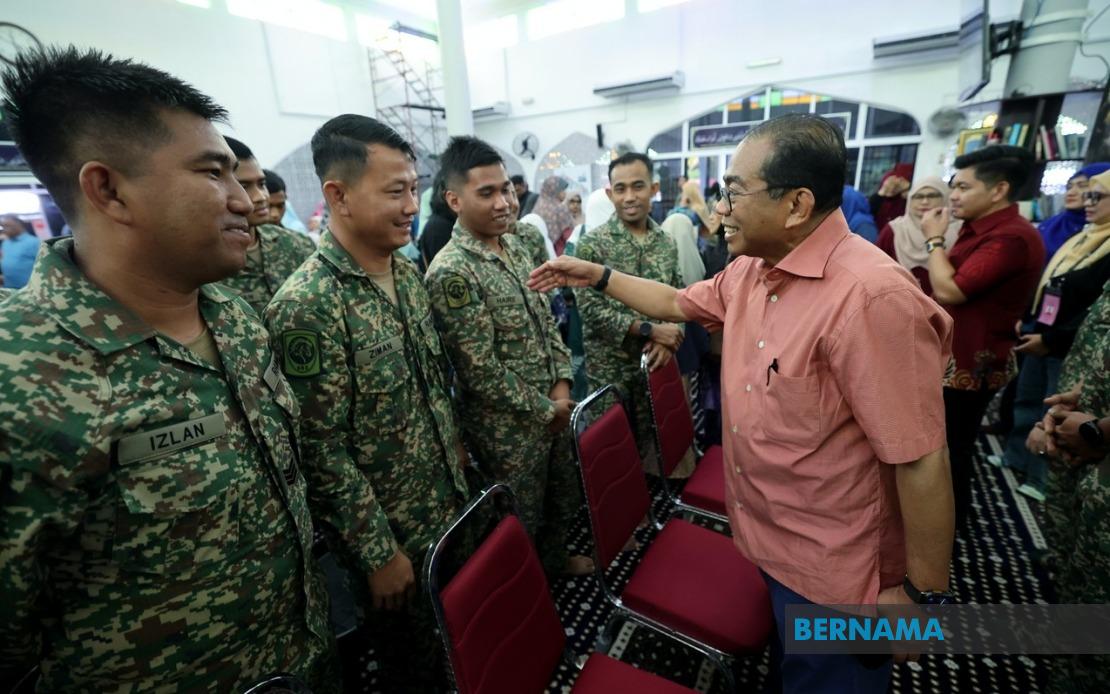
The investigation into a fatal grenade explosion at Hobart Camp in Gurun that claimed the lives of two Malaysian military personnel is nearing completion, with Defence Minister Datuk Seri Mohamed Khaled Nordin confirming that the report will reach the Ministry of Defence by mid-July. Speaking after attending the 'Ilmu dan Muafakat' (PIKAT) programme at Felda Air Tawar 2 in Kota Tinggi on July 5, the Defence Minister indicated that finalisation of the report was underway and would be followed by ministry action on the findings.
The tragic incident occurred on June 16 when a grenade detonated during a routine training exercise at approximately 10.57 am. The two personnel killed were Corporal Norazmi Abu Bakar, attached to the Sixth Battalion, Royal Malay Regiment (RAMD), and Private Siti Khadijah Sungip, serving with the First Squadron, Royal Engineers Regiment (RAJD). Both sustained catastrophic injuries from the blast and were transported to Sultan Abdul Halim Hospital in Sungai Petani, but were pronounced dead en route to the facility. The incident marked a significant tragedy within Malaysia's armed forces and raised serious concerns about safety protocols during military training operations.
What compounds the gravity of the situation is that this was not an isolated occurrence. Just two weeks after the June 16 explosion, Hobart Camp experienced another serious incident on June 29 when a firearm discharged unexpectedly during a combat enhancement training (LPT) exercise at 6.15 pm. This second incident resulted in injuries to two soldiers from the Fourth Battalion, Royal Ranger Regiment (4 RRD)—Sergeant Mohamad Firdaus Che Shaharudin and Corporal Felix Franchis—who both suffered leg injuries after being struck by shrapnel. The proximity of these two incidents within a fortnight has intensified scrutiny of the camp's safety culture and training practices.
The recurrence of serious accidents at the same facility within such a short timeframe has prompted Defence Minister Mohamed Khaled to direct the Malaysian Army to conduct a comprehensive review of its training methodologies. This directive reflects the ministry's acknowledgment that systemic issues may underlie these incidents rather than isolated lapses in procedure. The review will specifically examine whether there are additional shortcomings or vulnerabilities in how training exercises are conducted, supervised, and monitored at military installations like Hobart Camp.
Mohamed Khaled emphasised that no hasty conclusions or corrective measures would be implemented until the formal investigation findings are thoroughly examined. This cautious approach reflects the complexity of determining root causes in military incidents, which often involve multiple contributing factors ranging from equipment defects and maintenance failures to training methodology flaws, supervision gaps, and adherence to safety protocols. The Defence Ministry appears committed to a rigorous, evidence-based examination rather than a reactive response driven by political or public pressure.
For Malaysian readers, these incidents raise important questions about military readiness and the safety standards governing armed forces training. The Malaysian military, like defence establishments across Southeast Asia, operates under considerable operational pressure and budgetary constraints. Training exercises are essential for maintaining combat effectiveness, but they must be balanced against the lives of personnel. The incidents at Hobart Camp suggest that this balance may have been compromised, prompting necessary institutional reflection.
The timing of the Defence Minister's announcement is also noteworthy, as it provides transparency to the public and demonstrates governmental accountability in addressing military matters. This openness contrasts with some regional approaches to defence incidents and may set a precedent for how Malaysian authorities handle sensitive military matters. Public confidence in the armed forces depends partly on the perception that accidents are taken seriously and addressed systematically rather than suppressed or downplayed.
Regionally, Malaysia's response to these incidents may influence how other Southeast Asian nations approach similar training accidents within their own military establishments. The region has seen various military accidents in recent years, and Malaysia's transparent investigative approach could serve as a model for institutional accountability. Furthermore, the Malaysian Army's willingness to review and potentially overhaul training procedures demonstrates a commitment to continuous improvement in military operations.
The investigation report, once submitted and reviewed by the Defence Ministry, will likely contain recommendations that extend beyond Hobart Camp to other military training facilities across Malaysia. Such recommendations might address equipment maintenance standards, safety briefing protocols, exercise supervision procedures, and emergency response mechanisms. The findings could potentially influence defence policy and resource allocation decisions in the coming months and years.
For the families of Corporal Norazmi Abu Bakar and Private Siti Khadijah Sungip, the investigation report may provide some measure of closure and understanding regarding the circumstances that led to their deaths. Similarly, the injured personnel from the June 29 incident will have a vested interest in ensuring that investigations lead to concrete improvements preventing future occurrences. The Defence Ministry's commitment to delivering the report by mid-July indicates a recognition of the urgency and sensitivity surrounding these matters.

