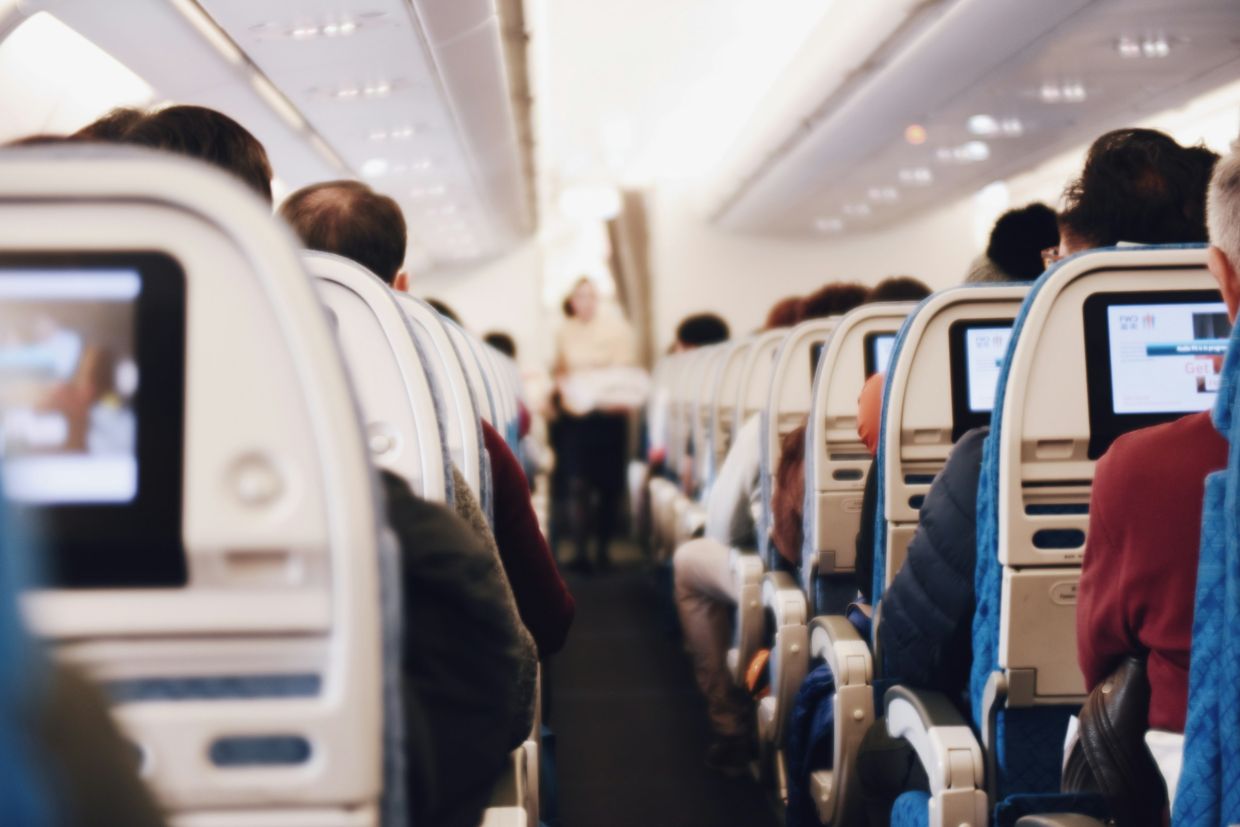
Delta Air Lines has launched a full investigation into an unauthorised WiFi network that activated aboard a Boeing 757 aircraft operating Flight 591 from Las Vegas to Atlanta on Monday, August 10. The incident occurred just hours after the conclusion of Def Con, the world's largest gathering of hackers and cybersecurity professionals, which takes place annually in the Nevada city. Delta spokesperson Morgan Durrant confirmed that the airline is collaborating with federal law enforcement and aviation regulators to determine how the network came to be activated and by whom.
The rogue WiFi connection appeared only briefly, prompting flight crew to power down the aircraft's wireless systems for approximately half an hour as a precautionary measure. However, Durrant emphasised that no Delta computer systems were actually compromised and that the integrity of the flight remained entirely unaffected by the incident. Air traffic control did not declare any emergency, and the aircraft's critical operating systems—those responsible for navigation, altitude control, and other safety functions—were never at risk. The airline's statement stressed that passenger safety was never in jeopardy during the brief disruption.
The Federal Bureau of Investigation is monitoring the situation and has been briefed on reports of the potential WiFi-related incident. Atlanta office spokespeople acknowledged their awareness of the occurrence and confirmed they are coordinating with local and corporate partners in their examination of what transpired. However, federal agents have refrained from disclosing additional specifics about their preliminary findings or investigative approach. The Federal Aviation Administration is also examining the incident in its official capacity, with a spokesperson clarifying that even in the event of a genuine breach of an aircraft's passenger WiFi system, such a compromise would be isolated to that non-critical network and could not affect the aeroplane's essential flight control or navigation systems.
Def Con organisers learned of the incident through public reports rather than direct notification from Delta or law enforcement. Spokesperson Monika Hathaway stated that the conference would conduct its own independent investigation while emphasising the event's commitment to responsible conduct. Hathaway issued a clear statement rejecting any illegal activities: the conference does not endorse such conduct, and should organisers establish that one of their attendees was responsible, that individual would face permanent expulsion from future Def Con events. She also expressed regret regarding the disruption caused to the airline and its passengers.
Cybersecurity experts suggest the incident may be less sinister than initial reports implied. Lennart Koopmann, founder of Nzyme, a firm specialising in defences against wireless attacks, explained that disrupting an aeroplane's WiFi network and replacing it with a counterfeit one is a relatively straightforward technical feat. Such a manoeuvre would allow the perpetrator to intercept unencrypted data travelling across the network—including passwords, emails, and other sensitive information transmitted by unsuspecting passengers. The attack requires two steps and can be executed using compact, battery-powered devices smaller than a cigarette box that retail for approximately $250 (RM1,022).
These small wireless attack devices are widely available commercially and are commonly purchased by professional security researchers and penetration testers for legitimate vulnerability assessment work. Koopmann speculated that the incident may simply represent a curious traveller—possibly an attendee of Def Con—who purchased such a device and decided to experiment with it aboard the aircraft. This scenario would represent troubling behaviour despite not constituting a genuine threat to aircraft safety, as it would still constitute an unauthorised intrusion into airline systems and could potentially violate federal aviation laws. The ease with which such devices can be deployed and the relatively low financial barrier to entry explain why security researchers regard WiFi-based attacks as a persistent concern in aviation environments.
The timing of this occurrence raises questions about whether Def Con's proximity to the incident is purely coincidental or whether the conference atmosphere may have encouraged someone to attempt an experiment they otherwise would not have pursued. While the conference explicitly prohibits illegal activity and maintains strict ethical guidelines, the concentrated presence of thousands of cybersecurity professionals, ethical hackers, and security enthusiasts in Las Vegas may have created an environment where boundaries were tested. However, this remains speculative without evidence of direct connection between Def Con attendees and the WiFi incident.
For Malaysian and Southeast Asian travellers, this incident underscores the reality that passenger WiFi systems on commercial aircraft remain potential security vulnerabilities, despite being isolated from critical flight systems. Frequent flyers using these networks to access banking apps, email, or corporate systems should be aware that unencrypted connections pose risks. Many airlines throughout the region are gradually implementing encrypted WiFi and moving toward more secure standards, but older fleets may still carry less protected systems. The Delta incident serves as a timely reminder that airport and aircraft environments, particularly those connected to major international events, warrant heightened awareness regarding cybersecurity.
The investigation's outcome may establish important precedents for how airlines handle suspected wireless intrusions and how regulatory bodies like the FAA respond to such incidents. If evidence emerges identifying the responsible party, the legal consequences could be significant, as deliberately interfering with aircraft systems violates multiple federal statutes. Beyond regulatory implications, this incident reflects broader tensions within the cybersecurity community regarding the line between legitimate research, ethical grey areas, and outright illegal conduct—a conversation that will undoubtedly continue among security professionals globally.

